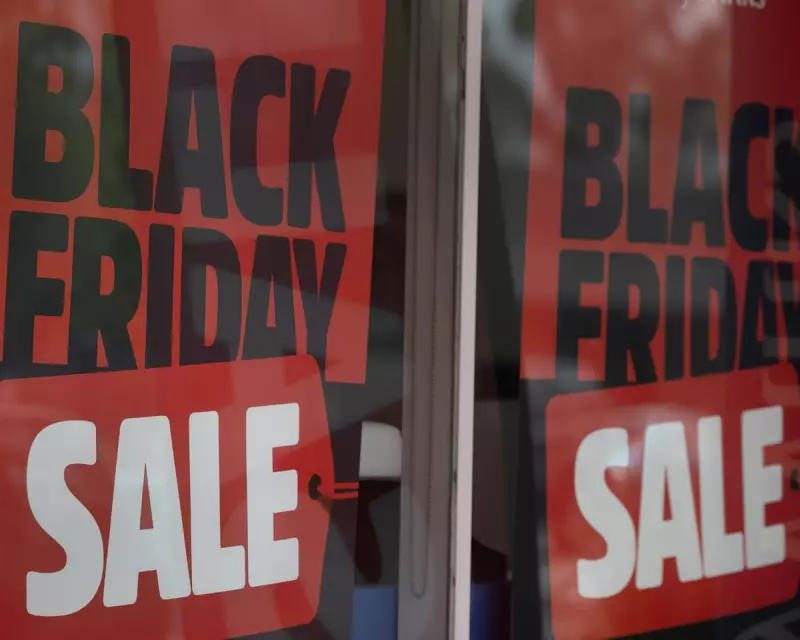
As Black Friday approaches, cybersecurity experts are issuing stark warnings to UK shoppers, with one specialist dubbing the annual discount event 'Black Fraud Day' due to a dramatic proliferation of sophisticated scams.
The Rise of 'Black Fraud Day'
This year, Black Friday falls on 28 November, but the National Cyber Security Centre (NCSC) cautions that fraudulent activity begins weeks in advance. Cybersecurity firm Darktrace has documented a sharp rise in malicious emails mentioning Black Friday throughout October, with a significant peak occurring on the last day of the month.
Jonathon Ellison, the NCSC's director for national resilience, states: "This is a time when cyber criminals seek to exploit our increased spending, using trusted brands, popular products, and current events to deceive people into clicking malicious links or sharing personal and financial information."

How AI is Supercharging Scams
The threat landscape has evolved significantly with the increased availability of artificial intelligence. Criminals can now use AI tools to create authentic-looking websites that perfectly mimic famous high-street brands, making it incredibly difficult for consumers to distinguish real sites from fakes.
Adrian Ludwig of Tools for Humanity explains the alarming new trend: "With AI, fraudsters can now create entire deceptive small-business identities, complete with faces, stories and photo-perfect shops in just minutes."
How to Spot and Avoid the Scams
Consumer group Which? advises shoppers to be immediately suspicious of unrealistically low prices that are inconsistent with other retailers. The fraudulent offers typically arrive via email or social media accounts created recently.
When you click through, the scam website might appear legitimate but often lacks essential pages like:
- A privacy policy
- A physical postage address
- An 'about us' section
Nathaniel Jones of Darktrace highlights another common trick: "Scammers will turn John Lewis into J0hn Lewis (with a zero) to trick rushed consumers." These sites create urgency by claiming limited stock or short timeframes.
The most critical red flag is the payment method. Instead of standard credit or debit card processing, scammers will request a bank transfer, which is preferred by organised crime gangs, or sometimes cryptocurrency.
What to Do If You Suspect a Scam
The NCSC provides clear guidance for reporting suspicious communications. Forward any dubious emails to the Suspicious Email Reporting Service, and send suspicious text messages to 7726.
If you become a victim of fraud and lose money, contact Action Fraud, the UK's national reporting centre. For protection, try to use a credit card for payments where possible, as many UK purchases are protected under the Consumer Credit Act 1974.
The overarching advice from experts is simple: be alert. If anything seems even remotely suspicious about a sale, stop and think before proceeding with any transaction.