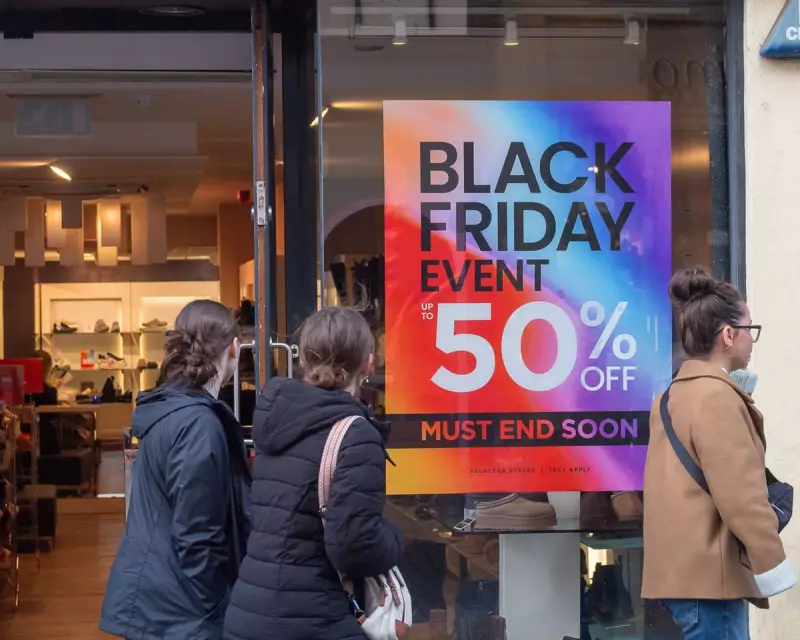
New data reveals a stark picture of consumer caution as footfall across UK shopping destinations dropped significantly over the Black Friday weekend, amplifying concerns about the strength of the economic recovery.
High Streets See Sharp Decline in Visitors
According to monitoring firm MRI Software, visitor numbers to all UK retail destinations were down 2% on Friday itself compared to the previous week, and fell a substantial 7.2% compared to the equivalent Black Friday period in 2023. The report noted that locations near central London offices were among the very few to see an increase, suggesting a shift in shopping patterns away from traditional high streets.
Jenni Matthews from MRI Software stated, "The cost of living squeeze appears to be weighing on overall activity." While most Black Friday sales now occur online, performance in that sector was inconsistent in the days leading up to the weekend. The online retail association IMRG reported sales were down heavily on Thursday but saw an uptick on Tuesday.
KPMG Warns of Subdued Growth Ahead
This lacklustre retail data coincides with a sobering economic forecast from consultancy KPMG. The firm highlighted soft consumer spending as a key factor likely to hold back the UK economy over the next twelve months.
KPMG's chief economist, Yael Selfin, explained, "The outlook for growth in 2026 is subdued, reflecting the impact of a cooling labour market and weak household spending." She pointed to a predicted unemployment rise to 5.2% and suggested that even though most of the £26bn tax-raising impact from Chancellor Rachel Reeves's budget would not be felt immediately, cash-strapped households would remain cautious. KPMG forecasts GDP growth of just 1% for 2026, rising to 1.4% in 2027.
Business Confidence Hits Near-Record Lows
The gloomy sentiment extends beyond the high street. Two separate business surveys published on Monday underscored a deeply pessimistic mood among UK business leaders.
The Confederation of British Industry's (CBI) services sector survey, conducted before the budget, recorded the fastest decline in general business optimism in three years. Companies cited rising costs and uncertainty about future demand. Charlotte Dendy of the CBI said, "Looking ahead, businesses expect little near-term relief, with uncertainty about demand and persistent cost pressures set to constrain future hiring and investment plans."
Separately, the Institute of Directors (IoD) reported its economic confidence index among business leaders stood at a near record low of -73 in the run-up to the budget, improving only marginally to -72 afterwards. IoD chief economist Anna Leach noted that pre-budget speculation over tax rises kept confidence subdued, and a snap poll showing 80% of leaders viewed the budget negatively explained the ongoing gloom.
Hospitality Sector Warns of 'Extinction Event'
Further compounding the economic concerns, hospitality businesses have warned they face severe pressure from upcoming business rates changes. They argue that government measures announced to soften the blow as Covid-era support ends are insufficient to offset rises linked to increased property rateable values.
Under the complex system, many pubs face a significant jump in their rateable value next year, a key component of their business rates bill. This contrasts with many retailers whose values will fall due to poorer high street trade.
Paul Crossman, Chair of the Campaign for Pubs, said many members would see their bills increase "vastly more" once support finishes next April. Alex Reilley, head of the Loungers chain, warned that for the pub sector, the changes "could quite easily be an extinction event." While the government has promised transitional relief, analysts believe this may only delay the financial pain.
The collective data paints a clear picture of an economy facing significant headwinds, with cautious consumers, worried business leaders, and struggling sectors pointing to a challenging road ahead for UK growth.