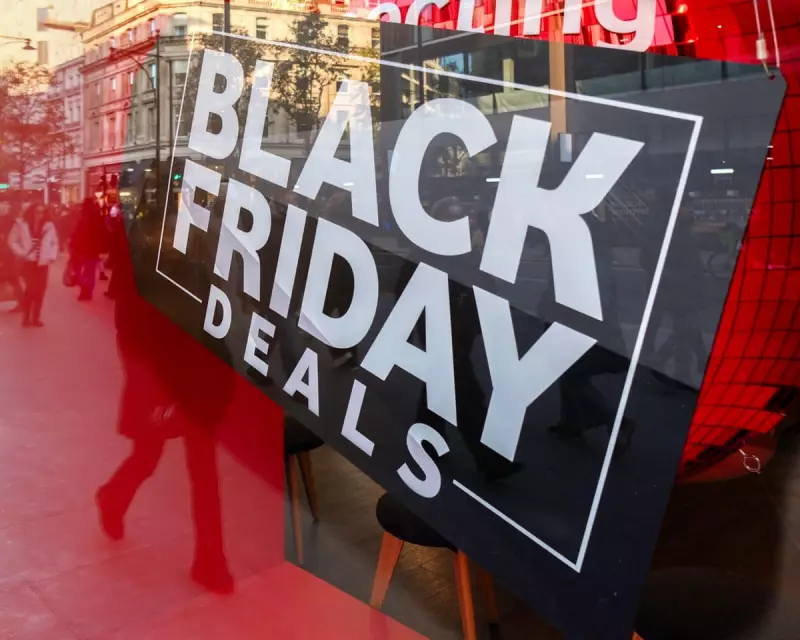
Intense competition among retailers offering early Black Friday promotions led to a significant slowdown in shop price inflation across the UK last month, according to new industry data.
Discounting Drives Down Inflation
The British Retail Consortium (BRC) reported that shop prices increased by just 0.6% in November compared with the same month last year. This marks a notable deceleration from the 1% rise recorded in October and falls below the three-month average rate of 1%.
Helen Dickinson, chief executive of the BRC, stated that the competitive frenzy reached a "fever pitch" this year, prompting retailers to launch their Black Friday sales campaigns earlier than usual in a bid to attract cautious shoppers. The discounting was most aggressive in the electricals, fashion, and health and beauty sectors.
Consumer Caution and Economic Headwinds
The heavy discounting comes against a backdrop of strained household finances and weakening consumer confidence. Recent surveys indicate that pessimism about personal spending, the jobs market, and the broader UK economic outlook grew in November.
This caution was reflected in official data, which showed UK retail sales fell by 1.1% in October, a sharper drop than anticipated and the first decline since May. Retailers are now pinning their hopes on a rebound in consumer sentiment during the crucial Christmas trading period, following the recent budget announcement.
"Retailers will continue doing everything they can to keep prices down and help customers’ money go further this Christmas," Dickinson added.
Food Prices and the Inflation Outlook
In a positive development for shoppers, the BRC reported that food prices fell by 0.3% month-on-month in November, following a 0.4% drop in October. However, on an annual basis, food bills remain a significant pressure point, with prices still 3% higher than a year ago.
Certain categories, like oils and fats, and meat and fish, continue to see stubbornly high inflation as rising production costs are passed through the supply chain. Mike Watkins of NIQ warned that retailers must keep any price increases minimal in the run-up to Christmas to encourage spending.
The timely BRC figures, which cover the first week of November, provide a more current snapshot than official inflation data and will fuel optimism for an interest rate cut. The Consumer Prices Index (CPI) inflation rate fell to 3.6% in October, increasing market speculation that the Bank of England could lower rates from 4% at its next meeting.