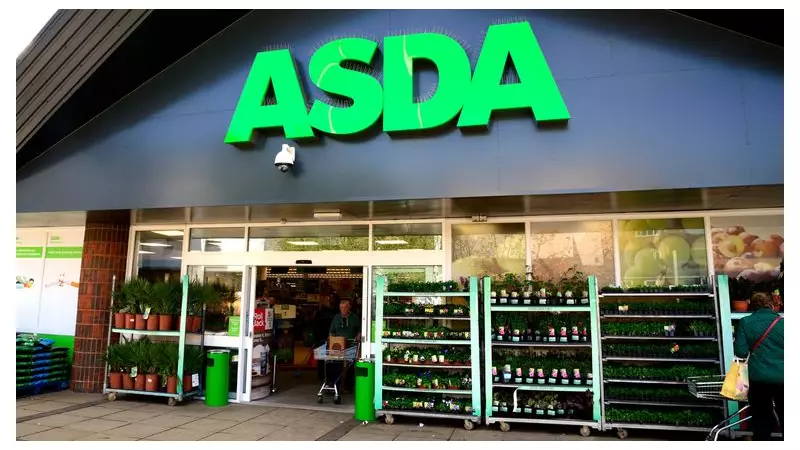
Supermarket giant Asda has confirmed the sale of 24 of its stores and a key distribution depot, only to immediately rent them back, in a major financial manoeuvre aimed at tackling its multi-billion-pound debt.
A Strategic Move to Unlock Capital
The transactions, which have raised a total of £568 million, involve two separate buyers. Four stores – located in Small Heath, Birmingham; Colindale, London; Coventry Abbey Park; and Killingbeck, Leeds – have been purchased by real estate manager DTZ Investors. The remaining twenty stores and the Lutterworth depot have been acquired by private credit group Blue Owl Capital.
Asda has assured that there will be no operational changes for customers or staff, as the company has secured long-term leaseback agreements for 25 years, with an option to extend for a further decade. An Asda spokesperson stated the strategy allows the chain to "realise value from the sites while retaining full operational control."
Union Backlash and Staff Morale
The move has been heavily criticised by the GMB union, which represents many Asda workers. The union's national officer, Nadine Houghton, lambasted the sale as "asset stripping" and voiced serious concerns about its impact on employees.
"Debt is up, lease liabilities are up, interest payments are up - but market share and staff morale are rock bottom," Houghton said. She added that GMB members report "declining health and safety standards and increased stress levels" directly linked to such financial strategies.
The Debt Burden and Private Equity Ownership
Asda's financial challenges are significant. Its latest full-year accounts show the supermarket had a net debt of £3.8 billion at the end of 2024, unchanged from the end of 2023. The chain was acquired from Walmart in 2020 in a £6.8 billion deal led by the billionaire Issa brothers and backed by TDR Capital.
This ownership structure has previously drawn political scrutiny. MPs on the Business and Trade Select Committee questioned the company's complex corporate framework in 2023, noting there are 16 different entities between the ultimate owners and the operating company, many registered offshore.
This is not an isolated case in the sector; rival Morrisons, also owned by private equity, conducted a similar £370 million property deal last year to reduce its own debt.