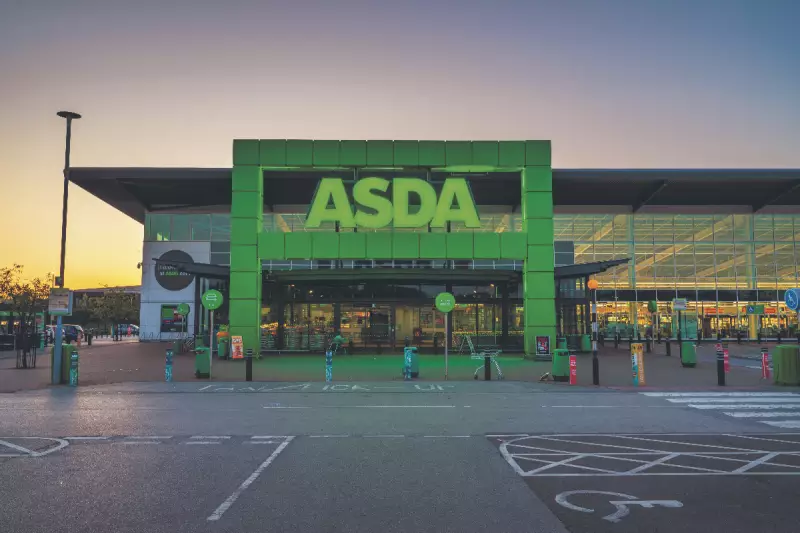
Supermarket giant Asda has taken decisive action to strengthen its financial position, raising close to £600 million through the sale of several key properties.
Major Property Deals Finalised
The retailer confirmed two significant sale-and-leaseback agreements totalling £568 million. The larger transaction, worth £467 million, involves 20 stores and a distribution depot in Lutterworth, Leicestershire. This deal was struck with New York-based asset manager Blue Owl and London-listed Supermarket Income REIT.
A separate agreement saw Asda offload four supermarkets in Birmingham, Greater London, Coventry, and Leeds to investment managers DTZ for £101 million.
Addressing the Walmart Debt Burden
The capital raised is earmarked for repaying a substantial debt obligation to previous owner Walmart. This liability stems from Asda's £6.8 billion leveraged buyout in 2021 by TDR Capital and the Issa brothers, which left the supermarket chain with significant financial pressure.
Walmart retained a 10 per cent stake following the acquisition, with Asda owing payment-in-kind interest that compounds and adds to the principal amount. Reports indicate this debt could reach £900 million by its 2028 maturity.
Asda moved to settle this obligation ahead of schedule as interest rates are set to increase approaching the payment date next year.
Strategic Restructuring and Market Position
These transactions leave Asda owning or holding long leases on approximately 60 per cent of its store estate, bringing its property profile in line with major competitors Tesco and Sainsbury's.
The supermarket has faced numerous challenges since its ownership change, including leadership instability, IT system issues, and declining market share. Former chairman Allan Leighton returned earlier this year to help steer the business recovery.
Despite Leighton's talk of building a 'war chest' for price competition, Asda's market position has continued to weaken, falling behind both Tesco and Sainsbury's while facing increased pressure from discount rivals Aldi and Lidl.