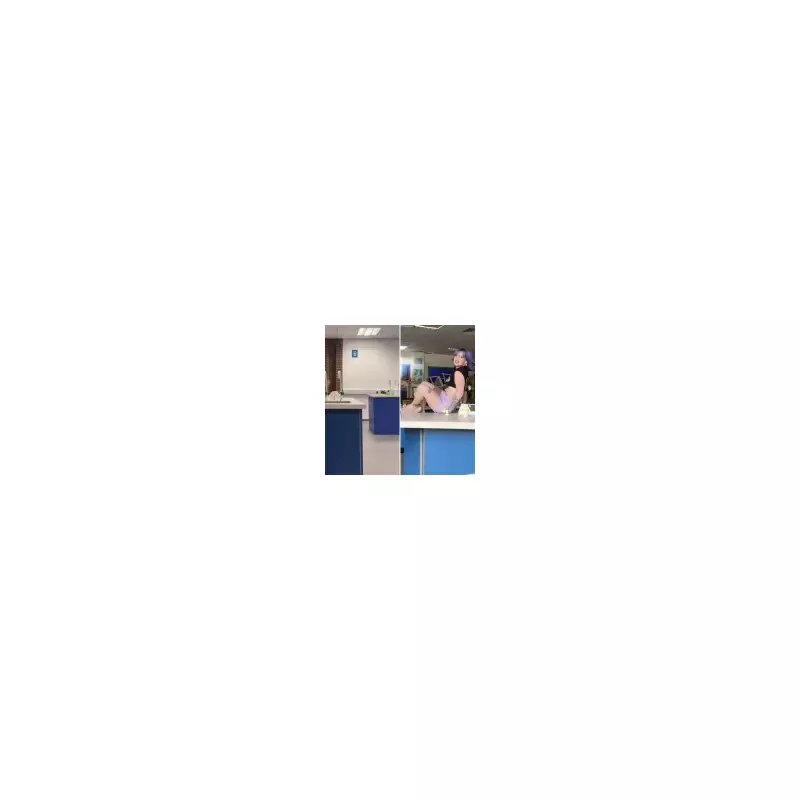
A young content creator has captivated social media by pulling back the curtain on her highly unconventional home: a converted classroom in an abandoned school.
Zayla Ren, a TikToker and singer, has documented her experience of transforming the vast, empty space into a functional living area, sparking widespread fascination and debate about creative housing solutions. Her videos, which have amassed hundreds of thousands of views, offer a raw look at a lifestyle made possible through property guardianship.
The Spooky School Sanctuary
In a series of viral posts, Ren showcases how she has ingeniously divided the former classroom into distinct zones, including a bedroom, living room, kitchen, bathroom, and a makeshift dressing room. This innovative setup provides her with an affordable and remarkably spacious home.

However, the reality of living in a deserted educational institution comes with a distinctly eerie side. 'The energy at night, it completely changes…it's the creepiest thing in the world,' Ren revealed. 'It turns into a horror movie.'
Beyond the spooky atmosphere, she faces practical challenges. The immense room is difficult to heat in winter, the high windows are annoyingly hard to reach, and she described the pervasive fluorescent lighting as 'horrendous'.
What is Property Guardianship?
Ren's living situation is facilitated by a property guardianship scheme. This system allows people to live in vacant buildings—from old schools and offices to factories—at a significantly reduced rent. In exchange, they act as live-in custodians, protecting the property from squatters, vandalism, and disrepair.
This model offers flexibility for both property owners and occupants. Guardians benefit from lower living costs and the chance to reside in unique, often central locations. Landlords, meanwhile, gain security and save on upkeep expenses. Occupants are typically on rolling monthly licence agreements, offering less permanence than a standard tenancy.
Experts, including the housing charity Shelter England, caution that this arrangement comes with significant trade-offs. Property guardians have fewer legal protections than traditional tenants and face a much higher risk of sudden eviction with little notice.
Ren herself confirmed this, explaining in a comment, 'it's good for people with flexible schedules, we just always have to have in the back of our mind that there's a chance we won't live here [any longer].' Furthermore, these buildings are not designed for residential use and can lack basic comforts and amenities.
The Upside of an Unconventional Home
Despite the drawbacks, Ren is enthusiastic about the perks. For a singer, one advantage stands out: the acoustics. She described the sound quality in her cavernous home as 'chef's kiss', perfect for her musical pursuits.
Her story has resonated deeply online, with commenters expressing both admiration for her creativity and envy for her unique living situation. One user wrote, 'Honestly I'd love to live there,' while another mused about the potential for parties.
Zayla Ren's experience provides a compelling, real-life case study into the complex balance of affordability, security, and comfort within the UK's property guardianship system. As the national housing affordability crisis continues, such alternative models are likely to attract even more interest from those seeking cheaper rent.