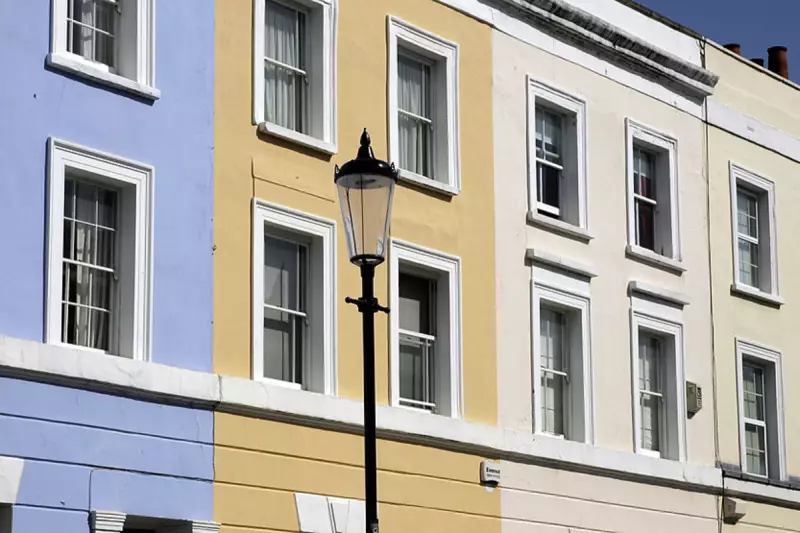
Chancellor Rachel Reeves has confirmed the introduction of a new 'mansion tax' for England, targeting high-value residential properties in a move designed to tackle wealth inequality.
What the New Property Tax Involves
The policy, officially termed a high-value council tax surcharge, will be levied on homes valued at over £2 million. The charge is set to begin in 2028, giving officials time to value the properties that fall within the new bracket.
The annual surcharge will be tiered based on property value. Homes worth between £2 million and £2.5 million will face a £2,500 charge. For the most expensive properties, those valued at £5 million or more, the annual surcharge will rise to £7,500.

The Office for Budget Responsibility (OBR) has confirmed that the charge will increase in line with inflation every year. According to a leaked OBR document, the Treasury expects the policy to raise an estimated £400 million in the 2029-30 financial year, with revenues going to central government rather than local authorities.
The Chancellor's Justification
Announcing the measure in the House of Commons, Rachel Reeves stated it was intended to correct a longstanding source of wealth inequality in the UK's property tax system.
She provided a stark comparison to illustrate her point: Currently, a Band D home in Darlington or Blackpool pays just under £2,400 in council tax, nearly £300 more than a £10m mansion in Mayfair.
The surcharge will be collected alongside council tax and levied directly on the property owners. The government has also stated it will consult on options for support or deferral schemes for those who might struggle with the upfront cost.
Property Industry Warns of Pitfalls
The decision comes despite significant warnings from property experts who fear the policy is fraught with practical challenges.
Simon Bashorun, Head of Advice at Rathbones Private Office, highlighted the risk of valuation disputes. Valuations will inevitably be contested, and annual assessments for unique, high-value homes are costly and prone to disputes, he said. He also warned of a potential surge in appeals that could overwhelm government resources, making the system inefficient.
Economically, Bashorun suggested the tax could create price cliffs near the threshold, discouraging transactions and renovations, which might ultimately stifle housing development and reduce overall property tax revenues.
Tom Bill, Head of Residential Research at Knight Frank, cast doubt on the projected revenue. He pointed out that if opposition parties pledge to scrap the tax, many homeowners may simply wait it out based on opinion polls.
Bill also noted that when the costs of valuation and potential lost stamp duty revenue from a slower market are factored in, the sums raised could look like a rounding error for the Treasury.
He added a long-term perspective, stating that over time, more typical properties like terraced houses, flats, and semi-detached homes would be dragged into the net, particularly in London, making the term mansion tax feel increasingly like a misnomer.