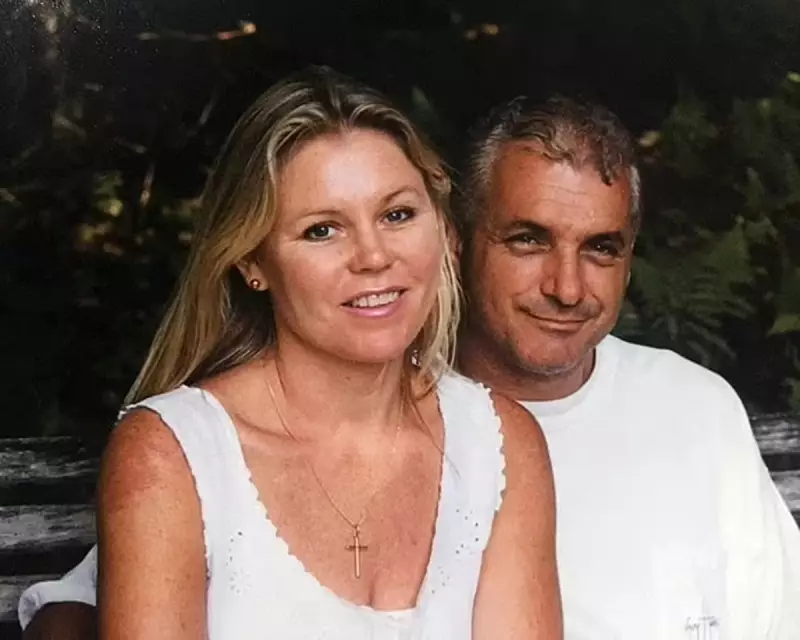
Seventeen Years Behind Bars: The Ryan Cornelius Case
Seventy-one-year-old British businessman Ryan Cornelius faces the prospect of dying in a Dubai prison after his sentence was extended to 30 years following a dispute with Dubai Islamic Bank. Cornelius, who was originally detained in 2008, will be 84 years old when due for release in 2038 if current arrangements stand.
The Bank Dispute That Led to Imprisonment
According to family accounts, Cornelius was arrested while transiting through Dubai in May 2008 during a journey from Karachi, Pakistan, to his Bahrain home. The detention came apparently at Dubai Islamic Bank's request despite claims from his brother-in-law Chris Pagett that Cornelius and his business partners were actually $10 million ahead of their agreed repayment schedule at the time.
The initial conviction in 2011 saw Cornelius and three other expatriates found guilty of defrauding the bank over a business loan. The court ordered him to repay $432 million and handed down a 10-year sentence. However, in a controversial 2018 development, his sentence was extended by an additional 20 years following a closed-doors hearing.

Asset Seizure and Family Impact
The financial consequences have been devastating for Cornelius and his family. Dubai Islamic Bank has seized all his assets, including a property development called the Plantation land (now renamed the Acres). Based on advertised villa prices, the developed land would be worth more than $3 billion - more than double the amount of his outstanding restructured loan.
His wife Heather has been left effectively homeless, and the family maintains they have no means of raising the enormous sums required to secure his release. The bank utilised a law that extends prison sentences for convicts who fail to return proceeds of fraud, creating what critics describe as an impossible situation.
International Response and UN Involvement
The case has attracted significant political attention in the UK, with 146 British parliamentarians signing a letter urging Dubai to show clemency. The cross-party delegation includes former Conservative leader Iain Duncan Smith and Liberal Democrat peer Tim Clement-Jones.
In a significant development, the United Nations Working Group on Arbitrary Detention determined in 2022 that Cornelius was being arbitrarily detained. The UN body noted concerning information about the 2018 sentence extension, which was decided by a judge at a closed-doors, one-day hearing that bore little resemblance to an ordinary trial.
Labour MP Tim Roca, who recently met with UAE deputy ambassador Khalid Saud Al Qasimi, emphasised the broader context: "There is an incredibly important relationship between the UAE and the UK. This is a respectful cross-party request for the Emir to exercise his prerogative and grant a pardon."
Bank Profits and Political Connections
Dubai Islamic Bank, which describes itself as a champion of morality, equality and transparency in Islamic banking, is projected to make over $2 billion in profit this year. The bank's chairman, Mohammed Al Shaibani, also serves as director general of the Dubai Ruler's Court, though there is no suggestion he has used his position to influence judicial proceedings.
The bank maintains that the sentences are the responsibility of an independent judicial system and that it merely followed legal procedures to recover the outstanding loan.
Hope for December Pardon
British parliamentarians are hoping that the UAE's national day on 2 December - traditionally a occasion when UAE leaders issue pardons - might provide an opportunity for Cornelius's release. However, similar appeals in previous years have yielded no response from UAE authorities.
Pagett expressed cautious optimism: "The clemency appeal may at least prompt the Ruler of Dubai to reassess whether whatever he believes he gains by persisting in this display of implacable cruelty is worth the long-term reputational damage."
As the diplomatic efforts continue, Cornelius remains imprisoned, having already served 17 years of a sentence that his family and international observers describe as profoundly unjust.