In a remarkable urban transformation story, the West London neighbourhood once infamously dubbed 'Cut Throat Lane' now boasts some of the capital's most expensive residential properties, with average house prices approaching £2 million according to recent market data.
From Cinematic Romance to Victorian Deprivation
The 1999 blockbuster Notting Hill presented a romanticised vision of W11, charming global audiences with its depiction of Portobello Market, quirky characters, and London life. Yet this cinematic portrayal contrasts sharply with the area's historical reality. Today's distinctive blend of cutting-edge culture and eye-watering property values represents a dramatic evolution from a much darker past.
A Plague Spot in Victorian London
Charles Dickens once described a particular street in Notting Hill as "a plague spot scarcely equalled for its insalubrity by any other in London." So overwhelmed with dreadful conditions and deprivation were residents that they nicknamed it "Cut Throat Lane" - a reference to Pottery Lane, located between present-day Notting Hill and Holland Park.

During the Victorian era, as pig farmers relocated westward due to London's industrial growth, they found themselves crammed into confined quarters alongside established brick makers. Families were often forced to cohabit with animals, and the already impoverished neighbourhood quickly descended into squalor, plagued by polluted water sources and appalling sanitary conditions.
The Notorious 'Ocean' and Hazardous Pathways
One local resident captured the evening environment, recalling: "We didn't ourselves venture out after it was dark; if we hadn't got in all we wanted before night, why we just went without it." What they sarcastically termed 'roads' were simply crude pathways that made navigation hazardous after sunset.
Perhaps the most repulsive episode in this district's history revolved around what residents dubbed "the Ocean" - a series of massive pits remaining from clay extraction that inevitably became filled with a nauseating concoction of sewage, human excrement, and pig waste. These cavities could be as deep and as wide as a small child, creating unimaginable living conditions.
The Transformation Begins
James Weller Ladbroke, a wealthy landowner, began transforming his inherited estate into a desirable residential district for London's growing middle classes during the mid-Victorian era. While success wasn't immediate, his vision laid the groundwork for what would become one of London's most sought-after neighbourhoods.
The area's cultural significance was further cemented by Trinidadian journalist and campaigner Claudia Jones, who created the Notting Hill Carnival as a symbol of unity and celebration following the race riots of the 1950s. This annual event continues to celebrate the area's diverse heritage while attracting visitors from around the world.
Modern Luxury and Global Appeal
Today, Ladbroke's legacy is undeniable. Properties in the area now fetch seven-figure sums, drawing new residents and international buyers to what has become one of London's most prestigious addresses. According to Rightmove data, the average house price in the neighbourhood approaches £2 million, reflecting both the area's desirability and its remarkable journey from slum to luxury enclave.
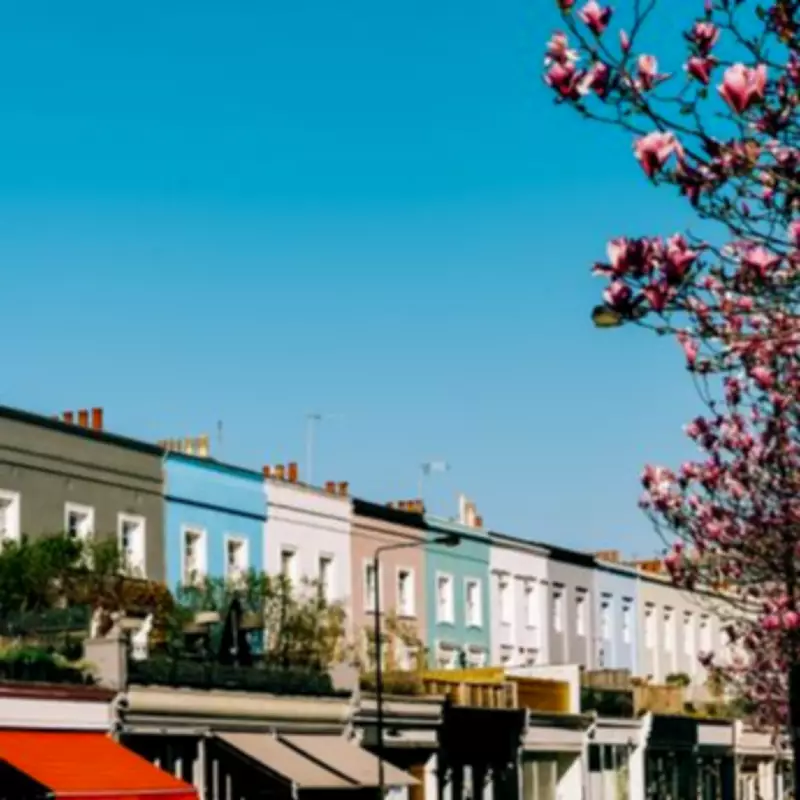
The neighbourhood maintains its distinctive character through a blend of cutting-edge culture, historical significance, and architectural beauty. From the colourful houses that line its streets to the bustling Portobello Market and annual Carnival celebrations, Notting Hill represents a compelling case study in urban regeneration and property market evolution.
This transformation from Dickensian "plague spot" to multi-million-pound property hotspot demonstrates how London's neighbourhoods can evolve dramatically over time, while retaining their cultural significance and unique character.