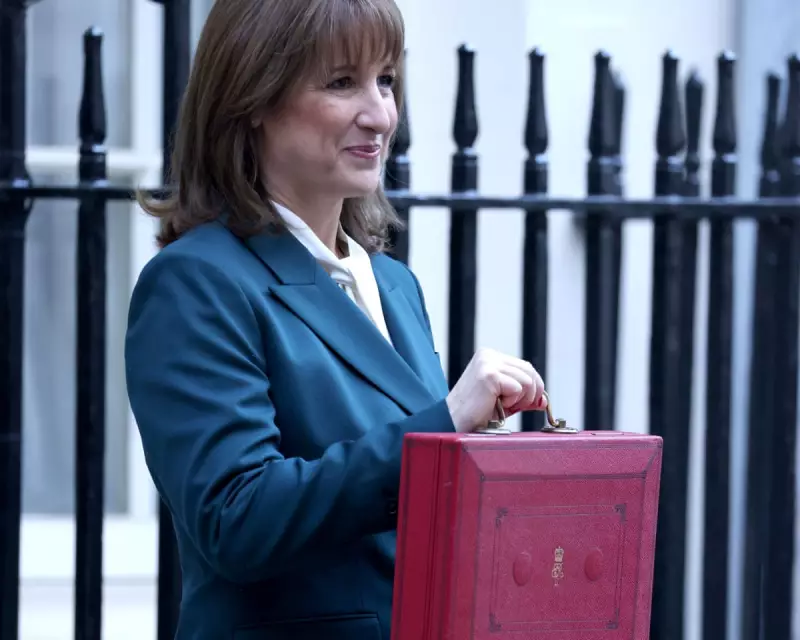
The UK government has unveiled plans for a new mansion tax that could significantly impact homeowners with properties valued at more than £2 million. This proposed property tax reform, set to be implemented in 2025, represents one of the most substantial changes to property taxation in recent years.
Understanding the Proposed Mansion Tax
Under the new proposals, properties valued above the £2 million threshold would be subject to additional taxation. The government intends to introduce a graduated tax system where the rate increases with the property's value. This means that while all properties over £2 million would be affected, those at the very top of the market would face substantially higher charges.
The Treasury estimates that approximately 70,000 properties across England would fall into this new tax bracket. However, experts suggest the actual number could be higher given recent property price increases in certain regions. The valuation process will be crucial in determining which homeowners are liable for the new charges.

Implementation Timeline and Valuation Process
The government has outlined a clear timeline for the mansion tax implementation. The legislation is expected to be introduced in spring 2025, with the first payments due in the 2026-27 tax year. Property valuations will be conducted using a combination of recent sale prices and automated valuation models where recent transaction data isn't available.
Homeowners who disagree with their property's valuation will have the right to appeal through an independent process. The government has emphasised that multiple safeguards will be put in place to ensure valuations are fair and accurate. Properties that have significantly increased in value but haven't been recently sold will receive particular attention during the valuation process.
Potential Impact and Government Consultation
The proposed mansion tax has generated significant debate among property experts, homeowners, and political commentators. Supporters argue it represents a fair way to tax wealth and could generate substantial revenue for public services. Critics, however, warn that it could disproportionately affect homeowners in London and the South East where property values are highest.
The government has launched a formal consultation process, inviting homeowners, experts, and stakeholders to share their views on the proposals. This consultation will remain open for eight weeks, allowing sufficient time for detailed responses. The final design of the tax is expected to reflect feedback received during this period.
Homeowners concerned about how the mansion tax might affect them are encouraged to participate in the consultation process. The government has committed to considering all responses before finalising the legislation, which could see significant amendments based on the feedback received.