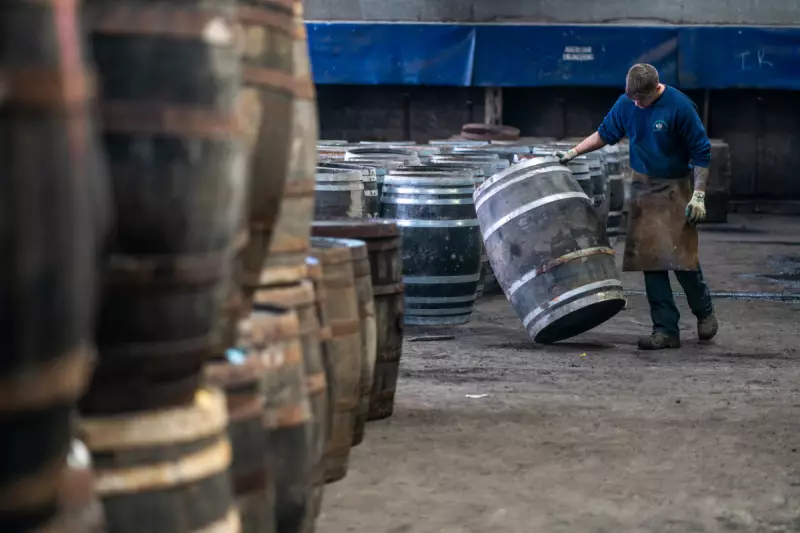
Transforming a cask of maturing whisky into a significant financial return is a long-term strategy that demands careful planning and expert guidance. The market, while lucrative, can often appear opaque to newcomers, making it essential to find a transparent and experienced partner.
The Foundations of a Sound Whisky Investment
Thomas White, Chief Operating Officer of Tomoka Fine and Rare, London's oldest whisky investment firm, emphasises the necessity of a long-term view. He advises that any potential investor should first consult an expert to determine if this alternative asset class aligns with their financial goals, highlighting that a five to ten-year investment mindset is required.
A crucial element for success, according to White, is collaborating with a company that possesses a proven track record, as this helps navigate the market's inherent lack of transparency. Tomoka Fine and Rare aims to provide a comprehensive 360 service, which includes client onboarding, continuous support, regular market updates, and, most critically, a robust exit strategy.

The company prides itself on its sourcing capabilities. We focus very, very hard on sourcing the right whisky and at the right price, White stated. Their team of analysts conducts thorough evaluations, assessing everything from the quality of the spirit itself to the characteristics of the oak cask it will mature in.
Guaranteeing Authenticity and Value
By leveraging economies of scale, Tomoka can secure the best possible price for each batch for its clients. Authenticity is guaranteed by working exclusively with heavily vetted and trusted stocks and suppliers. Once a cask is delivered to an HMRC bonded warehouse, the investor receives a legally binding Delivery Order. This document guarantees authenticity and provenance, Mr. White confirmed. Clients are even afforded the opportunity to visit their casks in their respective warehouses.
The valuation process is multi-faceted. The team first considers the distillery's brand, with iconic names like Macallan, Springbank, and Dalmore naturally commanding a premium. The age of the spirit is another significant factor, as is the type of wood used for maturation. While most whisky is aged in ex-Bourbon barrels, a sherry or foreign red wine cask can have a huge impact on the liquid in terms of colour, taste, and, of course, value.
Global Demand and Exit Strategies
Finally, White pointed to the fundamental driver of any market: supply and demand. He noted a huge global demand for Scotch whisky, specifically highlighting the recent free trade agreement with India, the world's biggest consumer of whisky. This deal slashes India's previous 150 per cent import tariff down to 75 per cent initially, with a further reduction to 40 per cent over the next ten years. It's just opened its doors to all with the biggest market on the planet, White said.
Investors must remain diligent to avoid potential scams by rigorously checking a company's proven track record and transparency. To protect its clients against unforeseen losses, Tomoka offers a premium insurance policy that covers the asset not at the purchase price, but at its current market value.
When it is time to sell, White stresses that an investment is only as good as its exit strategy. Tomoka focuses on providing that essential liquidity by cultivating relationships with hundreds of independent bottlers. Alternatively, another investor within Tomoka's network may be interested in purchasing the cask, allowing the client to realise their return efficiently.
For those interested in exploring this unique investment avenue, getting in touch with a specialist firm like Tomoka Fine and Rare is the recommended first step.