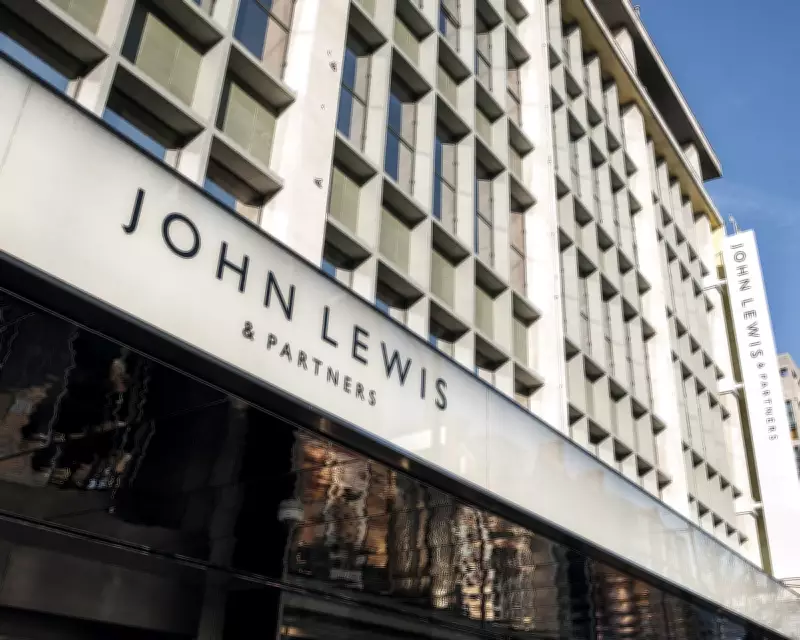
John Lewis Partnership Withdraws from Major Housing Initiative
The John Lewis Partnership, the retail giant behind John Lewis department stores and Waitrose supermarkets, has officially terminated a £500 million agreement to construct nearly 1,000 residential rental homes. This ambitious project, initially targeting locations in Bromley, Reading, and West Ealing, has been scrapped due to what the company describes as a "fundamental shift in economic conditions."
Economic Challenges Halt Development Plans
In a statement, the retailer highlighted that the current financial environment, characterized by higher interest rates, inflationary pressures, and a more cautious property market, has rendered the build-to-rent model unviable. The partnership's financial collaborator, Aberdeen, faced significant difficulties in raising funds for the venture, which was first launched in 2020. Aberdeen acknowledged that these fundraising challenges "reflect the realities of the environment" and a "challenging UK market" spanning from 2022 to 2025.
Despite this setback, Aberdeen expressed continued confidence in the build-to-rent sector, both in the UK and globally. A spokesperson emphasized, "Collaboration is vital to address the UK housing crisis, and build-to-rent should be a healthy part of the property mix." The investment firm plans to maintain its presence in UK housing through existing partnerships.

Industry Reaction and Strategic Refocus
Brendan Geraghty, chief executive of the Association for Rental Living, lamented the decision, calling it "deeply disappointing news and a real loss for consumers." He praised John Lewis for bringing a "trusted consumer brand, a service-first culture, and a long-term commitment to quality" to the rental living space, qualities that resonated with both institutional investors and residents.
This move marks a strategic pivot for John Lewis, the UK's largest employee-owned business, as it refocuses on its core retail operations. The abandonment of the housing project represents a departure from the broader strategy outlined under former chair Sharon White, who aimed to generate 40% of profits from non-retail activities by 2030. Under her leadership, the company had bold plans to build up to 10,000 rental homes.
Future Prospects and Existing Commitments
John Lewis has secured headline consent for all three planned projects and is in the final stages of negotiations with local authorities. The partnership is now considering options for the future of these sites, which may include selling them to property developers. Additionally, the company will continue to manage homes at four existing sites owned by other parties linked to Aberdeen, located in Leeds, Birmingham, Leicester, and Stratford. These management contracts are set to gradually conclude this year and next.
A spokesperson for the John Lewis Partnership explained, "Our rental property ambition was based on a very different financial environment: one with more stable investment returns, lower borrowing costs, and more affordable costs to build homes. Unfortunately, the current climate has meant the model no longer meets the partnership's investment criteria." Since 2020, the company has made significant strides in its retail strategy, investing heavily in its John Lewis and Waitrose brands, simplifying operations, and strengthening its financial position.