Home Secretary Granted Permission to Challenge High Court Ruling on Palestine Action Ban
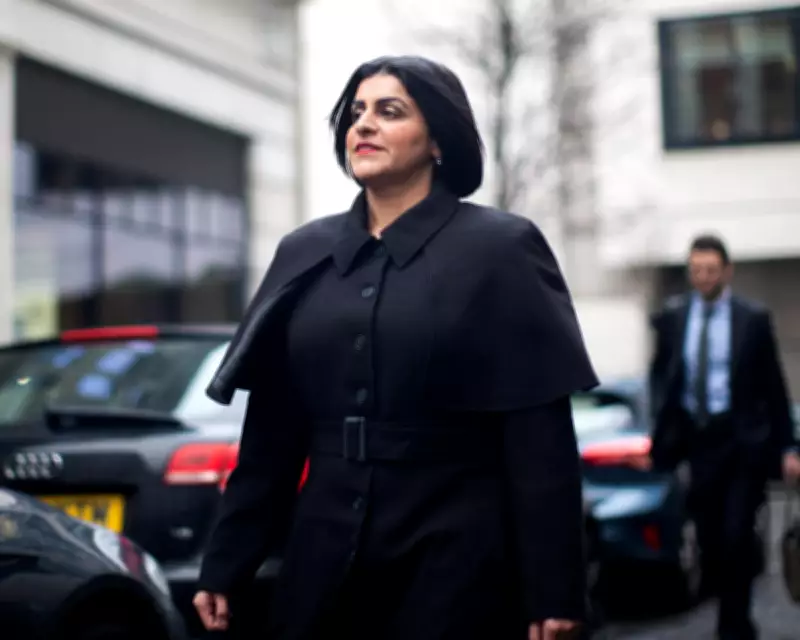
Home Secretary Shabana Mahmood has been granted permission to challenge the High Court's ruling that her decision to ban the direct action group Palestine Action under anti-terrorism laws was unlawful. An order issued by the High Court on Wednesday confirmed that Mahmood can take the case to the Court of Appeal, with the ban remaining in effect pending the outcome of the fresh hearing.
High Court's Initial Ruling and Grounds for Appeal
On February 13, a panel of three judges—Dame Victoria Sharp, Mrs Justice Steyn, and Mr Justice Swift—ruled that the ban was "disproportionate" and allowed a challenge on two out of four grounds. They found that most of Palestine Action's activities, which target organizations it considers complicit in arming Israel, had not reached the level, scale, and persistence required to be defined as terrorism. The judges stated that the ban constituted a "very significant interference" with the rights to freedom of speech and assembly and breached the Home Secretary's own proscription policy.
Immediate Response and Legal Proceedings
Immediately after the February decision, Mahmood announced her intention to fight the judgment, expressing disappointment and disagreeing with the notion that banning the group was disproportionate. The High Court's Wednesday order also refused a cross-appeal by Huda Ammori, co-founder of Palestine Action, meaning she cannot argue grounds rejected in the initial ruling. The court proposed to quash the proscription order but stayed this decision pending Mahmood's appeal, as noted in the judgment: "Subject to any further representations on relief, we propose to make an order quashing the home secretary's decision to proscribe Palestine Action."

Impact on Arrests and Charges
The maintenance of the ban and the appeal leave the fate of over 2,500 people arrested for allegedly supporting Palestine Action uncertain. More than 500 of those arrested have been charged, mostly for holding placards stating "I oppose genocide, I support Palestine Action," under Section 13 of the Terrorism Act, which carries a maximum sentence of six months in prison. Last week, Chief Magistrate Paul Goldspring indicated that these cases would not proceed until any appeal against the ruling is concluded. All defendants have pleaded not guilty, but none have been tried to date.
Police Response and Future Implications
Following the High Court's February ruling, the Metropolitan Police stated they would halt immediate arrests for showing support for Palestine Action but would continue gathering evidence for potential future prosecutions. No date has been set for the appeal, which will determine the legality of the ban and its broader implications for anti-terrorism measures and civil liberties in the UK.