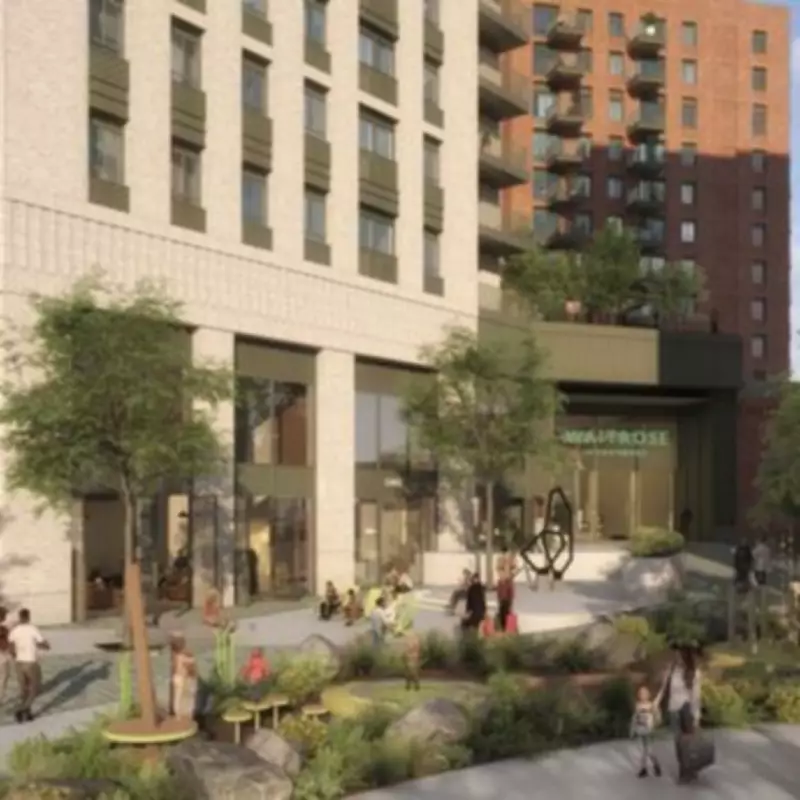
John Lewis Abandons Property Arm, Bromley Waitrose Development Faces Uncertainty
The John Lewis Partnership has announced its complete withdrawal from the build-to-rent property business, creating significant uncertainty for approved plans to construct 353 new homes above the Waitrose store in Bromley town center. The employee-owned retail giant cited challenging economic conditions including higher interest rates, inflationary pressures, and a more cautious property market as primary reasons for this strategic shift.
Approved Development Now in Limbo
Bromley Council originally approved the ambitious development plans in July 2024, which would have seen a 24-storey residential tower constructed above the existing Waitrose supermarket on Masons Hill. The controversial project received mixed reactions from the community, with some welcoming the addition of much-needed housing stock while others criticized the development's substantial height and scale within the town center.
The council's Development Control Committee approved the application with specific conditions designed to prevent any further development on the Waitrose site. With John Lewis now exiting the property development sector entirely, the future of this significant housing project remains uncertain despite previous approvals.
Potential Path Forward Through Consent Sale
According to sources familiar with the situation, John Lewis is currently finalizing details of the planning consent with Bromley Council while simultaneously exploring options to sell the approved planning permission to another developer. This potential transfer could allow the 353-home project to proceed under new ownership, though significant changes to the original scheme might require a completely new planning application.
Bromley Liberal Democrats have expressed relief at the development's current status, noting that the planning agreement for the approved application had not been finalized with the council. Local councilor Julie Ireland, who opposed the original plans, emphasized that while Bromley needs new housing, developments must be "well designed, at a sensible height, and fit comfortably with its surroundings."
Economic Factors Drive Strategic Retreat
A John Lewis spokesperson explained the decision, stating: "Our rental property ambition was based on a very different financial environment: one with more stable investment returns, lower borrowing costs and more affordable costs to build homes. Unfortunately, the current climate has meant the model no longer meets the Partnership's investment criteria."
The company emphasized its renewed focus on core retail operations, including significant investments in modernizing stores, enhancing digital platforms, and improving supply chains for both John Lewis and Waitrose brands. Despite exiting the development business, the partnership remains committed to its property assets and retail offerings within local communities.
Community Impact and Future Considerations
The potential development's fate has significant implications for Bromley's housing landscape. Councilor Ireland stressed the importance of future plans focusing on "high-quality development that respects neighbours and delivers the affordable housing our community really needs."
As John Lewis completes its transition out of the build-to-rent business, fulfilling existing management contracts at four sites, the Bromley Waitrose development represents one of several planning applications now affected by the strategic withdrawal. The coming months will determine whether another developer will take up the planning consent and proceed with the controversial but potentially transformative town center project.