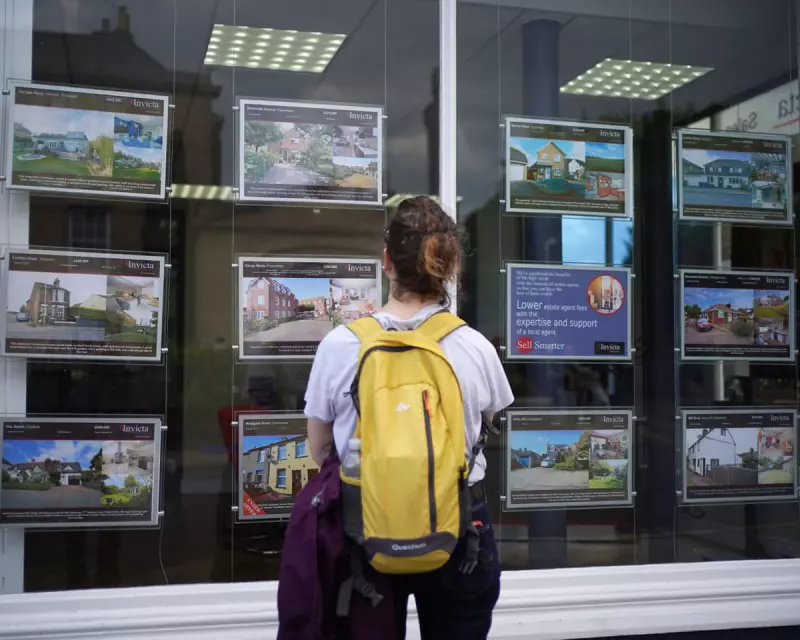
Chancellor Rachel Reeves faces mounting pressure to abolish the controversial stamp duty system in her upcoming budget, with property experts describing it as a "sin tax" that distorts the housing market and penalises homeowners.
The Case Against Stamp Duty
Television presenter Kirstie Allsopp, known for Channel 4's Location, Location, Location, delivered stark testimony to the Treasury committee, warning that "people are in a panic" about potential changes to the system. She argued that the current approach treats property purchase like a vice, comparable to taxation on cigarettes and alcohol.
"We have to be very careful not to see buying property as a sin, because at the moment it's a sin tax," Allsopp told MPs. "You are actually punished for wanting to buy a more expensive property than the previous one, and that is wrong."

The criticism comes as housebuilder Taylor Wimpey reported a significant drop in autumn sales, directly attributing the decline to budget uncertainty causing potential buyers to "sit tight" ahead of the 26 November announcement.
The Economic Impact
Other experts appearing before the committee echoed Allsopp's concerns. Kate Willis, property taxes technical officer at the Chartered Institute of Taxation, acknowledged that while stamp duty is relatively easy to collect and difficult to avoid, "economists are almost universally agreed that it does distort economic activity."
The financial burden falls particularly hard on first-time buyers, according to Richard Donnell, research director at Zoopla. His analysis reveals that 40% of first-time buyers using the platform face stamp duty bills, rising to nearly 80% in London. The average payment reaches approximately £16,000 – representing about 3% of a property's value.
"You're also trapping a lot of people out of home ownership and that puts big pressure on the rental market," Donnell added, highlighting the wider market consequences.
Proposed Alternatives
Tim Leunig, director of economics at Public First Consulting and former government adviser, presented a compelling case for reform. He argued that "every single person in the country is a loser from stamp duty land tax" because it restricts labour mobility and economic growth.
However, Leunig cautioned that simply abolishing stamp duty without replacement would likely drive up house prices, particularly in the overheated London market. Instead, he has proposed an annual property tax targeting buyers of homes valued over £500,000.
In a report for the centre-right thinktank Onward, Leunig suggested a 0.54% yearly levy on property value, with higher rates applying to homes worth more than £1 million. This approach would spread the tax burden over time rather than concentrating it at the point of purchase.
The Treasury is reportedly considering multiple options for property tax reform, including potential changes to capital gains tax relief on main residences and various forms of wealth taxation targeting high-value properties.
When questioned about a potential "mansion tax" targeting properties above £2 million, Allsopp expressed scepticism, predicting that "there'll be a lot more properties worth £1.9999m" as homeowners seek to avoid the threshold.
Leunig similarly questioned targeting property specifically for wealth taxation, asking: "I'm not sure why someone who pays £2m for a house should be taxed more than someone who spends half of that money on a house in the south of France, or on a yacht."
As the budget announcement approaches, the property industry awaits decisive action from the Chancellor that could reshape the UK housing market for years to come.