How Banks Secured a Prized Status in Reeves's Budget
In a significant victory for the financial services sector, Chancellor Rachel Reeves has spared banks from higher taxes in her £26bn budget, prompting immediate expansion commitments from Wall Street giants JP Morgan and Goldman Sachs. The decision follows intense City lobbying and high-level reassurances from the Labour government about its pro-business stance.
The courtship was symbolised at a recent event at JP Morgan's New York headquarters, where boss Jamie Dimon hosted a birthday celebration for King Charles. Among the 400 guests was Varun Chandra, the prime minister's envoy, reportedly dispatched to reassure the banking titan of Labour's position.
Major Investments Follow Tax Decision
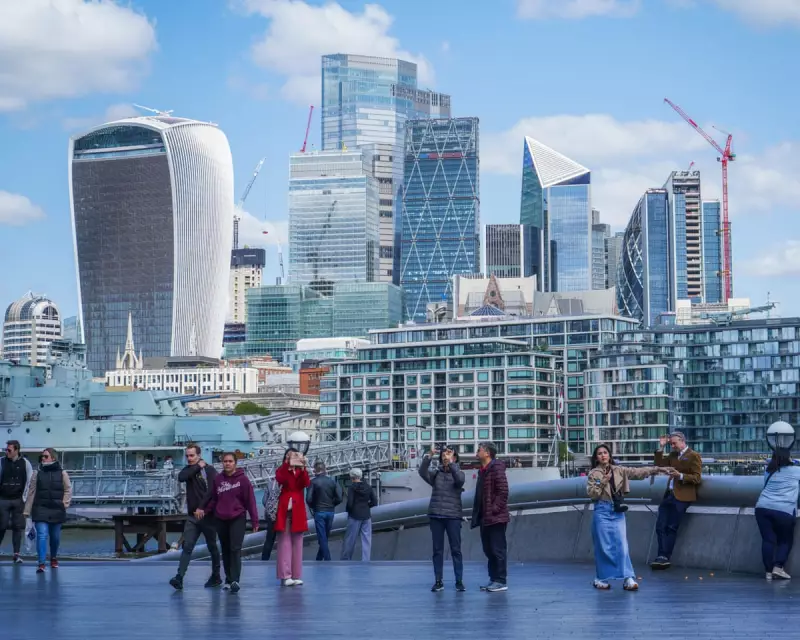
Just hours after the budget announcement, Dimon unveiled plans to build a massive 279,000 square metre tower in London's Canary Wharf, with the caveat that it required a "continuing positive business environment in the UK." The bank had sought assurances about the UK's direction before committing to the multi-billion pound development.

Similarly, Goldman Sachs announced it would expand its Birmingham office and hire 500 additional staff, more than doubling its workforce in Britain's second city. This came after boss David Solomon met with Reeves at Number 11 Downing Street last month, where he reportedly advised against increasing bank taxes.
Behind the Scenes Lobbying and Political Tensions
The outcome could have been dramatically different. Treasury officials had examined bank profits - inflated by the Bank of England's quantitative easing scheme - with Reeves actively considering a multibillion-pound windfall tax that could have raised up to £8bn according to Institute for Public Policy Research estimates.
The banking industry mounted a ferocious lobbying campaign to ensure financial services remained one of the few off-limits sectors in what one insider described as Reeves's "smorgasbord tax-raising budget." Industry figures argued that banks already pay a 28% headline rate of corporation tax, above the standard 25%, plus a 0.1% levy on their balance sheets.
However, the close relationship between Labour and City boardrooms doesn't sit comfortably with all party supporters. Campaign group Positive Money estimates banks made £24.1bn in the first half of 2025 alone - nearly £1bn per week - while public services face continued underfunding.
Paul Nowak, general secretary of the TUC, articulated this sentiment: "Banks have done very well out of the British people. It's only right that they use their bumper profits to pay a bit more in tax to invest in our hospitals, schools and local councils."
Strategic Importance of Financial Services
The government's rationale is fundamentally pragmatic. Reeves views the City as critical to Labour's growth mission, with financial services among eight critical sectors backed in the party's industrial strategy. The sector contributes almost a tenth of UK GDP, employs 1.2 million people, and brings in more than £40bn annually to the exchequer.
As one senior banker observed: "I think they've come to realise that the City can't be taken for granted. London's one of many financial centres for global banks." This understanding appears to have shaped a budget that prioritised retaining financial sector investment over short-term tax gains.