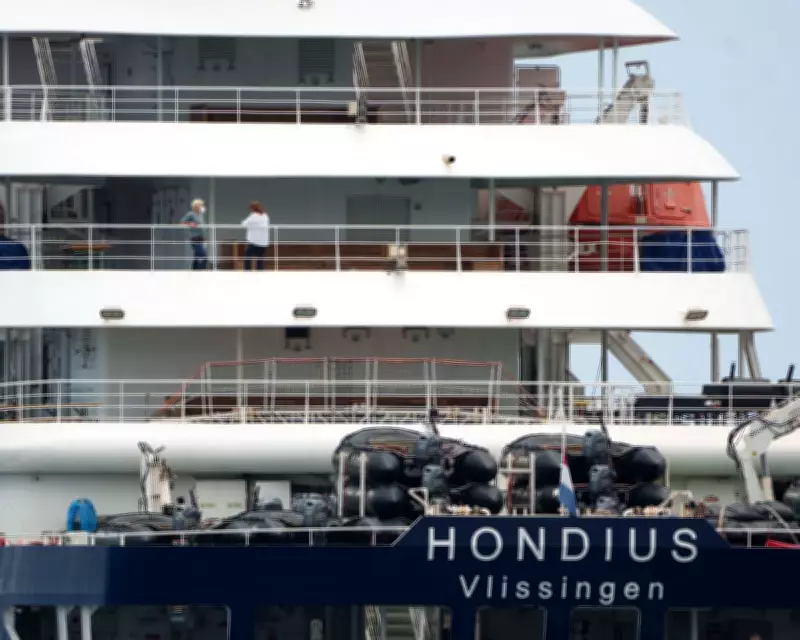
The MV Hondius recently experienced a hantavirus outbreak, resulting in three deaths and additional symptomatic passengers. This incident highlights the persistent challenge of infectious disease control on cruise ships, where close quarters, diverse passenger origins, and engineering constraints create ideal conditions for pathogen spread.
Why Cruise Ships Are Vulnerable
Dr. Charlotte Hammer, an infectious diseases epidemiologist at the University of Cambridge, explains that ships move, exposing passengers to unfamiliar pathogens. Additionally, a large proportion of passengers are older adults, who may be more susceptible to severe illness. David Heymann, professor of infectious disease epidemiology at the London School of Hygiene & Tropical Medicine, notes that outbreaks depend on who boards and what pathogens they carry.
Transmission Routes
Infections spread via respiratory aerosols or droplets, as seen with COVID-19 and flu. While ventilation improvements help, Hammer points out that ships have low ceilings and limited airflow, especially in windowless cabins. Contaminated food is another common route, particularly for E. coli and norovirus. Kitchens, though hygienic, represent a single point of failure due to space constraints. Dr. Vikram Niranjan from the University of Limerick adds that buffets and frequently touched surfaces increase transmission risk. Waterborne outbreaks, like legionnaires' disease, are also difficult to detect and manage.
Challenges in Outbreak Response
Diagnosis is hindered by limited medical facilities and personnel. Hantavirus, for instance, is rare and mimics other viral infections. Ships lack full laboratories and equipment for mass outbreaks. Niranjan suggests collapsible isolation cabins as a potential solution, while Heymann recommends better epidemiological training for ship doctors.
Precautions for Passengers
The US Centers for Disease Control and Prevention advises against boarding if ill, regular handwashing, routine vaccinations, destination-specific vaccines, and notifying the medical center if symptoms arise. Travel insurance and face masks are also recommended. Hammer concludes that many risk factors are inherent to cruise ship design, and altering them would fundamentally change the experience.