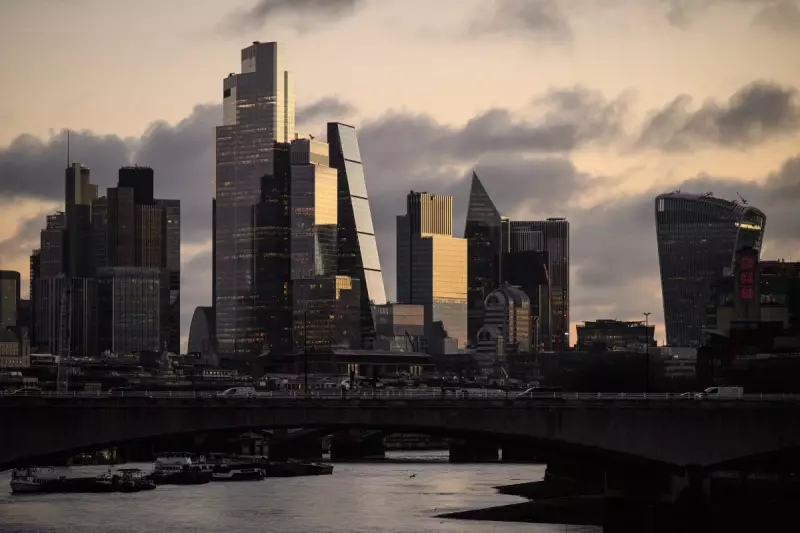
The legal landscape of the City of London underwent a profound transformation in 2025, driven by an insatiable quest for scale, the relentless march of technology, and mounting systemic pressures. This year rewrote the rulebook, marked by the birth of transatlantic titans, the operational embrace of artificial intelligence, and a justice system pushed to its breaking point.
Political Pressure and the Pursuit of Scale
The year began under a political cloud, with US President Donald Trump launching an attack on 'Big Law'. Between late February and March, numerous major firms with significant London offices found themselves targeted by executive orders concerning their political links and roles in January 6 prosecutions. A related flashpoint was the quiet removal of DEI (Diversity, Equity, and Inclusion) policies from some corporate websites.
While firms like Jenner & Block and WilmerHale successfully challenged the orders in court, others, including Paul, Weiss, Rifkind, Wharton & Garrison, acquiesced. This compliance led to Trump securing pledges for approximately $940 million in pro bono legal services from nine firms, effectively creating one of the largest in-house legal teams in US political history.
Yet, the dominant narrative was one of consolidation. The success of A&O Shearman, which posted £2.9bn in revenue in its first merged year, fuelled a merger frenzy. Herbert Smith Freehills combined with US firm Kramer Levin on 1 June, while November saw London's Ashurst announce a $2.7bn merger with Seattle's Perkins Coie. This was swiftly followed by the union of Chicago's Winston and Strawn with Taylor Wessing.
"Clients want global solutions, and that is what drives everything in our business," explained Ashurst's global chair, Karen Davies. The ambition is clear: to compete with elite global players like Kirkland & Ellis, which generates nearly $9bn. However, as merger specialist Nick Woolf of Woolf&Co cautioned, blending cultures across the Atlantic presents a monumental challenge that can define a merger's ultimate success or failure.
AI's Tangible Impact on Law Firm Operations
2025 saw artificial intelligence move decisively from hype to a core operational tool, with significant knock-on effects. The market witnessed a flurry of legal tech start-ups, with standout performer Legora seeing its valuation skyrocket from $50m to $1.8bn in just two years.
The focus shifted to global implementation. "When we rolled out with Linklaters, it was a global deployment for all their offices, all the lawyers, and all the practice areas," stated Legora CEO Max Junestrand. Firms are actively driving adoption; Shoosmiths, for instance, successfully incentivised staff with a £1m bonus pot in exchange for generating 1 million Microsoft Copilot prompts.
This rise of AI is now exerting real financial pressure. An October survey by PwC warned that AI is putting 'downward pressure' on fees, accelerating the potential phasing out of the traditional hourly billing model as machine efficiency reduces billable hours.
A Justice System in Peril
Parallel to the corporate upheaval, the criminal justice system descended further into crisis. The Legal Aid Agency was compromised in April's cyberattacks, with the Ministry of Justice confirming criminals accessed up to 15 years of sensitive data.
The prison system remained under severe strain, with high-profile cases of prisoners mistakenly released under emergency measures to ease overcrowding. The situation reached a new crescendo when a leaked memo, later confirmed, revealed government plans to scrap some jury trials to tackle a massive backlog.
With nearly 80,000 cases pending in the criminal division—a figure expected to surpass 100,000—the pressure is immense. "There is no one working in the legal system who doesn't think the criminal justice system is broken," admitted Minister for Courts, Sarah Sackman.
The proposed reforms have sparked fierce backlash from legal bodies and criminal barristers. Dissent is even growing within the governing Labour Party, with MP Karl Turner organising a backbench protest letter and former deputy PM Angela Rayner raising questions.
As 2025 closes, the UK legal sector stands at a crossroads: buoyed by global ambition and technological power yet underpinned by a public justice system in desperate need of repair. The decisions made in boardrooms and government in 2026 will determine which of these forces defines the future.