Manufacturing Body Calls for Immediate Government Action
The UK's manufacturing sector is sounding the alarm over an escalating energy crisis that threatens to accelerate deindustrialisation across the country. Industry leaders are demanding urgent government intervention as businesses face some of the highest industrial energy prices in the developed world.
The Stark Reality of Factory Closures
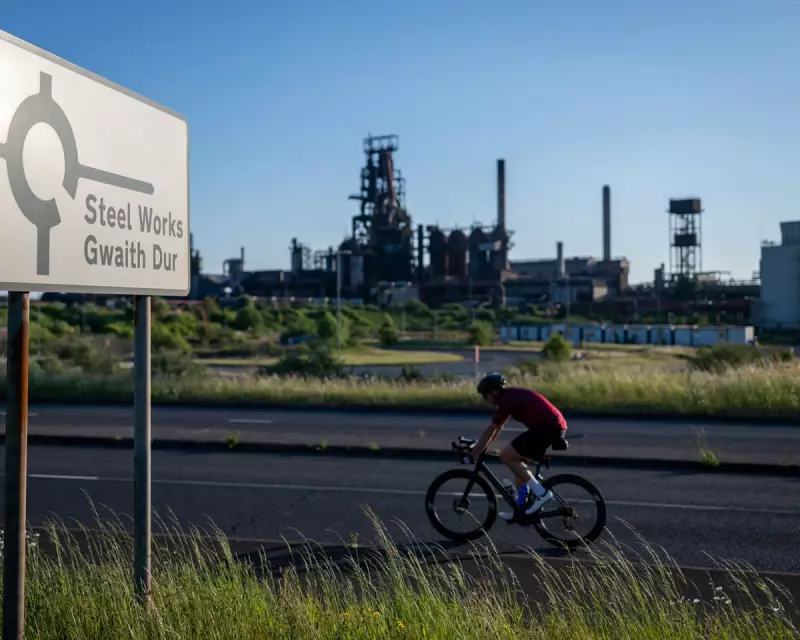
Recent months have seen a worrying pattern of industrial closures that highlight the severity of the situation. The impending shutdown of Port Talbot steelworks represents just one high-profile casualty, while ExxonMobil's decision to close its 40-year-old ethylene plant near Cowdenbeath in Fife adds to the growing list. Although these cases involve complicating factors, they share the common thread of unsustainable energy costs alongside rising carbon levies.
Make UK, the organisation representing manufacturers, has presented a stark assessment to the government. They're calling for a significant expansion of the energy support scheme from the current 7,000 firms to 115,000 businesses, arguing that the crisis demands immediate action rather than delayed solutions.
Government Response Falls Short
The government's proposed solution, known as the British industrial competitiveness scheme (BICS), promises electricity bill savings of up to 25% for qualifying businesses. However, this support isn't scheduled to take effect until April 2027, a timeline that industry leaders describe as completely inadequate.
Business Secretary Peter Kyle is expected to announce a formal consultation on the BICS implementation in the coming days. This consultation will determine how the scheme could be funded, eligibility criteria, and what the promised savings will actually mean for businesses. Critics note that it has taken five months to move from the initial announcement to this consultation phase.
Meanwhile, industrial companies are bracing for significant electricity bill increases next April as higher transmission charges take effect to fund the £80 billion upgrade of the electricity grid. Make UK estimates that some heavy energy users could face annual increases of £500,000.
A Call for Faster Action
Stephen Phipson, chief executive of Make UK, states unequivocally: "The clock is ticking on tackling our eye-watering energy costs and it is now a case of political will rather than any technical constraints to addressing these."
While the government points to its "supercharger" scheme that will protect about 500 firms in the most energy-intensive industries, this leaves numerous heavy energy users outside the protected categories vulnerable to the coming cost increases.
Manufacturers argue that if backdating the BICS scheme proves impossible, the government should at least fast-track its implementation to April to coincide with the first wave of network-related cost increases. Waiting until 2027, they contend, will be too late for many businesses already struggling to remain competitive.