UK Economic Growth Slows to 0.1% Amid Manufacturing Setback
The UK economy experienced a significant slowdown in the third quarter of 2024, expanding by just 0.1% between July and September. This muted growth occurred despite a severe hit to manufacturing output in the final month of the quarter, driven primarily by a devastating cyber-attack on automotive giant Jaguar Land Rover.
September GDP Decline and Manufacturing Crisis
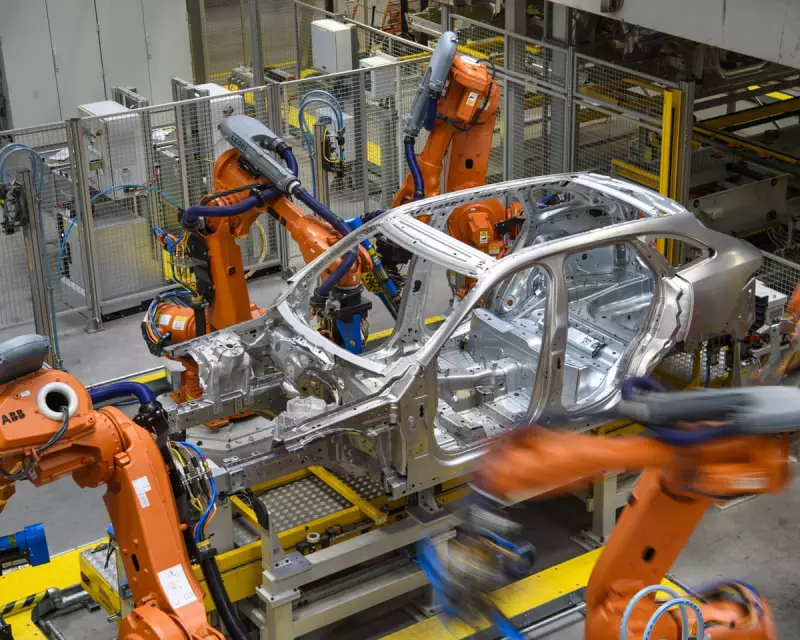
Official data from the Office for National Statistics revealed that GDP fell by 0.1% in September alone, as car production plummeted to its lowest level in 73 years following the cyber-attack on Jaguar Land Rover. The manufacturing sector, already facing challenges, was crippled by the sophisticated hack that disrupted production lines and supply chains.
This disappointing performance fell short of market expectations, which had forecast a 0.2% expansion for the third quarter, down from 0.3% growth in the previous three months. The flatlining growth in September has raised concerns about the economy's resilience amid multiple headwinds.
Broader Economic Context and Budget Pressures
The economic figures arrive against a troubling backdrop of rising unemployment, which has now reached 5% - the highest rate in four years. This dual pressure of slowing growth and increasing joblessness presents a significant challenge for Chancellor Rachel Reeves as she prepares for a crucial budget announcement on 26 November.
The Chancellor is widely anticipated to implement tax increases in her second budget later this month, partly to offset a forecast downgrade from the independent Office for Budget Responsibility. In a recent speech addressing the nation's economic challenges, Reeves emphasised that "Each of us must do our bit for the security of our country and the brightness of its future."
The combination of the JLR cyber-attack's impact on manufacturing and broader economic weaknesses has created a perfect storm for policymakers, who must now balance fiscal responsibility with the need to stimulate growth in a fragile economic environment.