
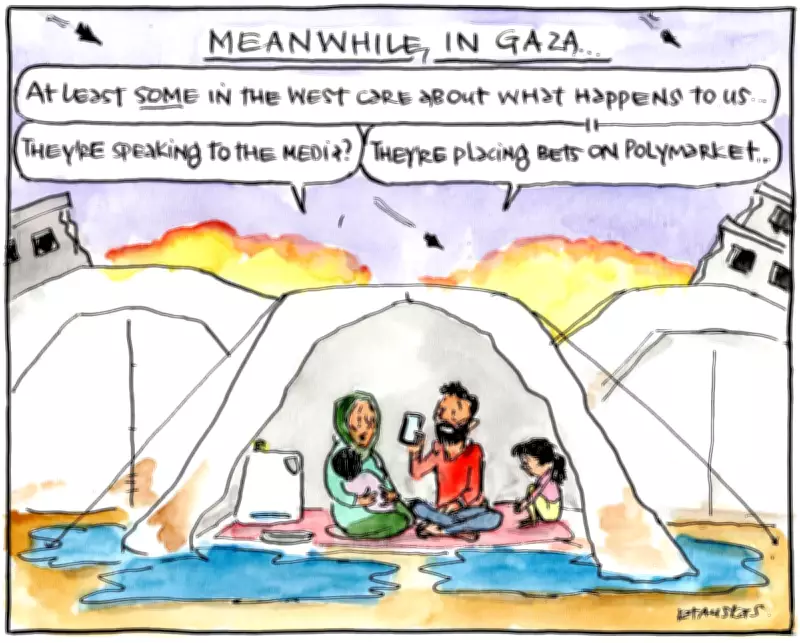
The Controversial Rise of Prediction Markets
Prediction markets, platforms where individuals can place bets on the outcomes of real-world events, have surged in popularity in recent years. These markets allow users to wager on everything from election results and economic indicators to natural disasters and geopolitical conflicts. While proponents argue they provide valuable insights and efficient information aggregation, critics raise serious ethical concerns about profiting from other people's misery.
How Prediction Markets Operate
At their core, prediction markets function similarly to financial markets or sports betting platforms. Participants buy and sell contracts tied to specific outcomes, with prices reflecting the collective wisdom about the likelihood of those events occurring. For example, a contract predicting a candidate's election victory might trade at 60 cents if there's a 60% perceived chance of success. When the event concludes, contracts settle at either $1 (if the prediction was correct) or $0 (if incorrect), allowing successful traders to profit.
These markets have expanded beyond traditional political forecasting to encompass a wide range of human experiences. Today, you can find prediction markets covering disease outbreaks, celebrity divorces, corporate bankruptcies, and even tragic events like natural disasters. This expansion has intensified the ethical debate surrounding these platforms.
The Ethical Dilemma of Profiting from Suffering
The most significant criticism of prediction markets centers on their potential to monetize human suffering. When traders profit from accurate predictions about negative events—such as a hurricane causing widespread destruction or a company laying off thousands of employees—they're essentially making money from others' misfortune. This creates a moral hazard where financial incentives might align with hoping for bad outcomes.
Some ethical philosophers argue this represents a form of exploitation, turning human tragedy into financial opportunity. Others counter that prediction markets simply reflect reality without causing the events themselves, similar to how insurance companies operate. The debate becomes particularly heated when markets involve sensitive topics like terrorist attacks or public health crises.
Information vs. Exploitation
Supporters of prediction markets emphasize their informational value. By aggregating diverse opinions and knowledge, these markets can produce remarkably accurate forecasts that often outperform expert predictions and polls. This information can theoretically help governments, businesses, and organizations prepare for potential outcomes, potentially mitigating negative consequences.
However, the line between valuable forecasting and unethical speculation remains blurry. When does gathering intelligence about potential crises cross into profiteering from anticipated disasters? This question becomes especially pertinent as prediction markets grow more sophisticated and accessible to mainstream investors.
Regulatory Challenges and Future Outlook
The regulatory landscape for prediction markets remains complex and fragmented. Some jurisdictions treat them as gambling operations subject to strict controls, while others classify them as financial instruments with different oversight requirements. This regulatory ambiguity has allowed certain platforms to operate in gray areas, further complicating the ethical discussion.
As technology advances and these markets become more integrated into mainstream finance, society will need to grapple with fundamental questions about their role. Should there be ethical boundaries on what events can be traded? How can we balance the informational benefits against the moral concerns? These questions will likely become increasingly urgent as prediction markets continue evolving and expanding their influence.




