
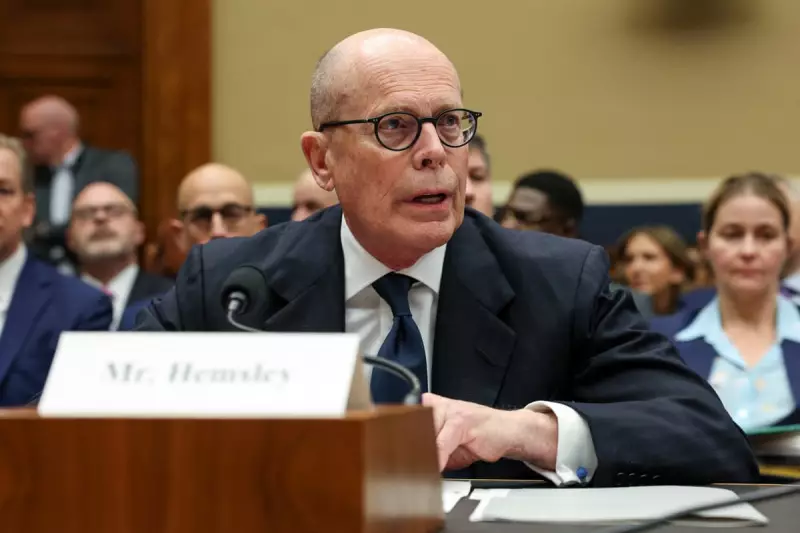
In a significant congressional hearing on Capitol Hill in Washington DC, executives from five of the United States' largest health insurance companies faced lawmakers to address the escalating affordability crisis in healthcare. The session, held on 22 January 2026, saw CEOs including Stephen Hemsley of UnitedHealth Group testify before the House energy and commerce committee, as Republicans spearheaded efforts to curb costs ahead of the midterm elections.
Insurance Leaders Under Scrutiny for Rising Expenses
The hearing, convened by Republican chairs Brett Guthrie and Morgan Griffith, focused on why healthcare has become increasingly unaffordable for Americans. In a notable move, Stephen Hemsley announced that UnitedHealth Group, the nation's largest insurer, will voluntarily rebate profits earned from its Affordable Care Act plans to customers in 2026. Hemsley emphasised that while UnitedHealthcare is a relatively small player in the ACA individual market, this action aims to provide immediate relief as Congress works on long-term solutions.
Mounting Financial Pressures in the US Healthcare System
Testimony highlighted alarming trends in healthcare spending. According to the health policy group KFF, premiums for families with employer-based insurance rose 6% in 2025, reaching nearly $27,000 annually. Overall healthcare expenditure in the US surged 7.2% in 2024 to over $5.3 trillion, accounting for 18% of the nation's gross domestic product. These figures underscore the urgency of the affordability debate gripping policymakers and the public alike.
Lawmakers Challenge Industry Practices and Consolidation
During the hearing, several lawmakers directly confronted the insurance executives. Representative Diana Harshbarger, a Republican and pharmacist, questioned how coverage decisions and drug prices are set, accusing insurers of exerting excessive control over the market. Representative Alexandria Ocasio-Cortez criticised corporate consolidation, noting that entities like CVS Caremark own multiple segments of the healthcare chain, from insurance to pharmacies and drug manufacturers. She argued that such structures disadvantage patients, stating that dismantling monopolies is a rare point of agreement across political spectrums.
Political Divides and the Future of ACA Subsidies
The hearing occurred against a backdrop of political stalemate over ACA subsidies. Congress has been deadlocked for months on renewing enhanced subsidies introduced during the Covid-19 pandemic. Democrats have pushed to extend premium tax credits that reduce ACA plan costs, with the US House recently passing legislation to re-establish these credits after some Republicans broke ranks. Without these subsidies, premiums were projected to double, potentially leading many to drop coverage.
Enrollment Trends and Market Dynamics
Recent data reveals a decline in ACA plan enrollment, with about 22.8 million people signed up so far this year—roughly 800,000 fewer than at the same point last year. This drop in both new and returning enrollees highlights the ongoing challenges in maintaining affordable healthcare access. In contrast, last year saw a record 24 million Americans purchasing ACA plans, underscoring the volatility in the market.
As the hearing concluded, Guthrie framed it as the start of a broader series aimed at identifying cost-reduction strategies across the healthcare system. With healthcare expenses continuing to climb nationwide, the testimony from insurance executives marks a critical step in addressing one of America's most pressing economic and social issues.




