
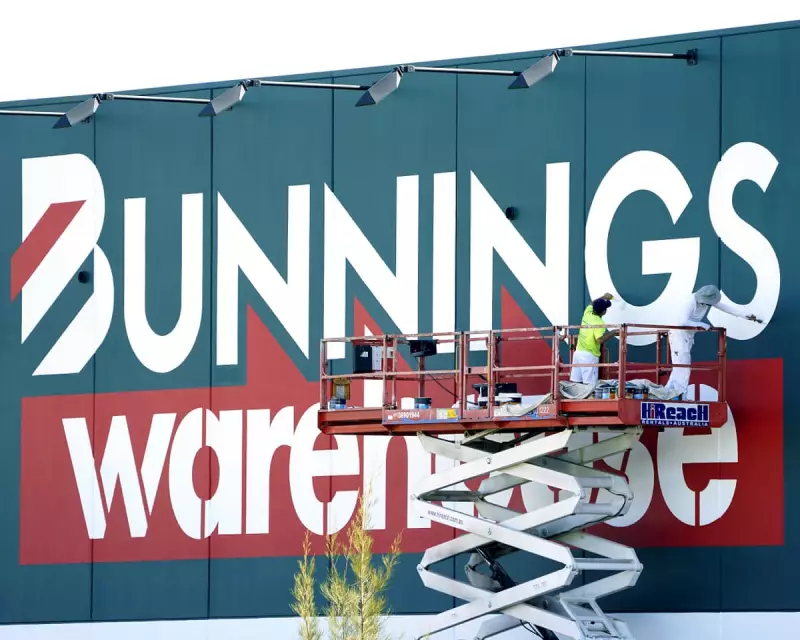
Environmental Group Calls for ACCC Investigation into Bunnings Timber Sourcing
The Wilderness Society has formally requested the Australian Competition and Consumer Commission to launch an investigation into Bunnings, Australia's leading hardware and garden chain, over serious concerns about potentially unlawful timber sourcing practices. This comes despite the company's public commitments to responsible environmental policies and sustainable sourcing initiatives prominently displayed across their marketing materials and corporate websites.
Allegations of Misleading Environmental Claims
The environmental advocacy group has specifically accused Bunnings of engaging in what they describe as "greenwashing" tactics regarding their timber products. The complaint centres on allegations that Bunnings may have sold timber originating from operations later found to involve unlawful logging activities, while simultaneously promoting these products as environmentally responsible choices for consumers.
The Wilderness Society has asked the ACCC to examine whether Bunnings' claims about responsible timber sourcing have created a misleading impression that their products are more environmentally friendly than they actually are in reality. The group contends that if proven, such representations could constitute misleading or deceptive conduct under Australian consumer protection laws.
Concerns About NSW Forestry Corporation Supply Chain
The complaint specifically highlights timber sourced from the New South Wales Forestry Corporation, which has faced multiple environmental convictions and continues to face numerous additional charges. Despite this regulatory history, the state-owned forestry agency has maintained certification under the Responsible Wood scheme, which is endorsed by the Programme for the Endorsement of Forest Certification.
Victoria Jack, The Wilderness Society's NSW campaigns manager, expressed significant concerns about this situation: "Bunnings customers don't want their next home improvement project to come at the expense of Australia's precious native forests. While Bunnings presents its timber as coming from legal sources that don't impact endangered species, our research suggests a different reality. What consumers are purchasing could potentially be timber originating from habitats of threatened species like the greater glider or swift parrot, possibly even logged illegally."
Bunnings' Response and Certification Requirements
Bunnings has responded to these allegations by reaffirming their commitment to responsible timber sourcing practices. A company spokesperson stated: "Bunnings maintains a firm commitment to sourcing timber and wood products that originate exclusively from compliant and well-managed forest operations. We require all natural forest timber products to be sourced from forests that hold independent certification from either the Forest Stewardship Council or the Programme for the Endorsement of Forest Certification. NSW Forestry Corporation meets these stringent certification requirements."
The hardware giant sells timber sourced from NSW Forestry Corporation through various local suppliers, maintaining that their supply chain meets established environmental standards despite the concerns raised by environmental groups.
Regulatory and Legal Perspectives
The ACCC has confirmed receiving The Wilderness Society's formal complaint, with a spokesperson indicating that "the matter will be assessed in accordance with our established Compliance and Enforcement Policy." The consumer watchdog typically refrains from commenting on specific reports or potential investigations during preliminary assessment stages.
Professor David Heilpern, former magistrate and current Dean of Law at Southern Cross University, has described the situation as "unprecedented" and expressed hope that the complaint would receive serious consideration. He noted: "This arises from the extraordinary circumstance where a government supplier of timber products has been convicted of multiple offences relating to illegal activities on public land. This creates substantial challenges for both consumers and retailers who wish to ensure or represent that their products aren't tainted by such illegality. It raises complex questions about how to address products that shouldn't have been logged but nevertheless entered the market."
Forestry Corporation's Position and Regulatory Framework
A spokesperson for NSW Forestry Corporation defended their operations, stating: "Timber harvesting in NSW public native forests is conducted lawfully under strict regulations, approvals, and comprehensive oversight. We operate within one of the world's most stringent forestry regulatory frameworks, with logging activities subject to detailed planning requirements, environmental regulations, regular inspections, and third-party certification. The Forestry Corporation conducts regular audits of our operations, and when issues are identified, we cooperate fully with regulators, address findings promptly, and implement strengthened processes as necessary."
The environmental group's complaint raises significant questions about certification systems and whether they adequately account for repeated environmental violations by certified operators. This case highlights growing concerns about supply chain transparency and the effectiveness of environmental certification schemes in preventing unlawfully sourced materials from reaching consumer markets.




