
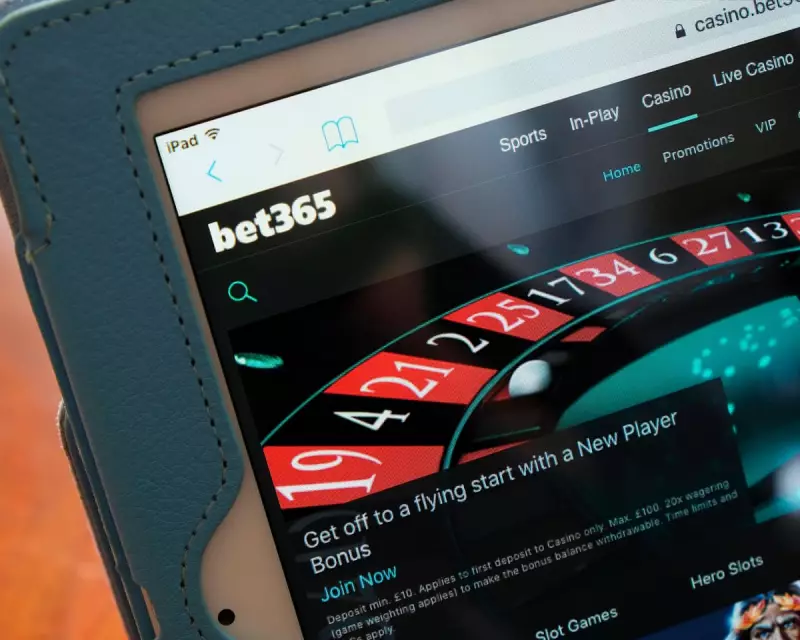
A secretive parallel gambling world, where established Bet365 accounts are bought and sold for tens of thousands of pounds, has been dragged into the public spotlight by an extraordinary court case.
The Court Case Lifting the Lid
According to a legal filing reported by the Guardian, a dispute has emerged from the clandestine realm of elite professional gambling. The case centres on an alleged arrangement where George Cottrell, a close associate of Nigel Farage and a figure within Reform UK, acted as a front for a major gambling syndicate. The syndicate is reportedly controlled by Tony Bloom, the former professional poker player who owns Brighton and Hove Albion FC.
The claim, brought by a former associate of Bloom's, alleges that Cottrell handed over control of betting accounts in his name to the syndicate. In return, he was to receive a 33% share of any profits. The total winnings in question are estimated to be a staggering $250 million. Bloom, who also holds stakes in several other football clubs internationally, has not yet filed a defence.
The 'Wild West' of Account Trading
This case offers a rare glimpse into a shadow industry that operates separately from well-known bookmakers like Ladbrokes and PaddyPower. Industry sources describe a "wild west" marketplace on platforms like Telegram and WhatsApp, where betting accounts are routinely traded.
The value of an account depends entirely on its history. A basic ID and postcode might fetch just £20. However, a seasoned Bet365 account belonging to a high-rolling "VIP" or "whale"—a punter known to bet big and lose—can be worth a fortune. "A Bet365 account with a couple of years of history betting could be worth tens of thousands," one professional gambler revealed. For an account that had lost millions, the value is even higher, as bookmakers are slow to shut down such profitable clients.
This practice exists because successful, or "sharp", punters are routinely "chinned"—industry slang for having their accounts restricted or closed by bookmakers who refuse to accept losing business. To circumvent this, pros rent or buy the accounts of losing customers, using them as "beards" or "mules" to place their bets anonymously.
Beyond the Regulated Market
Buying accounts is not the only route for those shut out by licensed UK operators. A growing illicit offshore market, estimated to be worth £1 billion, targets British punters. These unlicensed sites, often accessible via VPNs and dealing in cryptocurrency, avoid UK gambling taxes and regulatory checks like anti-money laundering controls.
Legitimate high-roller syndicates, like Tony Bloom's Starlizard, also form part of this ecosystem. They use sophisticated statistical modelling to place large wagers with specialist bookmakers globally. However, insiders say even these syndicates frequently use third-party accounts to disguise their activity from bookies wary of their business.
The revelation of these practices highlights a significant tension within the UK's £12.5bn gambling industry. While regulators focus on preventing addiction and crime within licensed firms, a sophisticated and lucrative shadow economy flourishes beyond their reach, driven by bookmakers' attempts to limit winning customers and punters' relentless pursuit of an edge.




