
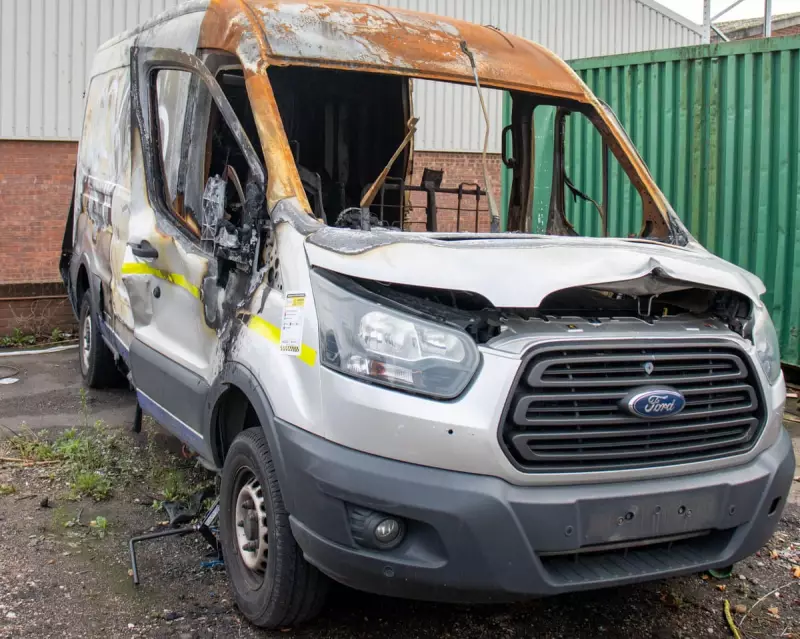
Six-Month Insurance Ordeal Leaves Tradesman in Crisis
A self-employed tradesman from Buckhaven, Fife endured a 169-day battle with Autonet Insurance following a severe motorway accident that left his work van destroyed and his livelihood hanging in the balance.
The Accident and Immediate Aftermath
In mid-May, the reader's van was violently struck from behind by a speeding driver who failed to stop. The vehicle spun across the carriageway, collided with barriers on both sides, and ultimately caught fire. Miraculously, the driver escaped with only a minor head injury.
He promptly reported the collision to his insurer, Autonet, expecting professional handling of his claim. Instead, he entered what would become a five-and-a-half-month nightmare of bureaucratic delays and communication failures.
Mounting Problems and Financial Pressure
Six weeks after the accident, Autonet had made no contact regarding his claim. Meanwhile, his essential trade tools remained locked inside the damaged van, which was being held at a storage compound. The compound refused access without insurer permission, creating a complete work stoppage for the self-employed tradesman.
To compound the stress, the storage facility began charging £25 per day for keeping the van on their premises. With the bill accumulating rapidly, the financial pressure mounted while Autonet's customer service representatives passed him between brokers, underwriters, and claims management firms without resolution.
Broken Promises and Systemic Failures
When the Guardian's Consumer Champions column intervened in late June, Autonet admitted it had "fallen short with our communication and responsiveness." Despite this admission in early July, the company then demanded accident details that had already been submitted two months earlier, suggesting the claim hadn't even been processed.
After significant media pressure, Autonet finally reunited the tradesman with his tools in July, though they were too damaged for use. The company promised compensation for the impact of their poor service and remuneration for expenses including 11 days of lost work due to lack of tools and transport.
Yet by August - 16 weeks after the initial claim - Autonet had offered only half of the £6,750 in documented expenses. Only after further intervention did they agree to pay the full amount, though they controversially included this in their "compensation" offer.
Courtesy Van Controversy and Final Resolution
In September, the situation worsened when Autonet demanded immediate return of the courtesy van because the claim was "taking too long." It emerged the tradesman had unknowingly signed a credit hire agreement rather than a standard courtesy vehicle arrangement. This legally liable him for hire costs if the third-party insurer refused payment.
Left without transportation once more, he had to spend money he couldn't afford on an inferior replacement vehicle. Under continued media pressure, the underwriter eventually proposed £1,835 for the written-off van in October.
The final payment arrived on the last day of October, exactly 169 days after the initial accident. The resolution required 30 emails between the Guardian and Autonet, plus countless sleepless nights for the victim.
Ongoing Concerns and Consumer Warning
The case may not be completely resolved. If the third-party insurer refuses to pay for the months the tradesman had the hire van, he might be required to assist with legal action Autonet and its underwriter might pursue.
This case serves as a stark warning about insurance claim procedures and the importance of understanding all documentation before signing. Autonet repeatedly admitted falling short in their service, yet the consumer bore the brunt of their failures through months of stress and financial uncertainty.




