
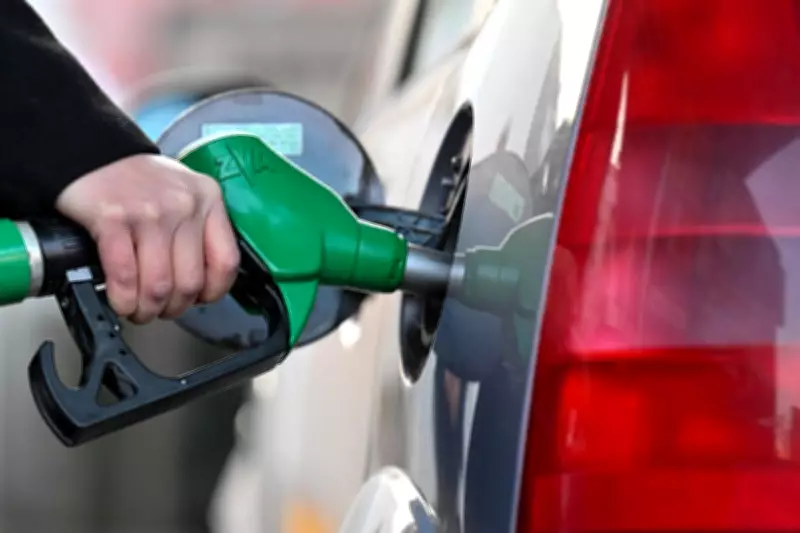
Australian Petrol Retailers Under Fire for Alleged Price Gouging Amid Iran Conflict
Australian petrol retailers are facing intense scrutiny and accusations of price gouging as fuel costs skyrocket in the wake of the escalating conflict in Iran. Consumer groups and regulatory bodies have raised alarms over what they describe as unjustified price hikes that are placing an undue burden on households and businesses across the nation.
Surge in Fuel Costs Sparks Outrage
The recent surge in global oil prices, driven by geopolitical tensions in Iran, has led to a sharp increase in fuel costs at Australian pumps. However, critics argue that retailers are exploiting this situation by raising prices beyond what is warranted by market conditions. Reports indicate that some petrol stations have increased prices by as much as 20% over the past month, far outpacing the rise in wholesale oil prices.
Consumer advocates have voiced strong concerns, stating that these practices are harming everyday Australians who rely on affordable fuel for transportation and work. The Australian Competition and Consumer Commission (ACCC) has launched an investigation into the matter, examining whether retailers are engaging in anti-competitive behavior or price manipulation.
Regulatory Response and Industry Defense
In response to the allegations, the ACCC has pledged to take swift action if evidence of price gouging is found. The commission is monitoring fuel prices closely and has urged consumers to report any suspicious pricing activities. Meanwhile, petrol retailers have defended their actions, citing increased operational costs and supply chain disruptions caused by the Iran conflict.
Industry representatives argue that the price increases are a direct result of global market forces and not deliberate gouging. They point to factors such as higher import costs, currency fluctuations, and logistical challenges in fuel distribution. However, this defense has done little to quell public anger, with many calling for greater transparency in pricing mechanisms.
Impact on Australian Economy and Consumers
The rising fuel costs are having a ripple effect across the Australian economy. Key impacts include:
- Increased transportation costs for goods and services, leading to higher prices for consumers.
- Strain on household budgets, particularly for low-income families who spend a larger proportion of their income on fuel.
- Potential slowdown in economic activity as businesses face higher operational expenses.
Experts warn that if left unchecked, these price hikes could exacerbate inflationary pressures and hinder economic recovery efforts. The situation has also sparked debates about Australia's energy security and the need for more resilient fuel supply chains.
Looking Ahead: Calls for Reform and Accountability
As the Iran conflict continues to influence global oil markets, there are growing calls for regulatory reforms to prevent future price gouging. Suggestions include:
- Implementing stricter price monitoring and reporting requirements for petrol retailers.
- Enhancing penalties for anti-competitive practices to deter exploitation.
- Promoting alternative energy sources to reduce dependence on volatile oil markets.
The outcome of the ACCC investigation will be closely watched, as it could set a precedent for how Australia handles similar crises in the future. For now, Australian consumers remain caught in the crossfire, hoping for relief from the soaring costs at the pump.




