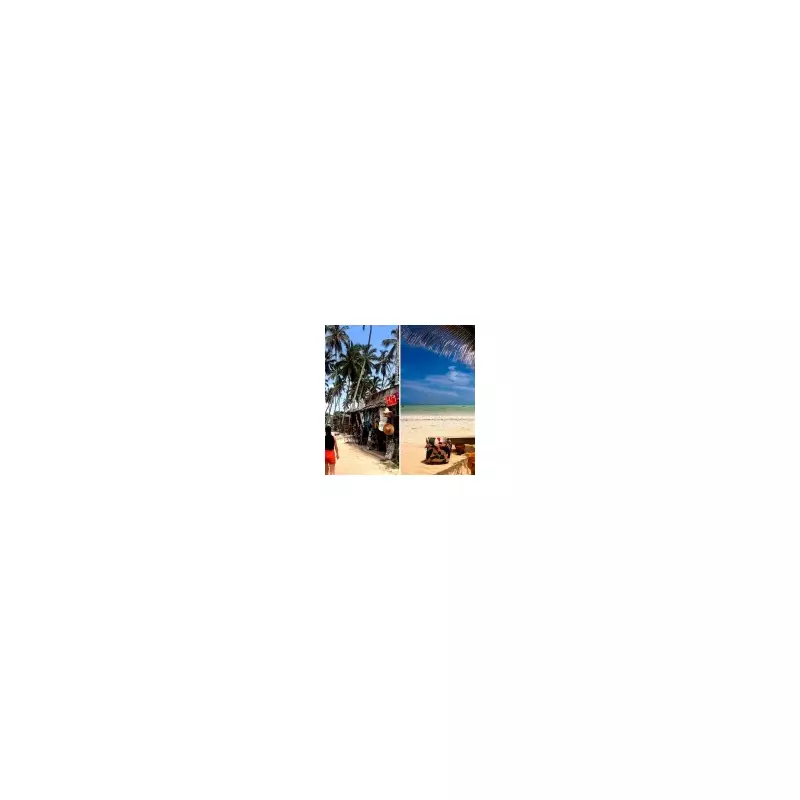
Picture this: palm trees heavy with fresh coconuts, a rippling azure ocean, and ivory sands velvet to the touch. You might imagine the Maldives, but this divine scene is actually Zanzibar, an enchanting island lying 35km off Tanzania on Africa's East Coast. Dubbed the backpacker's version of the Maldives, this archipelago is a fascinating blend of African, Arab, Indian, and Persian cultures, with a spice trade history dating to the 1st century AD. It also basks in 300 days of uninterrupted sunshine each year.
An Island on the Rise
Named one of the world's top island destinations in 2024, Zanzibar's popularity is soaring. In 2023, the archipelago witnessed a record 16.4% increase in tourism, with 638,498 international visitors arriving on its shores. But does this Indian Ocean paradise live up to its growing hype? We spent two weeks exploring its coasts and cities to find out.
Navigating the Island Paradise
After landing at Zanzibar International Airport, a $20 (£16) taxi ride will take you to the capital, Stone Town, in just 15 minutes. A word to the wise on currency: while US dollars are accepted, it's best to stick with Tanzanian Shillings to avoid incorrect change. ATMs are scarce and often charge high withdrawal fees, so it's advisable to order local currency before you travel.
For an authentic and incredibly cheap experience, take a dala-dala from the airport. These public mini-buses are a primary mode of transport for locals. For just 400 Tanzanian Shillings (13p), you can travel across the island, though be prepared for crowded conditions.
Zanzibar's Unforgettable Beaches
Your first encounter with a Zanzibar beach will leave a lasting impression. Ours was Kendwa, in the far north, recently voted the best beach in Africa and the fourth best in the world. With its crystal-clear water, white sand, and Instagrammable sunsets, it offered one of the best swims of our lives.
Just 12 minutes north lies Nungwi, which has a more vibrant, party-ready atmosphere compared to Kendwa's chill vibe. The beach remains unspoiled, and hours can be spent at beach bars like Kajibange, with a local Kilimanjaro or Safari beer costing around 7,000 TSh (£2.20). Pair it with a seafood coconut curry for 20,000 TSh (£6.40), and you have a dinner for under a tenner.
By night, the 2.5km coastline in Nungwi comes alive with both tourists and locals. The scene is one of simple pleasures: young boys playing barefoot football and children splashing in the ocean.
On the east of the island, Paje is known as the kite surfing capital, attracting enthusiasts with its consistently strong winds and shallow waters. Here, you'll meet 'beach boys' from Tanzania's Maasai tribe, who sell handmade trinkets from their 'pole pole' (slowly slowly) shops during the high season.
A Cultural Melting Pot with a Dark Past
No trip is complete without exploring Stone Town, the birthplace of Freddie Mercury and a UNESCO World Heritage site. The capital is a labyrinth of narrow streets, elaborate wood-carved doors, and the constant fragrance of spices. After sunset, a street food market springs up along the harbour, offering shawarmas and kebabs for as little as 5,000 TSh (£1.50).
However, Stone Town has a dark history as one of the last open slave ports in the Indian Ocean. It wasn't until 1897 – six decades after Britain passed the Slavery Abolition Act – that Zanzibar officially outlawed the trade.
Planning Your Trip and an Uncertain Future
There are no direct flights from the UK to Zanzibar. A typical route from London Heathrow with a stopover, such as in Addis Ababa, takes around 13 hours. Return flights in January, the start of the 'short dry season' with temperatures of 29°C to 32°C, start from £550. January to March is quieter than the June to October peak, offering potential bargains.
While tourism is the leading contributor to Zanzibar's economy, boosting its current account surplus to 506.9 million US dollars as of May 2024, this popularity comes at a price. The rapid expansion of hotel construction is causing deforestation, mangrove damage, and coastal erosion. Plastic pollution is a growing concern. Many locals and repeat visitors report increasing commercialisation, with some refusing lucrative offers from developers to leave their homes.
Our verdict? Zanzibar absolutely lives up to its paradise reputation. With its ethereal landscapes, delicious food, and incredibly friendly people, it's a destination to experience now, in its current state of sublime beauty, before it changes forever.