
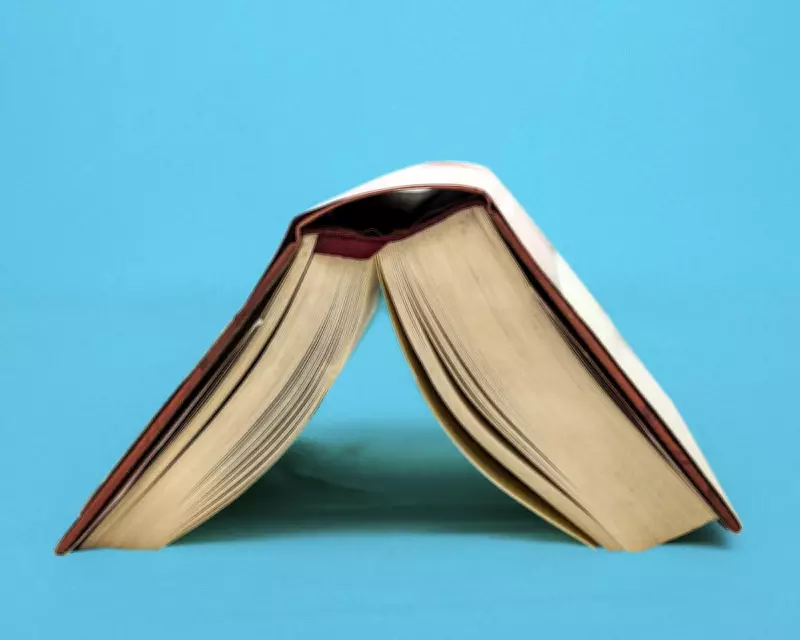
Recently, readers have been abuzz over the publication of Patrick Radden Keefe's new book, London Falling. Reviews of the celebrated writer's exploration of the death of an English teenager entangled in crime and ultra-rich circles have been glowing. Podcast interviews are abundant, and images of the fresh hardback copy are popping up all over Instagram. My reaction? "Looks great, but I'll wait for the paperback."
The Case Against Hardbacks
I am a fairly typical reader, consuming a decent number of books each year, mostly fiction, while trying to keep up with contemporary literature. However, time and money are scarce; I am a slow reader and a freelance journalist. Another major factor: I hate hardback books and believe we should eliminate them altogether.
Hardbacks are simply too expensive. Knowing that a cheaper paperback version will arrive within a vaguely defined nine- to 13-month period makes it easy to postpone purchasing. This unnecessary pause seems baffling for everyone involved. Given how difficult it is for any cultural artifact, let alone books, to capture more than fleeting attention, it is puzzling that publishers first offer the least accessible version. This is especially true in an era of rising production costs and struggling sales. Moreover, by the time the lesser-heralded paperback edition arrives, I have likely forgotten about it.
Cumbersome and Impractical
My bigger issue is that hardbacks are too cumbersome. They are hard to travel with—whether on a commute, holiday, or anywhere else. They are bulky in a bag and certainly do not slip easily into a jacket pocket. They are also awkward to read, especially anything over 300 pages. Handling a hefty hardback while standing on the tube, holding a railing with one hand, is a clear irritant. Years ago, I impulse-bought the newly released hardback edition of Thomas Pynchon's Against the Day, which is 1,085 pages long. It felt like lugging a small child around for weeks.
I am shallow enough to care about how books look. The consensus is that hardbacks are fancier, but I disagree. They generally look overgrown and sit uncomfortably on bookshelves. A loose dust jacket becomes another impediment.
Industry Perspectives
I spoke with people working in publishing who offered reasons why the industry persists with hardbacks. There is still prestige attached, and writers, booksellers, and readers like them. More practically, books take time to permeate culture, so publishers figure they can get a taste of hardback sales and then capture whatever else is possible later. Since most new books do not surpass four-figure sales, they hope to make almost as much from the small but committed hardback buyers as from the subsequent paperback round.
To that, I can only say: fair enough. Perhaps this opinion cannot withstand two follow-up questions, but it is my hill, and I am ready to die on it.




