
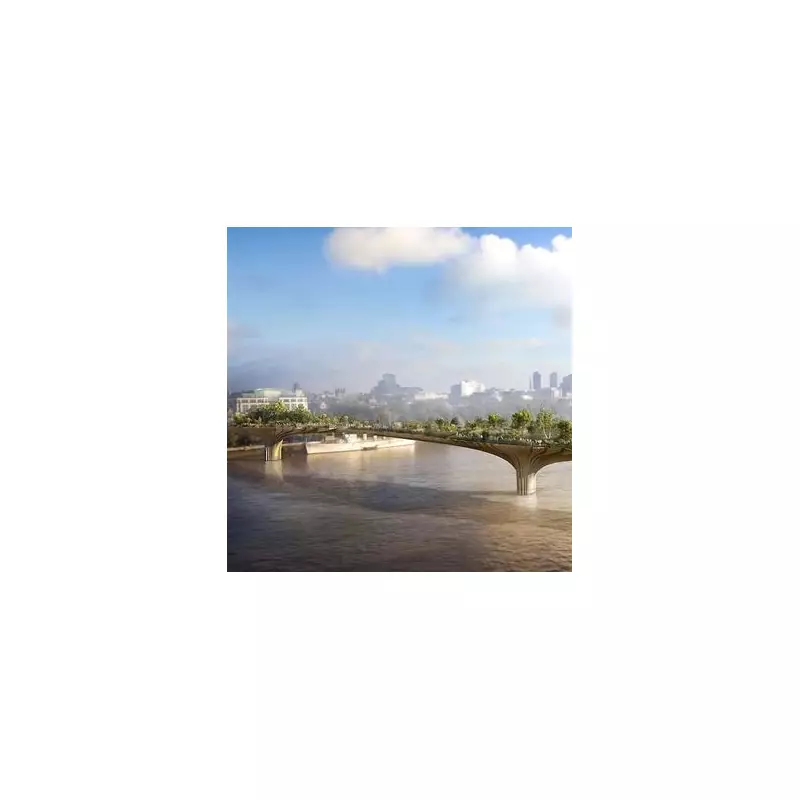
Across the United Kingdom, numerous ambitious tourist attractions were conceived with grand visions but ultimately abandoned before welcoming a single visitor. These projects, which could have transformed the British tourism landscape, fell victim to planning issues, soaring costs, and logistical nightmares.
The British Disneyland That Never Was
In the 1980s, an ambitious plan emerged to create a £346 million theme park in Corby, Northamptonshire, that promoters dubbed the 'British Disneyland'. WonderWorld was designed to breathe new life into a region devastated by the collapse of the local steelworks, which had cost 10,000 jobs.
The project aimed to transform an abandoned quarry into a massive entertainment complex inspired by Disney's Epcot. Plans included 13 themed villages, with the first six scheduled to open in 1992. Notable figures like naturalist David Bellamy and astronomer Sir Patrick Moore were involved in designing attractions.
The park promised a mix of educational exhibits and thrilling rides, including one designed by Monty Python's Terry Gilliam that would take visitors on a journey through the human body. Additional facilities included a 10,000-seat stadium and a resort complex with seven hotels offering 6,000 rooms.
Despite the grand vision, WonderWorld never materialised beyond a sign and wooden cabin. Planning delays and escalating costs caused backers to withdraw, and the site now hosts a housing estate with no indication of its almost-glorious past.
London's Garden Bridge Debacle
One of London's most expensive failures, the Garden Bridge project consumed £53.5 million of public and private funds without a single pillar being constructed. The pedestrian bridge, planned between Waterloo and Blackfriars bridges, was conceived as a 'floating paradise' of greenery and flowers.
Originally proposed by actress Joanna Lumley in 1998 as a tribute to Princess Diana, the project gained momentum in 2012 when Boris Johnson was Mayor of London. Planning permission was secured in 2014, but the project faced significant opposition from critics concerned about sight lines of St Paul's Cathedral and value for money.
A Transport for London inquiry revealed that £43 million of public money was wasted on the failed venture. Expenditures included £21.4 million in construction costs, £1.7 million in executive salaries, £161,000 on a website, and £417,000 on a gala event.
When Sadiq Khan became mayor, he ordered a review and subsequently withdrew support. The project was officially cancelled on August 14, 2017, having never broken ground despite the enormous financial investment.
Failed Theme Parks and Military Pyramids
The Trafalgar Square Pyramid represents one of Britain's earliest abandoned attraction concepts. In 1812, MP and soldier Sir Frederick William Trench proposed a 300-foot pyramid with 22 steps commemorating each year of the Anglo-French wars.
The structure would have dramatically altered London's skyline, standing only slightly shorter than St Paul's Cathedral dome. The plan included using discharged military personnel for construction, but only a scale model was ever created, which ended up in the Duke of York's residence.
More recently, the London Paramount Entertainment Resort promised to bring a major theme park to Swanscombe, Kent. Announced in 2012, the £2.5 billion project included Europe's largest indoor water park and themed areas including Spaceport and The Kingdom.
The project faced numerous setbacks, including when Natural England designated much of the planned site as a Site of Special Scientific Interest. After years of delays and scaled-back plans, the company behind the project went into administration, and in January 2025, the High Court ordered the company to be wound up, ending dreams of a British rival to Disneyland.
These abandoned projects serve as reminders that even the most ambitious visions can falter, leaving behind nothing but lost investments and unrealised potential in the UK's tourism landscape.




