Trekking the Roof of North Africa: A Journey to Morocco's Toubkal Peak
Hiking through the stunning Atlas Mountains of Morocco, the trek to Toubkal, North Africa's tallest peak at 4,167 meters, offers more than just breathtaking views. It reveals a valley in flux, where tourism, earthquake recovery, and traditional ways of life intertwine. Starting from the village of Imlil, the path winds through wooded slopes dotted with construction sites, some repairing damage from the 2023 earthquake, as the sounds of concrete mixers blend with birdsong and human voices.
A Guide's Perspective on Transformation
Hussein, a lifelong guide in this Moroccan valley, notes the shift from subsistence farming to tourism. "Most people here work in tourism now," he says, greeting a muleteer on the steep track. "Twenty years ago, everyone grew walnuts and subsistence food. Now we've still got walnuts, but we've also planted apple trees as a cash crop, leaving time for tourist work." When asked if all this change is good, he nods confidently, highlighting Morocco's youthful demographic advantage, with half the population under 30, fostering less nostalgia for the past.
Sacred Sites and Honest Encounters
As the ascent continues, hikers pass the holy shrine of Sidi Chamharouch, where cafes sell fresh orange juice and a nearly pristine river flows. However, discarded plastic bottles mar the scene, prompting Hussein and other guides to wade in and clean up, blaming "city people." One local shares a humorous anecdote: "My grandfather told me the shrine used to be an animal shelter, and they built the dome over a dead donkey." This bracing honesty is characteristic of Morocco, evident even in market haggling, where face-to-face negotiations lead to fair prices, as experienced when buying amlou, a mix of almonds, honey, and argan oil.
Kasbah du Toubkal: A Boutique Haven
The trek begins from the Kasbah du Toubkal, a gorgeous boutique hotel perched on a rock plug, a 15-minute walk from the nearest road. Once a citadel of a feudal chieftain, it fell into ruin before being revived in the 1970s by British traveler Mike McHugo, his brother Chris, and local guide Hajj Maurice. Transformed into a celebrated Moroccan haven, it hosts school and university groups, with Mike often found chatting in the dining lounge. After the 2023 earthquake, the Kasbah was rebuilt with modern amenities like a swimming pool and underfloor heating, while maintaining its convivial atmosphere and supporting girls' education in remote villages through a visitor levy.
Summit Ascent and Crowded Trails
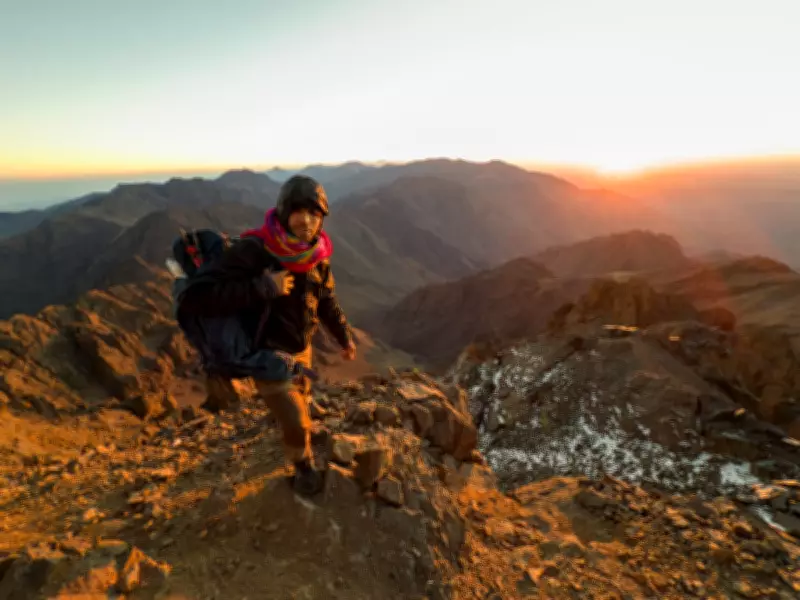
Reaching the overnight hut Les Mouflons, built to accommodate rising tourist numbers, Hussein acknowledges Toubkal's status as an Instagram peak. Pragmatically, he sees benefits: "Lots of guides and muleteers needed." For those seeking solitude, he suggests nearby peaks like Ouanoukrim, just a few meters lower and less frequented. At 4 a.m., the final ascent begins, with head torches illuminating the trail. Good boots, warm clothes, and fitness are essential, though no technical climbing is required. The summit, spacious enough for all, offers panoramic views of the Atlas range.
Alternative Routes and Historical Surprises
On the descent, Hussein leads to a rocky col and a scramble up to a 3,900-meter peak, where an aircraft engine is embedded in the rock. This marks a tragic piece of African history: in November 1969, a Lockheed Constellation crashed here while en route from Portugal to Biafra, Nigeria, killing all eight on board during a famine relief mission. Back at the Kasbah, the hammam provides blissful relief after the long trek, with Mike noting the earthquake-driven rebuild as an opportunity to align with the valley's evolving lifestyle.
Embracing Change in Imlil
In Imlil, change is evident with second-hand mountain gear for sale, yet traditions endure through woven rugs and amlou traders. Wandering through pine forests to a minor summit, the echoes of voices below highlight the dozens of secluded treks available. Reflecting on the journey, there's a sneaking regret at not choosing Ouanoukrim, a reminder for next time. This trek not only scales heights but also navigates the dynamic interplay of tradition and modernity in Morocco's heartland.