
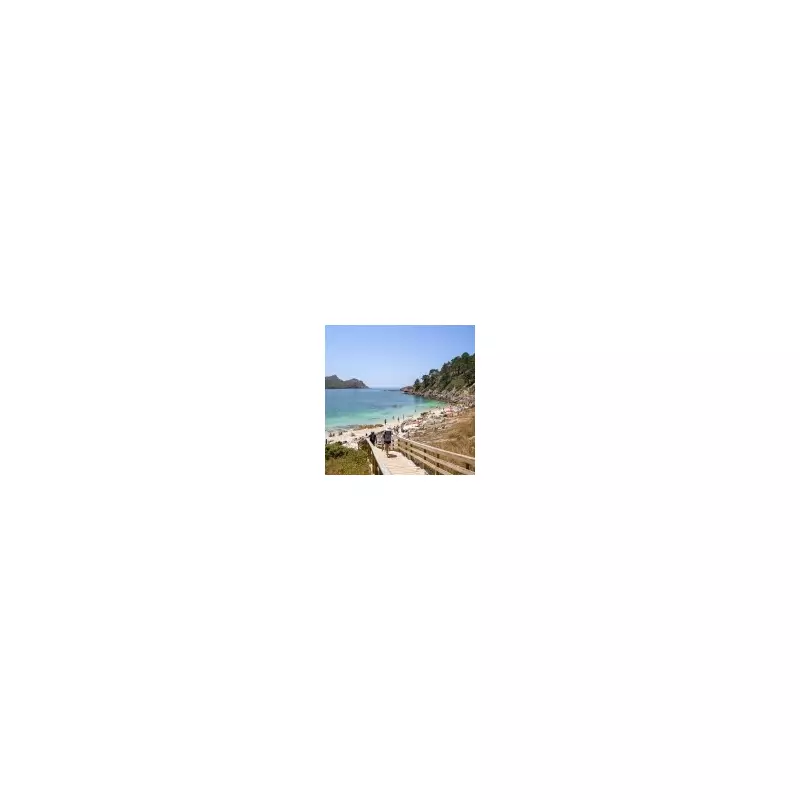
Spain's Best Kept Secret: The Cíes Islands
Imagine sparkling turquoise waters, dazzling white sand beaches, and year-round sunshine, all reminiscent of the Caribbean, but nestled off the coast of Spain. This is the reality of the Cíes Islands, a little-known archipelago that is fast becoming a haven for travellers seeking an unspoiled escape.
Located in the Atlantic, just a 45-minute boat ride from Vigo in Galicia, this 'truly magical' destination comprises three main islands: Monte Agudo, O Faro, and San Martiño. Forming part of the UNESCO-protected Atlantic Islands of Galicia National Park, the islands were once revered by the Romans as the 'islands of the Gods'.
A Protected Paradise
The remarkable preservation of the Cíes Islands is no accident. Since 2017, a strict cap on visitor numbers has been in place to protect its unique ecosystem. From 15 May to 15 September, only 1,800 visitors are permitted each day, a number that drops to just 450 daily for the rest of the year.
Before setting off, every visitor must obtain a QR code from the regional government's website and pay a ferry fee of €25 (approximately £21) for the return journey. This system was implemented to combat the strain of mass tourism, which saw thousands of daily visitors before the limits were introduced eight years ago.
This move towards sustainable tourism aligns with growing protests in other Spanish cities like Barcelona, where activists are highlighting the damaging effects of over-tourism, arguing it prices residents out of their own communities.
What to See and Do
The islands are a sanctuary for nature lovers. Home to fascinating birdlife such as gulls, cormorants, and shearwaters, the archipelago offers a pristine environment free from cars, motorboats, and hotels. The only ways to explore are on foot or by kayak.
A major highlight is Rodas Beach, which has been named one of the best in the world. This 700-metre stretch of silky white sand connects Monte Agudo to O Faro. For a more secluded experience, visitors can seek out Praia das Figueiras or Praia das Margaritas, both surrounded by tranquil trees.
Beyond the beaches, the islands feature rolling dunes, over 200 species of algae, and a rugged coastline perfect for diving and canoeing. The most popular attraction is the Faro do Peito lighthouse, built in 1904, which offers breathtaking views of the Costa da Vela.
Planning Your Visit
While there are no hotels, overnight stays are possible at the official campsite from Semana Santa (Easter week) through to the end of September. In 2024, pitching your own tent cost £17 per person per night, while pre-pitched ridge tents started from £63 per night with a two-night minimum.
Getting there requires a flight to mainland Spain. From London, direct flights are available from Stansted to Santiago-Rosalía de Castro in Galicia. The real bargain, however, is in the off-season; we found return flights for a remarkably low £31. From July to September, up to eight ferries a day depart from Vigo to the islands.
The best time for sun-seekers is summer, with August temperatures reaching 23°C. However, the climate remains relatively mild year-round, making it a compelling destination even in the cooler months.




