
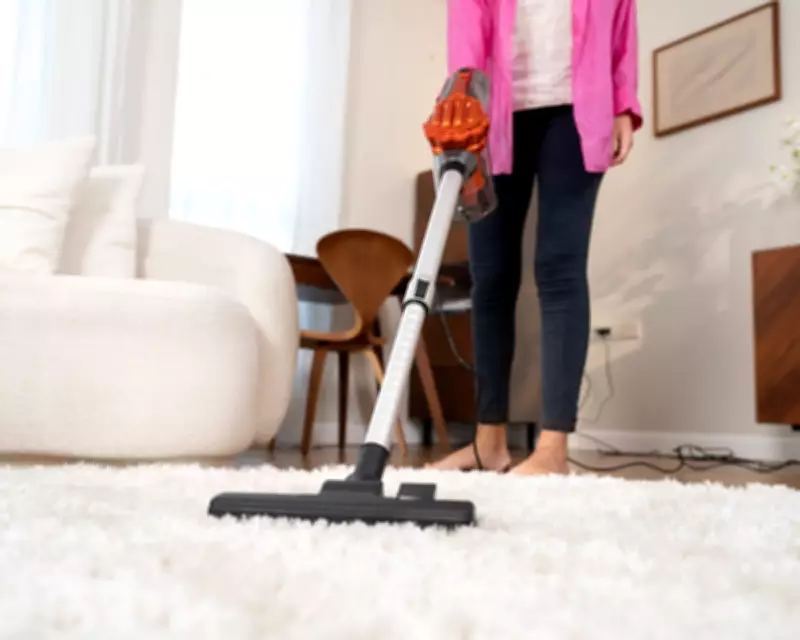
The Rise of Slow Vacuuming: A Mindful Approach to Cleaning
In an era where social media constantly introduces new lifestyle trends, one method has quietly revolutionized household cleaning routines. "Slow vacuuming" has emerged from niche online communities to become a global phenomenon, with proponents claiming it delivers superior cleanliness through deliberate, measured movements.
What Exactly Is Slow Vacuuming?
Unlike traditional quick passes over carpeted areas, slow vacuuming involves spending significant time on each section of flooring. Content creators demonstrate spending 20 to 30 seconds on small patches, effectively doubling total cleaning time but promising remarkable results. The method has gained particular traction on platforms like TikTok, where one March video alone garnered over 13 million views.
Queensland-based creator Amy Coulston, who shares cleaning tips with 94,000 followers, adopted the technique hoping to vacuum less frequently. Since purchasing her home and welcoming dogs including a border collie, she's become "very focused" on maintaining cleanliness. Coulston reports her carpet now feels lighter and smells fresher, leading her to slow vacuum her bedroom and living room rug weekly.
The Science Behind the Method
Adrian Lini, small appliance expert at consumer advocacy group Choice, confirms the basic premise: "Most people could probably slow down their vacuuming." He explains that vacuum cleaners need gentle, deliberate movement to properly dislodge and capture dirt particles.
Sean Stanley, operations manager at Butler Carpet Cleaning in Sydney, elaborates on the mechanics: "By taking your time, the head on the vacuum cleaner can properly agitate the fibres in the carpet, loosening dry particles so they can be sucked up. It's pretty straightforward really." Both experts recommend vacuuming both against and with the carpet pile direction to maximize dirt removal.
The Potential Pitfalls of Over-Vacuuming
Despite the method's popularity, Lini cautions against excessive slow vacuuming. He notes that online demonstrations often show "a crazy amount" of collected dust, but much of this material may actually be carpet fibers rather than dirt. "The carpet isn't like this indestructible thing," Lini warns, explaining that frequent aggressive agitation can cause premature fraying and breakdown.
Vacuums are designed to agitate carpets, but overdoing any method—including slow vacuuming—can accelerate wear. The key lies in balance and understanding that no vacuum can remove all embedded particles regardless of technique.
Expert Recommendations for Optimal Cleaning
Beyond the slow vacuuming debate, professionals offer universal cleaning advice. Stanley emphasizes maintaining clean vacuum filters for maximum suction power. Both experts stress the importance of preventive measures, with Lini noting: "The best thing people can do to keep their carpeted areas clean is to keep the dirt out in the first place—like taking off your shoes when you're at home."
They recommend regular but not excessive vacuuming, proper equipment maintenance, and addressing dirt at its source rather than relying solely on cleaning technology. As Lini summarizes: "No matter how good the vacuum is, it can really only get so far."
The slow vacuuming trend highlights how social media can popularize practical household techniques while also demonstrating the importance of balanced, informed approaches to home maintenance.




