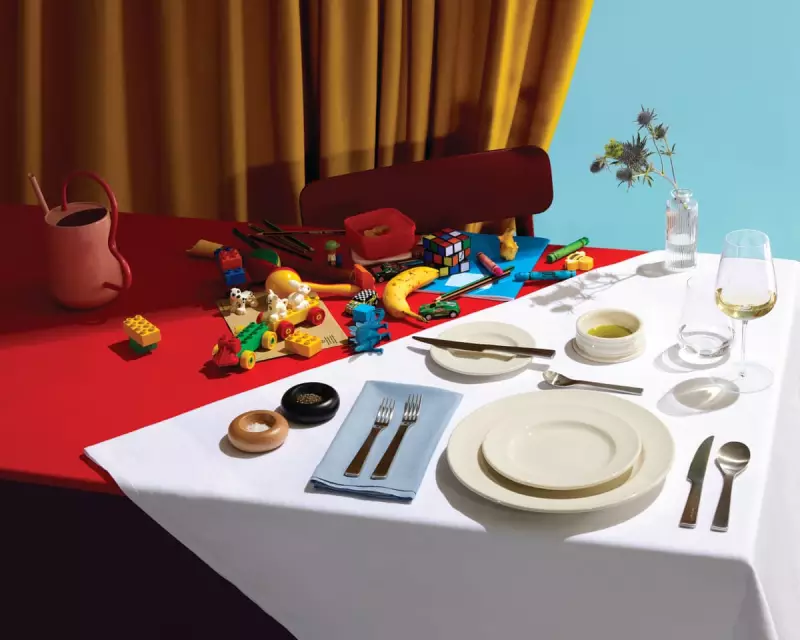
Have you ever wished you could recreate the magical atmosphere of your favourite restaurant in your own home? While mastering complex culinary techniques might seem daunting, leading UK restaurateurs reveal that transforming everyday meals into special occasions lies in mastering the finer details.
The Art of Table Setting
According to celebrated chef Skye Gyngell, it's the small touches that create lasting impressions and make diners feel wonderful. The foundation of any memorable meal begins with what meets the eye and hand.
Glassware makes a significant difference, with establishments like Restaurant Mýse outside York investing in Richard Brendon and Jancis Robinson collaboration glasses at £96 per pair. Co-founder Victoria Overington praises their universal design suitable for any wine type, noting their fine construction enhances aromas perfectly.
Meanwhile, Ruth Leigh of Updown farmhouse in Deal, Kent proves elegance needn't be expensive, using Ikea's Storsint range at just £12 for six glasses. Between these extremes, brands like Riedel, Nude, and Luigi Bormioli populate many upscale establishments, with the latter's fluted crystal glasses adding old-school glamour to London's The Dover for £40 per set of four.
Creating Atmosphere Through Senses
Beyond tableware, successful restaurants master multisensory experiences. At Inver in Argyll, bathrooms feature products from Glasgow's Caurnie Soaperie, while hand lotions incorporate kitchen flavours like black pepper and cardamom. The Dover developed bespoke sandalwood-scented candles available for £40, designed to hug diners with subtle fragrance.
Lighting proves crucial for evening ambiance. Grace and Savour restaurant in Warwickshire commissioned local ceramicist Sarah Jerath to create lampshades that emit a warm glow. Manchester's Winsome uses charity shop candlesticks with dripping wax to give each table personality, while Nest farmhouse in Norfolk combines pillar candles from London Candle Company (£7.49 for three) with vintage holders.
Soundscapes receive equal attention. The Dover plays nostalgic soul, jazz and funk from the owner's vinyl collection, while London's Mareida restaurant features custom tracks by Chilean producer DJ Raff using landscape recordings from Chile, available on Spotify.
Essential Finishing Touches
Quality olive oil serves as a restaurant staple for finishing dishes. Will and Harry Rolph's Two Fields olive oil from Crete (£18.50 for 500ml) has gained professional acclaim, with David Carter's London restaurant Oma using 100 litres weekly. Other recommended options include Trulli Ulivi from Puglia (£22.50) and Citizens of Soil oils from across the Mediterranean.
Cutlery choices reflect establishment personalities, ranging from Nest's mismatched vintage Sheffield steel to Lasdun's David Mellor London collection (48-piece set £888) and Quo Vadis's Arthur Price Baguette canteen (46-piece set £995).
Table linen adds another layer of sophistication. The Dover uses three custom-designed tablecloths from Dash Linen for practical and aesthetic reasons, while Jikoni in Marylebone sources bright, hand-blocked linens directly from women's cooperatives in India.
Beyond the Main Course
Even coffee and tea receive meticulous attention. Assembly provides bespoke espresso blends for London's Toklas, while Erst in Manchester serves filter coffee from a female-run Colombian co-op. The Rare Tea Company delights fine dining establishments with extensive selections, though some venues like Winsome stick with crowd-pleasing Yorkshire Tea.
Ceramics often feature local collaborations, such as Grace and Savour's off-green plates made with rhubarb leaf glaze and Sytch Farm Studios' fossil-impressed pieces from Cornish clay. Floral arrangements from York's Helston Street bring seasonal beauty to Mýse, while Updown grows its own cut flowers for weekly arrangements.
These expert insights demonstrate that recreating restaurant magic at home involves thoughtful attention to multiple elements beyond food preparation. By investing in quality tableware, creating appealing ambiance, and adding personal touches, home cooks can transform ordinary meals into extraordinary dining experiences that engage all the senses.