From Vow to Return: Rediscovering Fez After a Rocky Start
Published March 11, 2026. It was with my head firmly placed in a toilet bowl that I made a solemn vow: 'I am never coming back here again.' I had descended into what felt like the ninth circle of hell, otherwise known as severe Moroccan food poisoning. From the moment I stepped off the plane in Fez, I had a bad feeling. The welcome was far from ideal, with weather as terrible as it had been in the UK. Phrases like 'the worst rainfall in 40 years' were bandied about constantly. It was the start of a challenging trip, but now that my suitcase is unpacked and my digestive system has returned to normal, I am starting to wonder if I was the problem all along. With a few different decisions, my journey to Fez could have been transformed entirely.
The Allure of Morocco's Oldest City
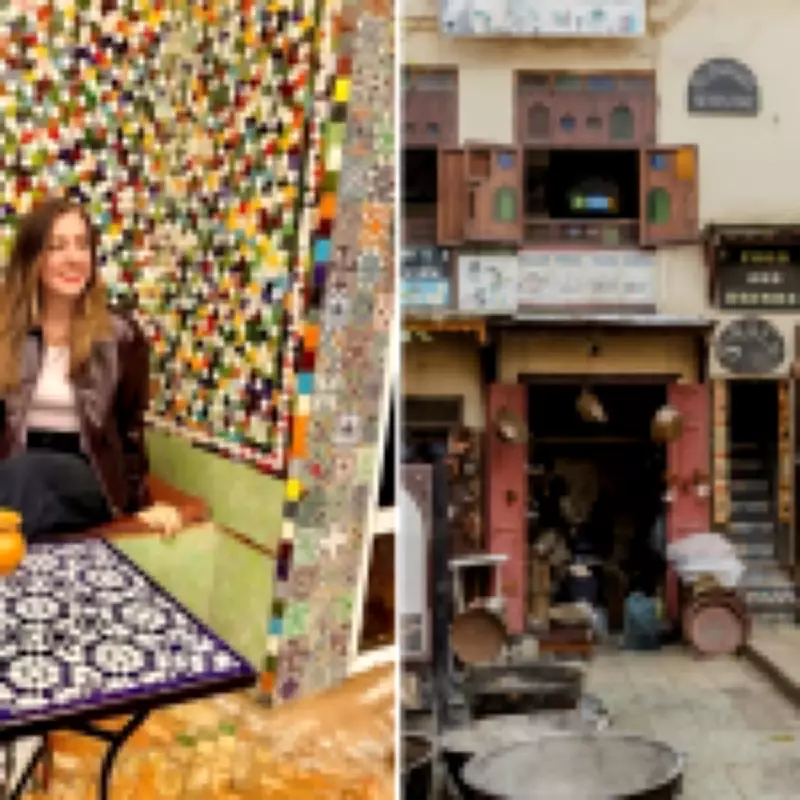
The truth is, there are plenty of compelling reasons to visit this one-of-a-kind destination. More than just the name of a tasseled cap, Fez is Morocco's oldest city, founded in 808 AD. In its heyday, it attracted creatives, philosophers, and scholars, serving as the country's capital on and off for roughly 800 years. The world's first university, built in 859 AD by a woman named Fatima al-Fihri, can also be found here. The streets are a kaleidoscope of colorful tiled mosaics, and the residents are fiercely proud of their heritage, welcoming tourists with open arms. Sadly for me, a series of unfortunate events conspired to put a dampener on my initial experience. So, here are my dos and don'ts for a holiday to Morocco's second city—it might just become your trip of a lifetime.
Do Explore the Medina
Fez is divided into three distinct areas: Fez el-Bali, also known as the Medina; Fez el-Jdid, the 'new' Fez that is still centuries old and home to the Jewish Quarter; and Ville Nouvelle, the most modern section built by French colonizers in the early 1900s. Of this trio, the Medina is surely the beating heart of the city. This labyrinth consists of 9,000 streets squeezed into an area equivalent to two Hyde Parks and is home to 150,000 residents. Brightly colored ceramics, shoes, and rugs spill out of shops, while the smell of extra-strength Moroccan coffee provides a buzz without a single sip. Market stalls sell local produce like mountains of figs, jars of olives, and piles of homemade flat bread fresh from communal ovens. Cats sit outside butcher stalls, eyeing live chickens unaware of their fate. As a UNESCO-listed site, the Medina is entirely pedestrianized, though you might need to step aside for the occasional donkey and cart. It is wonderfully chaotic and a little overwhelming.

To make the most of your time and avoid getting lost, book a walking tour. I joined the Fes: Museum, Al Attarine Madrasa & Tannery and Medina Tour, available through Get Your Guide, which was a bargain at just £10 per person for three and a half hours. Led by an expert guide, the tour covered sites such as the Nejjarine Fountain, the Chouara Tannery, and the Bou Inania Madrasa, a type of university. We also stopped for lunch at Palais Mnebhi, a 20th-century palace where the Treaty of Fez was signed and now a Moroccan restaurant frequented by celebrities like Madonna. For a more low-key option, head to Fez Cafe, a plant-filled terrace in the Medina offering local cuisine.

Do Enjoy Traditional Cuisine with a Cooking Class
The absolute highlight of my trip was a cooking class hosted by married couple Jessica and Mohamed at their home, Dar Sunrise, within the Medina. Originally from Hong Kong, Jessica met Mohamed while on holiday in Morocco 10 years ago, and it was love at first sight. As far as she knows, she is the only Hong Kong expat in Fez, living with Mohamed, his family, and their two-year-old daughter. The class began with head chef Yassin asking what we wanted to cook, while we enjoyed a delicious array of Moroccan biscuits—do not pass up the ghriba, a peanut shortbread. Next, we visited the market with Mohamed to buy ingredients, then returned to the kitchen to chop, slice, season, and sauté. Yassin and his sister made us feel useful while showcasing impressive skills. Moroccan music played as delicious smells emanated from tagines and pots on the stove, and there was even an impromptu dance break with garagab, iron castanets. The feast included vegetable tagine, tagine kafta with meatballs, lamb with fried eggplant, and the star of the show: a giant pastilla, a traditional savoury-sweet pie made with shredded chicken, spices, and almonds. Hygiene here was of professional standard, but to avoid food poisoning, steer clear of raw fruit and vegetables, ice in drinks, and undercooked eggs—the latter was my big mistake. Book the Fes Souk Tour & Traditional Home Cooking Class for £49 per person on Get Your Guide.
Do Go in the Spring
When I visited Fez in early February, I had hoped for winter sun. However, after seven years of drought, the city has welcomed unprecedented winter rain, a trend climate change experts predict could continue. Fez is not built for wet or cold weather; most tourist activities are outdoors, and homes are designed to keep people cool. Staff at my Riad valiantly dried tiled floors for safety, but there is little heating or insulation—my hotel mattress had two electric blankets. Whether lying in bed or eating at a restaurant, I was never warm enough, despite packing a big coat. Instead, I plan to return in spring when average temperatures reach a balmy 25°C.
Do Be Prepared for a Conservative City
Fez is widely regarded as more conservative than other Moroccan cities. While alcohol is not illegal and is available in upscale hotels and Ville Nouvelle, it is not widely served. You will likely notice that men and women do not mix much; after a morning in the Medina, I saw men chatting but few women doing the same. Since returning home, I have been asked about cat-calling. I did not experience it, but I dressed modestly and was accompanied by a male guide most of the time. On my flight home, a father mentioned his shock at the harassment his 23-year-old daughter received. These points are not necessarily reasons to avoid Fez, but it is worth knowing and deciding your comfort level before booking.
Don't Just Stay in the City—Go Further Afield
The city can be overstimulating, so if I return, I will take a break and explore further afield. A popular day trip is to Meknes, often described as a more laid-back alternative to Fez, featuring a Medina and Bab Mansour, a city gate larger than Fez's with an inscription claiming it is 'the most beautiful gate in Morocco.' This trip often includes Volubilis, an ancient city abandoned by the Romans around 300 AD and now a UNESCO-listed, well-preserved archaeological site. Another excursion is to Chefchaouen, Morocco's famous 'Blue City,' though travel time is around four hours each way. Nestled in the Rif Mountains, this artsy village is painted blue, a tradition believed to have started by Jewish refugees after WWII. Tourists flock here to wander its azure streets. Hikers can walk into the mountains or take a 30- to 45-minute car trip to Akchour, famed for its waterfalls.
Practical Information
Flights with Ryanair from London Stansted to Fez return start from £140. A deluxe room at Riad El Kadi/La Maison Bleue starts from £200 per night, while 5-star luxury at Hotel Sahrai begins at £278 per night. By learning from my mistakes and embracing these tips, you can turn a potential disaster into an unforgettable adventure in Fez.