Europe brims with captivating yet overlooked urban destinations that promise memorable getaways without the overwhelming tourist crowds. Among these hidden treasures lies Ostrava, the Czech Republic's third-largest city and the capital of the Moravian-Silesian region. This surprising gem combines rich history, dynamic culture, and remarkable affordability, making it an ideal choice for budget-conscious travellers seeking an authentic experience.
An Accessible and Budget-Friendly Destination
Ostrava's appeal is significantly enhanced by its exceptional value for money. Budget airline Ryanair offers flights from London Stansted to Ostrava for as little as £13, providing a cost-effective gateway to this fascinating city. Once there, visitors can enjoy local beers priced around £1.60 per pint, alongside affordable dining options that showcase traditional Czech, Moravian, and Silesian cuisine. This combination of low travel costs and reasonable living expenses positions Ostrava as a standout destination for economical European city breaks.
Where Historic Charm Meets Modern Adventure
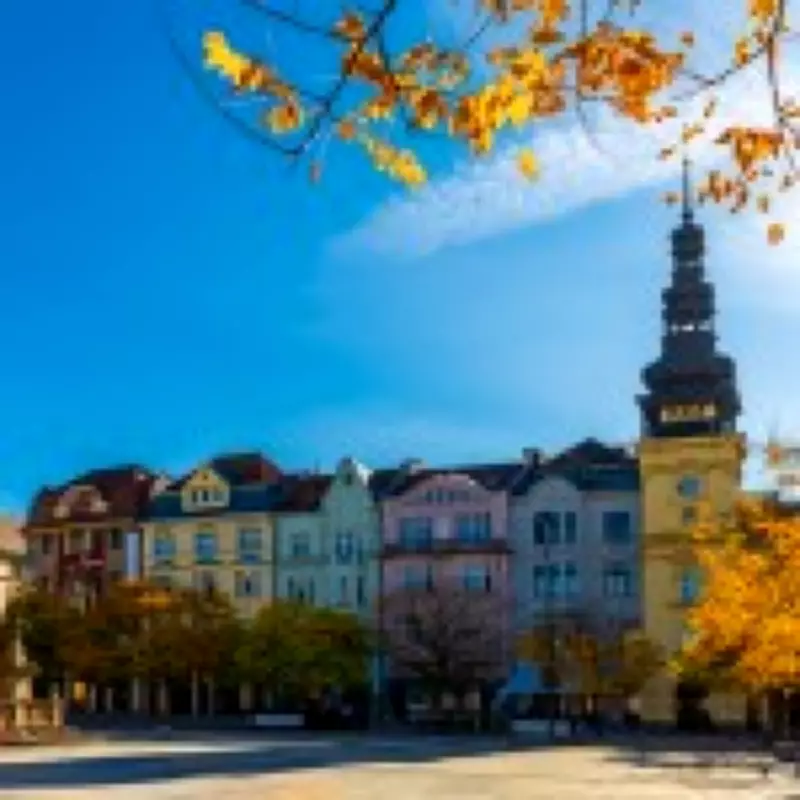
The city's architectural landscape beautifully illustrates its layered past. Masaryk Square serves as the bustling central hub, surrounded by historic buildings, cosy cafes, and vibrant shops. Notable landmarks include the 19th and 20th-century Old Town Hall, which hosts exhibitions tracing Ostrava's history from the 1200s to 1989, and the Baroque-style Marian Plague Column, originally sculpted in the 1700s. The 19th-century Cathedral of the Divine Saviour, the second largest Roman Catholic cathedral in Moravia and Silesia, further enriches the city's historic core.
Beyond the traditional city centre, Ostrava offers thrilling contemporary activities. Approximately 45 minutes away by car, Pustevny features Europe's longest skywalk without steel handrails, alongside a substantial children's playground and a unique 'sky bike' course that simulates cycling amidst the treetops. Outdoor enthusiasts can also enjoy rafting and kayaking along the Ostravice River, hiking trails accessible via chairlift, and exploring Ema Heap, an artificial hill formed from mining waste that steams year-round due to internal combustion.
A Rich Industrial Heritage
Ostrava's identity is profoundly shaped by its industrial legacy, earning it the nickname 'the steel heart of the republic'. During the 19th century, the city emerged as a major coal mining hub before evolving into a significant iron and steel production centre, largely driven by the Vítkovice Ironworks. Although the mines closed in the mid-1990s, Ostrava proudly preserves this working-class heritage through sites like the UNESCO-listed Dolní Vítkovice complex. This former industrial area has been transformed into an expansive educational, artistic, and social centre, with family tickets to the National Monument, including tours of the Bolt Tower and ironworks, costing approximately £25.05.
Another remarkable preservation is the Michal Mine, one of Europe's best-maintained coal mines. Here, visitors experience an authentic miner's daily routine, exploring original locker rooms, lamp rooms, machine halls, and underground spaces exactly as they were left on the final shift. For those intrigued by the city's grittier past, The Sinful City guided tour reveals stories of vice, nightlife, and social extremes that once defined Ostrava's reputation.
Vibrant Cultural Transformation
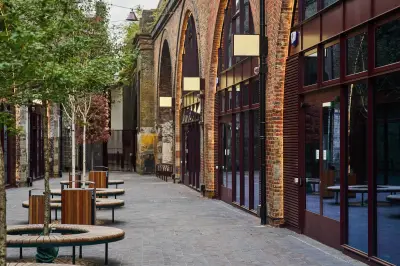
Ostrava has undergone a remarkable cultural renaissance in recent years. PLATO Ostrava, a contemporary art gallery housed in a former slaughterhouse, exemplifies this shift, where raw industrial architecture provides a dramatic setting for innovative exhibitions. The city has also become an unexpected street-art hotspot, with large-scale murals adorning former industrial districts.
The cultural calendar highlights include the annual Colours of Ostrava music festival, held from 15 to 18 July in the Dolní Vítkovice industrial area. This multi-genre event attracts major international artists across jazz, electro, and rock, with 2026 headliners like Lorde and Moby. Two-day tickets are priced at £115, while four-day passes cost £163. Additionally, the Beats for Love festival stands as Central Europe's largest electronic music festival, featuring global DJs and artists dedicated to street art, digital art, and audio-visual art, with four-day tickets available for £118.
Culinary Delights and Urban Nature
Ostrava's dining scene offers a delightful mix of traditional and international flavours at accessible prices. Establishments like the European HogoFogo Bistro receive high praise for dishes such as celery chips and pulled beef with dumplings and tomato sauce, with main courses averaging around £13 per person. Zámek Zábřeh Restaurace is another favoured spot, renowned for its delicious house beer and local Czech specialities like sirloin in cream sauce.
For natural escapes within the urban environment, Ema Heap provides a unique climbing experience with panoramic city views. The Ostravice River walkway, starting in Komenský Sady and passing landmarks like the New City Hall and a Cold War tank memorial, offers a relaxed atmosphere reminiscent of Copenhagen, complete with summer bars along the water.
Gateway to Central European Exploration
Ostrava's strategic location near the Polish and Slovak borders makes it an excellent base for broader regional travel. Kraków in Poland, a UNESCO World Heritage city known for its historic Old Town, 13th-century fortress, and Jewish Quarter, is just a two-hour train journey away, presenting opportunities for combined city breaks that enhance Ostrava's appeal as a travel hub.