Morocco's Hidden Gem: Imlil's Berber Village Where Community Comes First
While Marrakech's airport arrivals hall delivers a sensory bombardment of honking horns, shouting drivers, and queues of travellers, a different Morocco awaits just a drive away. Heading in the opposite direction from the 'Red City' leads to Imlil, a tranquil Berber village nestled in the foothills of the High Atlas Mountains that feels worlds apart from the country's bustling tourist hubs.
A World Away from Modern Tourism
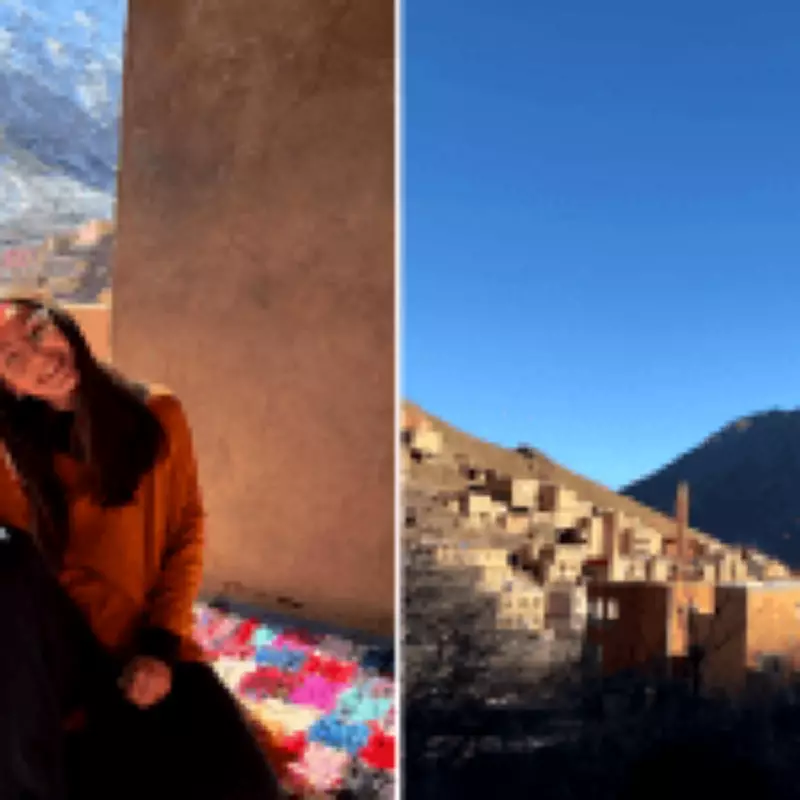
Life in Imlil remains beautifully simple, with no chain stores or modern coffee shops to disrupt the peaceful atmosphere. Instead, visitors find fresh mountain air, traditional mud-brick homes, and rolling fields of walnut and cherry trees stretching toward snow-dusted peaks. Remarkably, electricity only arrived in this community in 1997, preserving a way of life that has endured for generations.
The journey to Imlil winds through the High Atlas' orange rock-strewn slopes, where a wall of heat gives way to cavernous gorges and breathtaking vistas. This Mars-like plateau, stretching 2,500km across northwestern Africa, once harboured ancient caravan routes that saw enslaved people and goods transported by camel from northern Morocco across the Sahara to Niger and Sudan well into the 19th century.

Time Stands Still in the Valley
Time marches on globally, but it has almost stood still in this valley that serves as the main base for tourists climbing Mount Toukbal, North Africa's highest peak at 4,160 metres. For comparison, Britain's Ben Nevis measures just 1,345 metres. The village's dusty streets, humbling mountain views, and famous Berber hospitality raise an important question: is Imlil about to become Morocco's next big tourism destination, and do the people who call it home truly want that development?
Community-First Hospitality
The Kasbah du Toubkal provides a perfect example of Imlil's unique approach to tourism. This award-winning lodge, opened in 1995 by Surrey-born Mike McHugo and his former mountain guide Omar Ait Barmed, exists to serve the local community first, with tourists coming second. All 34 staff members come from neighbouring villages, and the rooms are built using traditional Berber techniques with local materials like mud, wood, and adobe.
At reception, a mule waits to carry guests' bags up the mountain, while the Kasbah's terracotta walls, ornately wood-crafted doors, and uneven stone paths blend seamlessly with the landscape. The accommodation brings the outside in through 12-metre glass walls capturing sweeping mountain panoramas, complemented by bamboo ceilings, oak furniture, and fossil-marbled bathrooms.
A Model of Responsible Tourism
'Everyone's got to gain from what you're doing in another country, you cannot keep it all for yourself,' explains co-founder Mike McHugo. True to this philosophy, all Kasbah guests pay a 5% fee on top of their bill that goes directly to the Imlil Community Association. This funding has established the village's only ambulance service, created a rubbish disposal system, and supported education programmes for women and girls.
Omar Ait Barmed, often clad in a dark emerald tadjellabit (a traditional Berber robe), emphasises that 'The Kasbah is not for money. It is for the people. Both the people who travel here, and the people of Imlil.' This commitment was tested when a devastating earthquake struck the valley in September 2023, destroying buildings including the Kasbah itself. Omar and Mike rebuilt not only their lodge but also local schools and their employees' houses.
Environmental Challenges and Cultural Preservation
Berber guide Mohammed, who knows the land he was raised on intimately, observes warning signs for the community's future. 'For five years, we have had much less snow. This means we rely on tourism more, because there are less crops.' This increasing dependence on visitors comes as Morocco's tourism has surged since 1999 when King Mohammed VI transformed the industry through investments in coastal resorts, airport upgrades, and expanded transport networks.

Elsewhere in Morocco, success has brought challenges. A 2024 report ranked Marrakech among the world's most overcrowded travel hotspots, worse per capita than Paris or Rome. Rapid growth has led to increased pollution, water scarcity, and overdevelopment in coastal and urban areas, with mass tourism often failing to benefit local communities while pushing rents up and pricing out residents.
Authentic Experiences in Imlil
While Imlil surprisingly offers good phone signal at the Kasbah, there are no televisions and only patchy WiFi, encouraging genuine disconnection. Beyond hiking – the region's primary attraction – visitors can browse authentic souvenir shops in Imlil town, visit the transcendental waterfalls audible from the hotel, or arrange visits to Berber homes.
One such experience involves trekking to Armed, the largest and highest village in Imlil at 2,000 metres, home to 1,800 of the area's 6,000 residents. In neighbouring Arghen, a tiny hamlet, visitors might meet Sayeed and Fatima – just 13 days from turning 100 – who welcome guests into their stone-walled home. Fatima, who speaks only the Berber language Amazigh, communicates through her henna-coated hands as she demonstrates how to make chicken tajine and traditional Tafarnout bread.
A Culture of Community
'When one person in Imlil dies, people from all villages mourn,' Mohammed explains. 'Here, it is a slow life.' This sense of community extends to tourism, where the attitude remains overwhelmingly positive. Beyond the economic benefits, Mohammed notes that hosting represents an integral part of Berber tradition, with locals genuinely wanting to share their culture and history.
Descending the mountain, Mohammed might take a visitor's hand for support, creating moments of genuine connection. The proudest moment for many travellers comes when their guide occasionally loses footing and chuckles 'you saved me' – a small exchange that captures Imlil's spirit of mutual support.
The primary takeaway from Imlil remains its profound sense of community, something to be both admired and inspired by. For those fortunate enough to be welcomed into this world, the appropriate approach is to leave nothing but footprints while carrying away memories of a different way of living, where people and place remain deeply connected.