
Marseille's Winter Transformation: From Summer Hotspot to Year-Round Gem
If your social media feeds have been anything like mine, you'll have noticed Marseille emerging as Europe's must-visit destination this year. This captivating port city in southern France combines the creative energy of Berlin with the anarchic spirit of Athens, while offering Miami's stunning blue waters and diverse cultural mix.
Londoners might picture it as a coastal version of Dalston or Hackney Wick, but with considerably better weather. As France's oldest city, founded by Greek settlers approximately 2,600 years ago, Marseille boasts a rich history shaped by centuries of migration, creating a unique bridge between Europe and Africa.
Affordable Mediterranean Escape
For British travellers weary of Parisian prices, Marseille provides welcome financial relief. The average daily spend here is around £88 (€100), significantly less than the £130-£175 you'd typically spend in the French capital. A meal at a mid-range restaurant generally costs under £18 (€20), making fine dining accessible without breaking the bank.
Better still, you can fly there for as little as £38 return this winter, with Ryanair operating direct flights from London Stansted. The city enjoys almost year-round sunshine, with autumn and winter temperatures hovering between 20°C and 25°C – perfect for exploring without the summer crowds.
Beyond the Reputation: Marseille's Renaissance
Marseille has historically battled a reputation as France's 'most dangerous city', but recent visitors report a very different reality. While challenges exist, as in any major city, the problematic areas are mainly confined to northern neighbourhoods that tourists rarely visit.
The city has undergone significant transformation driven by major investments for sporting events including the 2023 Rugby World Cup and 2024 Olympics. These brought state-of-the-art facilities like the new nautical stadium and upgrades to the Stade Vélodrome, giving Marseille a fresh, revitalised atmosphere.
As local resident Gaëlle explains: 'I've lived in Paris and London, and it's different here. You take the bus, you sit for a coffee, and there is always someone next to you who wants to talk; who actually wants to listen. It's special.'
Winter Activities and Cultural Treasures
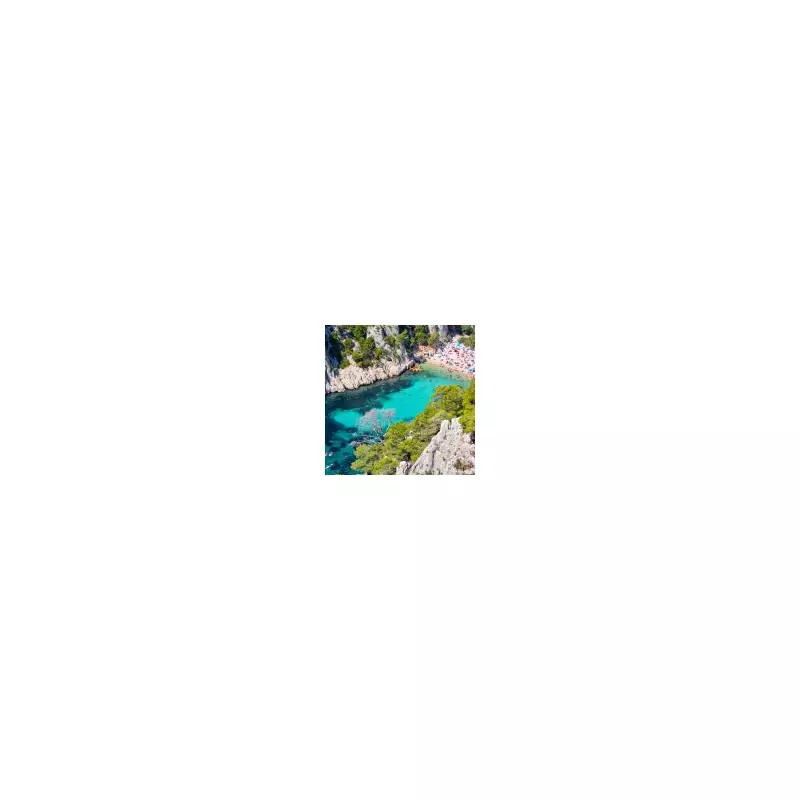
From October onwards, Marseille becomes more manageable and even more enjoyable. The sea remains warm enough for swimming in the calanques – the stunning rocky coves stretching from the city along the Calanques National Park towards Cassis.
Culture enthusiasts will find an impressive array of museums including:
- MuCEM for architecture and sea views
- MAUMA for emerging street art
- La Cité Radieuse, a visionary mini-city that must be seen to be believed
Food lovers can explore a smorgasbord of restaurants serving Senegalese, Ghanaian, Tunisian, and Moroccan cuisine alongside local French specialities.
Europe's Best Thrift Shopping Destination
Marseille has emerged as Europe's premier destination for second-hand fashion, with shops like Digger Club, Out of Space, Kitsch and Bobby offering beautifully curated vintage finds at remarkably affordable prices.
The city's multicultural population, dominated by Parisian newcomers and diaspora communities from former French colonies, has created a treasure trove for vintage enthusiasts. Recent research from tourism analysts Bókun shows market and shopping tours have become the second most popular travel activity, only behind traditional sightseeing.
This trend towards 'thrift-tripping' aligns with broader sustainability concerns in tourism, with 93% of travellers expressing interest in making more sustainable choices according to Booking.com.
With its combination of affordable luxury, cultural richness and perfect winter climate, Marseille represents the ideal European getaway for British travellers this season. As the tourism board's Anne Dallaporta notes: 'We have too many people coming in the summer, and we need them to come in winter, too.' Now might be the perfect time to discover why.




