
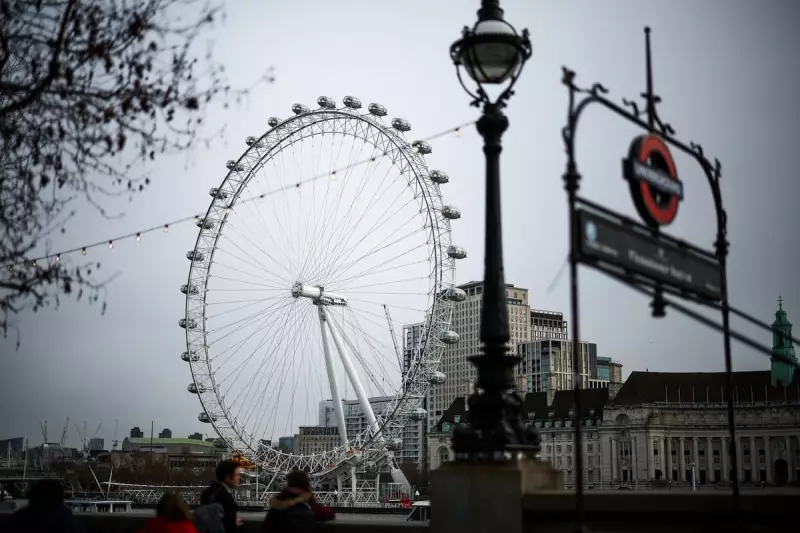
The Mayor of London, Sadiq Khan, has given a cautious welcome to reports that he will soon be granted the authority to impose a tourist levy on visitors staying overnight in the capital. This significant shift in policy is expected to be delivered through the English Devolution and Community Empowerment Bill, currently progressing through Parliament.
Chancellor Rachel Reeves is anticipated to formally announce the move in the coming months, empowering Sir Sadiq and other civic leaders. The Mayor has been a vocal advocate for such devolved powers, with estimates suggesting a modest charge could generate up to £240 million each year for London, which welcomed a staggering 89 million overnight stays in 2024.
How Would a London Tourist Tax Work?
Currently, England stands alone in the G7 as the only nation where the national government prevents local authorities from implementing tourist levies. This contrasts with Scotland and Wales, which have recently introduced their own versions. Scottish local authorities can set a levy as a percentage of the accommodation bill, while Welsh authorities will be able to collect £1.30 per night from visitors starting in 2026.
A recent briefing from the Centre for Cities thinktank, commissioned by the Greater London Authority (GLA), explored how such a tax could function in London. The report examined models used in other major G7 cities like Paris, New York, and Tokyo.
New York City and Toronto use a percentage rate levy, with New York raising approximately £493 million annually. Tokyo employs a single flat fee, though it raises significantly less despite higher visitor numbers. The authors suggested London would be better suited to either a percentage or flat fee system, as the UK lacks the statutory national hotel 'star' system used in France and Italy to determine tax levels.
Economic Impact and Visitor Response
Concerns that a levy would deter tourists appear unfounded according to research. The Centre for Cities briefing concluded that London is unlikely to see a significant drop in visitors with a levy comparable to other primary cities, as travellers are less sensitive to such costs in popular destinations.
Andrew Carter, Chief Executive of Centre for Cities, told the Local Democracy Reporting Service: “It’s welcome that the Government is considering giving London and other big cities the power to implement a tourist levy. Many Londoners have paid this kind of levy on their own trips to European cities such as Barcelona, Milan or Paris. London is the largest city in the G7 without one.”
A key benefit would be the Mayor's control over the tax rate and use of revenues, allowing for swift adjustments in response to visitor patterns. Toronto, for example, increased its rate ahead of next year’s World Cup in North America.
The Road Ahead for London's Levy
While the Mayor's office has welcomed the proposed changes, a spokesperson stated they would not comment on “speculation” and would await formal confirmation before making concrete preparations. The spokesperson added: “The Mayor has been clear that a modest tourist levy, similar to other international cities, would boost our economy, deliver growth and help cement London’s reputation as a global tourism and business destination.”
If a London-wide levy is introduced, it could potentially replace local initiatives. Richmond Council, for instance, is already exploring creating an Accommodation Business Improvement District (ABID) for its borough. A Ministry of Housing, Communities and Local Government spokesperson noted that places can already choose this model.
Mr. Carter emphasised that for the tax to be truly effective, revenues must go to local government – ideally split between City Hall and the boroughs – and not be ring-fenced by central government. This would give local leaders a direct incentive to grow London's visitor economy, generating more revenues and jobs for the capital.




