The Japanese city of Fujiyoshida has made the surprising decision to cancel its renowned cherry blossom festival, citing concerns that the event has become too successful in attracting tourists. The annual Arakurayama Sengen Park Sakura Festival, which typically runs in early April to coincide with the blooming of iconic pink cherry blossoms, will not take place this year after a decade of operation.
Mayor Prioritises Resident Welfare Over Tourism
Fujiyoshida mayor Shigeru Horiuchi announced the cancellation with a clear statement about protecting local residents. "My first priority is to protect the living conditions and dignity of all of our city's residents," Horiuchi declared. "For that purpose, we have made the decision, after 10 years, to bring the Sakura Festival to an end."
The festival was originally launched ten years ago specifically to draw more visitors to the city, located approximately 62 miles west of Tokyo. However, the very success of this initiative has created significant problems for local inhabitants.
Social Media Fame Creates Tourist Overload
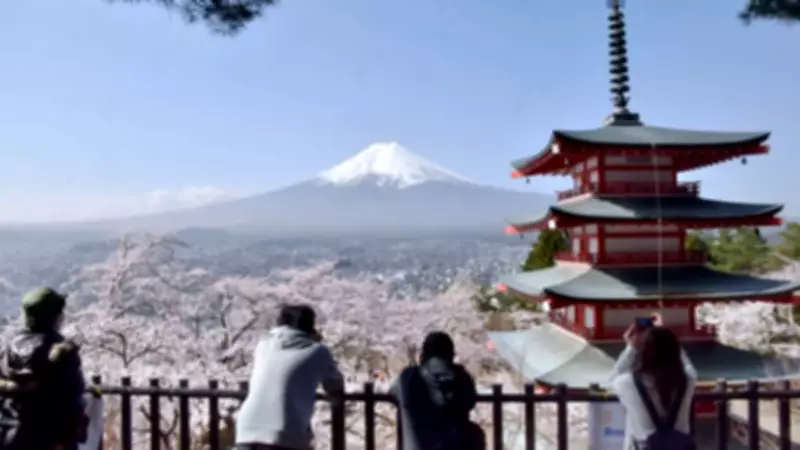
A particular vantage point in Arakurayama Sengen Park has gained tremendous popularity on platforms like Instagram, where visitors share stunning photographs of a five-story pagoda framed by cherry blossom trees against the backdrop of snow-capped Mount Fuji. This picturesque scene has drawn increasing numbers of tourists each year, with visitor queues often snaking down the hillside during peak periods.
Mayor Horiuchi expressed the complex relationship residents have with their famous landmark: "For the city of Fujiyoshida, Mount Fuji is not just a mere tourism resource, but a part of our lifestyle. However, the flipside of that beautiful scenery is that our residents' peaceful lifestyles are being threatened."
Resident Complaints Prompt Drastic Action
Local residents have reported numerous issues caused by the tourist influx, including:
- Severe traffic congestion throughout the city
- Littering, particularly of cigarette butts in public areas
- Tourists trespassing on private property without permission
- Inappropriate behaviour including urination and defecation in residents' gardens
These complaints have created what the mayor describes as "a crisis situation" for the community's quality of life.
Japan's Broader Tourism Challenge
Fujiyoshida's situation reflects a wider trend across Japan, where tourism numbers have soared to unprecedented levels. According to figures from the Japan National Tourism Organisation, visitor numbers reached more than 39 million in 2025, up from nearly 37 million in 2024.
This tourism boom has been partly propelled by favourable currency conversion rates resulting from the weakening Japanese yen, making the country more affordable for international visitors. Many Japanese destinations now face similar challenges of overtourism, with some implementing measures like:
- Erecting view-blocking barriers at popular photography spots
- Introducing entry fees for previously free attractions
- Capping daily visitor numbers at sensitive locations
Festival Cancellation May Not Solve Problem
City officials acknowledge that simply cancelling the festival may not be sufficient to deter tourists from visiting Arakurayama Sengen Park during the spring cherry blossom season. The park's natural beauty and photogenic qualities will likely continue to attract visitors regardless of organised events.
This situation presents a difficult balancing act for destinations worldwide that seek economic benefits from tourism while protecting residents' quality of life. Fujiyoshida's decision represents a significant shift from actively promoting tourism to prioritising resident welfare, setting a notable precedent for other communities facing similar overtourism challenges.