The recent announcement by UNESCO, adding Italian cuisine to its list of intangible cultural heritage, confirmed what the world already knew: Italy's relationship with food is profound, communal, and deeply woven into its national identity. The designation celebrates cooking as a "communal activity" shared across generations, a fact evident in every market and trattoria from the Alps to Sicily.
A Celebration of Regional Pride
In Italy, culinary passion is universal, not confined to any social class. It's a land of intense local pride, where specialities change from one valley to the next. From festive breads to preserved fish, here is a selection of six exceptional regional delights and where to find them.
Verona's Golden Star: Pandoro
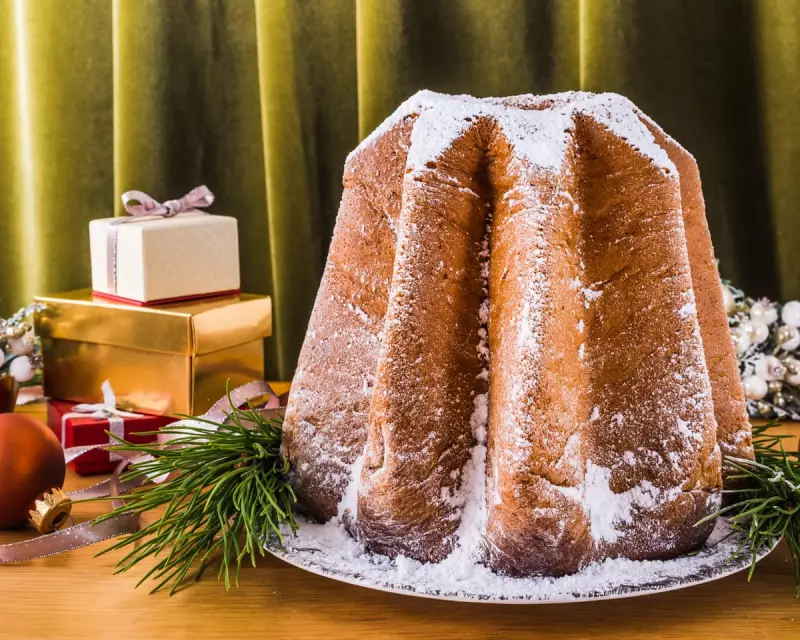
While panettone dominates many Christmas tables, in Verona the festive star is pandoro. This soft, leavened cake is baked in a distinctive star-shaped mould and dusted with icing sugar to mimic snowy Alpine peaks. It is a factory-made version of the older, round offella, a sourdough cake matured for days for a denser texture and often topped with almonds. For the authentic experience, visit Antica Offelleria Verona, which uses a sourdough 'mother' starter over a century old.
Umbria's Lentils of Prosperity
New Year's Eve in Italy demands a dish of lentils, their coin-like shape symbolising wealth for the coming year. The finest are the small, tender lentils from the high Castelluccio di Norcia plain in Umbria. The area, still recovering from the 2016 earthquake, welcomes visitors warmly. Enjoy a traditional sausage and lentil dinner at Granaro del Monte near Norcia's basilica, which reopened recently.
Puglia's Creamy Burrata
Ubiquitous on menus worldwide, luxurious burrata has humble origins in early 1900s Puglia. Snowed in and unable to sell milk, the Bianchino brothers mixed cream with mozzarella scraps, creating the soft-filled cheese pouch. For the freshest experience, it must be eaten within 24 hours. Head to the outskirts of Andria to Caseificio Olanda, which includes a milk museum, for exceptional burrata and mozzarella.
Sardinia's Shepherds' Bread: Pane Carasau
Resembling a large poppadum, pane carasau is a crispy, double-baked flatbread, also called carta musica (manuscript paper). One of Europe's oldest breads, with traces found in 3,000-year-old excavations, it was designed to last for shepherds. Enjoy it simply with olive oil and salt, or topped as a meal. Sunalle bakery in Fonni has made it for generations, while Panefratteria in Cagliari serves it with tomato, pecorino, and a poached egg.
Calabria's Sweet Red Tropea Onions
The sweet red onions from Tropea in Calabria, possibly introduced by the Phoenicians, are so mild they can be eaten raw. Their sweetness comes from a natural lack of pungent pyruvic acid. Find them from May onwards at Tropea's Saturday market. Beyond salads, try them stewed with oil, salt, and chilli in a cipollata calabrese.
Lombardy's Preserved Fish: Missoltini
From Lake Como comes missoltini, a preserved freshwater fish akin to anchovies. Agoni shad are salted, dried, and packed in barrels with bay leaves. Traditionally grilled with polenta, they can be strong for modern palates but add a powerful umami kick to pasta, risotto, or crostini. Da Ceko in Lecco serves an excellent pumpkin salad with raisins and missoltini.
These six specialities are just a glimpse into the vast, regionally diverse tapestry of Italian food, now rightfully honoured by UNESCO. Each tells a story of place, history, and community—the very essence of Italy's living culinary heritage.