
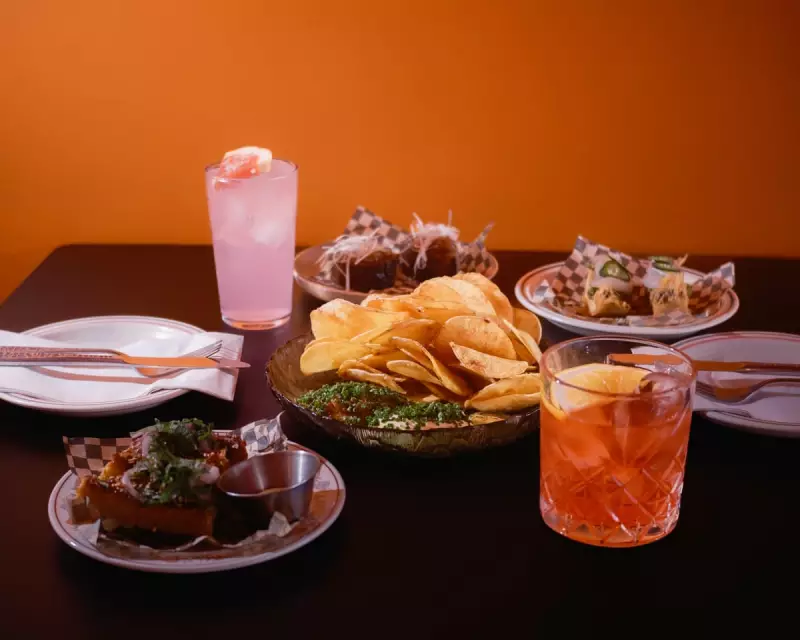
Britain's restaurant landscape is undergoing a delicious transformation, with snack menus becoming the unexpected stars of dining experiences nationwide. What began as simple bar nibbles has evolved into a culinary movement where chefs showcase their creativity in bite-sized portions that often become signature dishes.
The Snack Revolution Takes Hold
From east London to Bristol and Manchester, no self-respecting restaurant now opens without an innovative snack menu. Elliot's in Hackney exemplifies this trend with its legendary Isle of Mull cheese puffs – plump, gooey croquettes filled with Scottish cheddar and comté that have remained on the menu since around 2012. Co-owner Samantha Lim describes these accidental creations as bringing "so much joy" and being "a warm hug as soon as you open your mouth."
The phenomenon extends far beyond traditional pub fare or Michelin-starred canapés. At Carbone in Mayfair, diners find bowls of bread, charcuterie and crudités, while nearby Lilibet's offers tuna loin gildas and anchovy eclairs. Bristol's Other restaurant serves chicken and sesame toast with brown crab and hot sour mayo, and Manchester's Pip features dedicated snacks including cheese gougères and split-pea chips with mushroom ketchup.
Why Snacks Are Dominating Menus
According to experimental psychologist Charles Spence, several factors drive this snack revolution. The Ozempic generation might prefer smaller portions while still dining out, while the general shift towards informality in dining culture plays a significant role. Salty snacks like anchovies make us thirsty, and fried items help waft delicious scents around dining rooms, enhancing the overall experience.
Zak Hitchman, chef and co-owner of Other in Bristol, notes that "snacks have a more informal vibe compared with starters and small plates" while acknowledging their relationship to canapés. The distinction lies in portion size and experience – snacks represent a one or two-bite situation where diners get the complete essence of the dish immediately, whereas small plates involve more discovery with different components.
Economic and Social Drivers
The post-Covid dining landscape has accelerated the snack trend, with people eating more in group settings where snacks serve as effective ice-breakers. As purses tighten while appetites remain, snacks offer an affordable way to experience multiple flavours and textures. They're often at the cheaper end of the menu scale, allowing diners to sample a chef's creativity without committing to full courses.
For restaurants, snacks provide vital economic benefits. They can be high-margin items, particularly when using cheaper ingredients or offcuts. At Elliot's, pork cuts not used for larger dishes become pork crackling snacks, while Other uses leftover brown crab meat from crab cakes in their chicken and sesame toast accompaniment.
The flexibility snacks offer benefits both restaurateurs and diners. During peak times, full meals are preferred, but at quieter periods, restaurants welcome guests enjoying just snacks and drinks. Establishments like Maré in Hove and Other are creating dedicated snack-focused bar areas, allowing neighbourhood residents to sample their offerings casually.
Ultimately, snacks represent more than just food – they're about fun, socialising and accessibility in Britain's evolving dining culture. As Hitchman perfectly summarises: "They can just be a great and enjoyable way of trying a restaurant's food."




