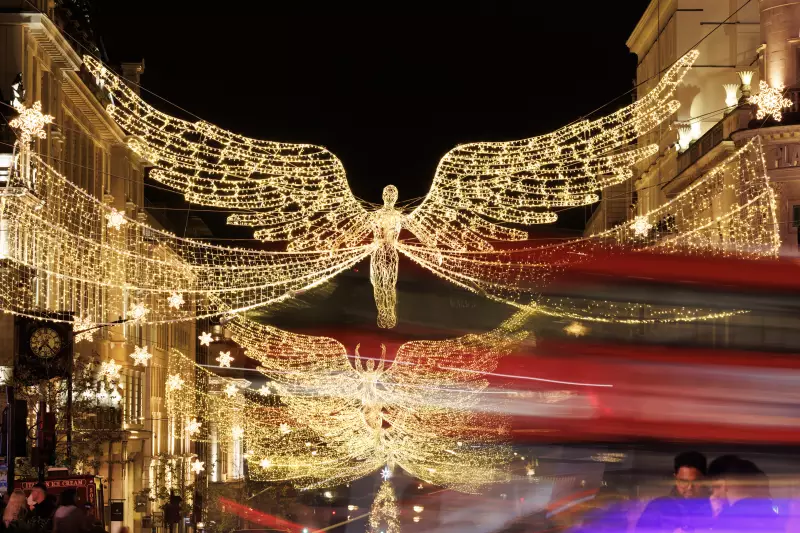
When the first Christmas illuminations flickered to life along Regent Street in 1954, they ignited more than just bulbs. They sparked a beloved tradition that, seventy years later, remains a cornerstone of London's festive identity and a powerful engine for its economic and social vitality.
An Economic Powerhouse Illuminated
The festive displays across London's West End are far from mere decoration. They are a critical driver of the seasonal spending surge that local retailers depend upon. The dazzling lights attract visitors who often turn their trip into a full day out, combining sightseeing with shopping, dining, theatre visits, and other festive activities.
This significant boost to footfall and spending is reflected in the New West End Company's (NWEC) forecast of 1.3 per cent year-on-year growth in festive spending for 2025. The impact was vividly demonstrated this season when Regent Street was transformed into a pedestrianised 'festive mile' for a day, leading to a 45 per cent year-on-year increase in footfall and an average 35 per cent rise in sales for retail and hospitality businesses.
Internationally, the lights burnish London's appeal as a global destination. Social media feeds filled with images of illuminated streets project the capital's festive charm worldwide, supporting tourism. NWEC anticipates international visitor spend to rise by 1.9 per cent this festive period, with inbound flights in November and December tracking 2.8 per cent higher than in 2024.
Weaving the Social Fabric of the City
Beyond the balance sheets, the lights have a profound, if less quantifiable, effect on London's community spirit and civic pride. They create shared destinations and reasons for people to gather, strengthening the social bonds within the city. These seasonal activations foster a sense of place and belonging that endures long after the decorations are packed away.
By transforming streets into experiential destinations, the lights highlight the irreplaceable role of physical spaces in an increasingly digital world. They turn Christmas shopping from a chore into a memorable event, something online retail cannot replicate. On Regent Street, brands leverage this atmosphere to build engaged communities through in-person experiences at their flagship stores.
A Lasting Legacy and Future Vision
For The Crown Estate, which first brought Christmas lights to London in the 1950s and installed Regent Street's iconic 'Spirits of Christmas' display a decade ago, this is both a seasonal commitment and a long-term vision. The recent success of the pedestrianised festive mile offers a glimpse of a more people-focused future for the West End.
Plans to more permanently pedestrianise parts of the area, like Regent Street St James's, could create opportunities for community-focused events throughout the year. The goal is to prioritise experience, inclusivity, and connectivity to shape vibrant public spaces that feel meaningful in every season, not just at Christmas.
Ultimately, London's Christmas lights illustrate a powerful synergy. They generate goodwill, bolster civic pride, support local businesses, enrich public spaces, and reinforce the capital's global reputation. While the lights themselves may only shine for a few weeks each winter, the economic uplift and community spirit they generate resonate deeply, providing a sparkle that lasts well into the new year.