
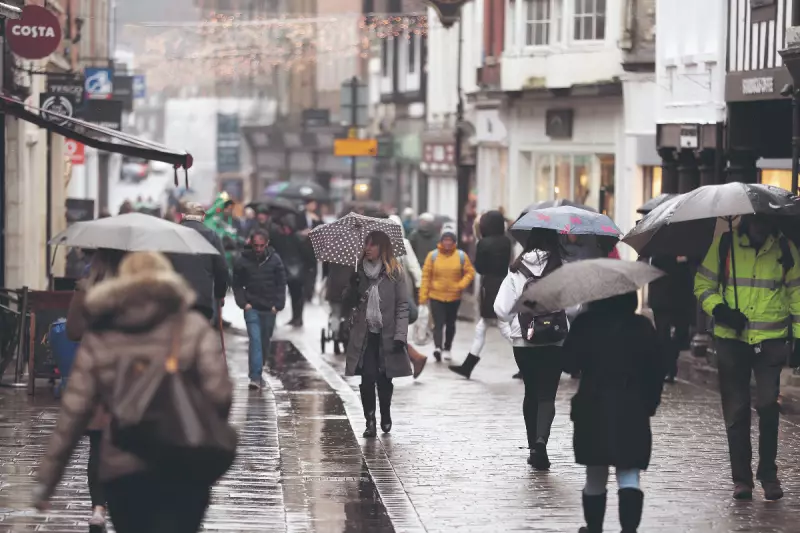
Chancellor Rachel Reeves is preparing a significant new tax initiative targeting the UK's high streets, with hotels and supermarkets set to bear the brunt of measures expected to raise over £20 billion.
The announcements, scheduled for the upcoming Budget, represent a major shift in fiscal policy that could impact both holidaymakers and shoppers across the nation.
Tourist Tax Expansion
In a move that could reshape local government funding, Rachel Reeves plans to grant mayors the authority to implement an overnight levy on hotel stays and rental accommodations. This policy would create new revenue streams for city authorities to invest in public services.
The initiative, reported by The Times, is expected to raise hundreds of millions of pounds and will be introduced through amendments to a devolution bill currently progressing through Parliament.
This approach already exists in Wales and Scotland, where authorities currently possess the power to set tourist levies. Several European cities including Venice, Barcelona and Paris have successfully implemented similar measures.
However, the proposal has faced significant opposition from industry representatives. UKHospitality has expressed concerns about the UK's competitive position, while prominent hotelier Sir Rocco Forte previously described such levies as "pernicious."
Sugar Tax Extension
Beyond the hospitality sector, the Chancellor is expected to expand the existing soft drinks levy to include milk-based products such as packaged coffee and milkshakes. The government conducted a consultation over the summer regarding this expansion, with a final decision anticipated at the Budget.
According to The Telegraph, the current levy of 18p for drinks containing 5g or more of sugar per 100ml will be extended to dairy products. The threshold may also be lowered to include beverages with 4g of sugar per 100ml.
This health-focused measure aims to encourage Britons to choose healthier options during their weekly shopping, potentially saving billions of pounds in NHS expenditure related to obesity.
Fiscal Pressures and Industry Concerns
The additional tax revenue would help address a £20 billion fiscal hole after reports indicated that plans to raise income taxes had been abandoned. However, relying on smaller tax hikes presents its own challenges.
The Office for Budget Responsibility (OBR) has noted that sin taxes, including levies on sugary drinks, can be volatile year to year. The forecasting body admitted it has frequently overestimated tax intake levels from such measures in its five-year projections.
These tax proposals mark a significant departure from Reeves' previously stated position, as she had reportedly opposed similar plans backed by former deputy prime minister Angela Rayner amid concerns about the impact on tourism and hospitality.
The coming Budget will reveal whether these controversial measures can balance the nation's books without damaging vital sectors of the UK economy.




