Confronting the Franklin: A Middle-Aged Adventurer's Test
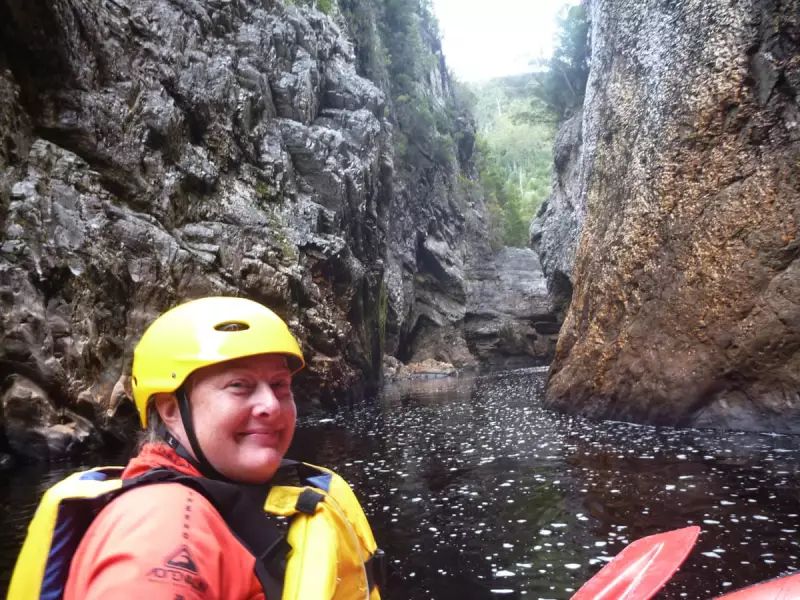
Stephanie Wood found herself questioning her decision as dawn broke on the second day of her Franklin River expedition. Shivering in a sleeping bag on a thin foam pad, surrounded by the sounds of a snoring stranger and the rushing Tasmanian waters, she confronted her reality: middle-aged, unfit, and utterly committed to seeing this through. The eight-day rafting journey through one of Australia's most formidable wilderness areas represented more than just adventure—it became a profound test of physical endurance and mental resilience.
From Childhood Freedom to Adult Rediscovery
The journey to the Franklin began decades earlier, when Wood's father took her to see environmental campaigner Bob Brown speak during the 1982 campaign to save the river from damming. "I was captivated," she recalls of that formative experience. Growing up in Queensland with a free-range childhood spent exploring creeks and waterfalls, she had gradually lost connection with that wilder self through years of city living, university education, and what she describes as "a silly degree of pretence and affectation."
When an image of the misty Franklin flashed across her social media feed years later, something stirred. With what she admits was barely a thought, she emailed the rafting company to ask if middle-aged women with average fitness and no paddling experience could manage their eight-day journey. Their affirmative response led to a clicked confirmation and her eventual presence on those pebbled river beaches.

The Daily Battles and Unexpected Triumphs
The physical challenges proved relentless. From scaling cliffs with an overloaded pack to the exhausting portages where teams chanted "One, two, three, pull!" to maneuver rafts through dangerous sections, every day demanded more than Wood believed she possessed. She faced the indignity of her wetsuit-clad appearance, the mortification of tumbling into logjammed whirlpools, and the constant comparison with fitter, more experienced companions.
Yet within these struggles emerged unexpected revelations. The terrifying river drops she had most dreaded became intoxicating fun park rides, teaching her that fine line between fear and thrill. While guides recounted harrowing tales of the river's merciless power—of seething cauldrons and deep holes that could trap a person for days—she learned to acknowledge these dangers without dwelling on them.
Rediscovering Strength in Wilderness Collaboration
As the expedition progressed through landmarks with ominous names like "Nasty Notch," "the Great Ravine," "the Corkscrew," and "Deception Gorge," something fundamental shifted. "I find myself too," Wood realized. The collaborative effort of negotiating wilderness challenges revealed that strength of mind could prove as valuable as strength of body. Each conquered rapid, each scaled cliff, each night spent under tarps strung between ancient trees rebuilt her confidence piece by piece.
A World of New Possibilities Revealed
The Franklin River journey culminated in more than just reaching the expedition's end. Wood emerged with a transformed perspective on her own capabilities and future possibilities. Where once she saw limitations of age and fitness, she now envisioned expeditions previously unconsidered: treks through Alaskan wilderness, pilgrimage walks across Japan, adventures in Costa Rican rainforests.
Most importantly, she rediscovered what truly mattered: the elemental experiences of wild places—streams tumbling over stones in rainforested gullies, mist layered on rivers at dawn, water roaring over boulders the size of houses, eagles dipping and soaring among trees born during the Roman empire. The moss, lichen, and ferns of her childhood kingdom had called her back, and she had answered.
Stephanie Wood's Franklin River expedition stands as testament to the transformative power of wilderness challenges. Through physical hardship, personal vulnerability, and collaborative effort, she discovered that she possessed strength for almost anything—and that sometimes, losing yourself in wild places is exactly how you find yourself again.