
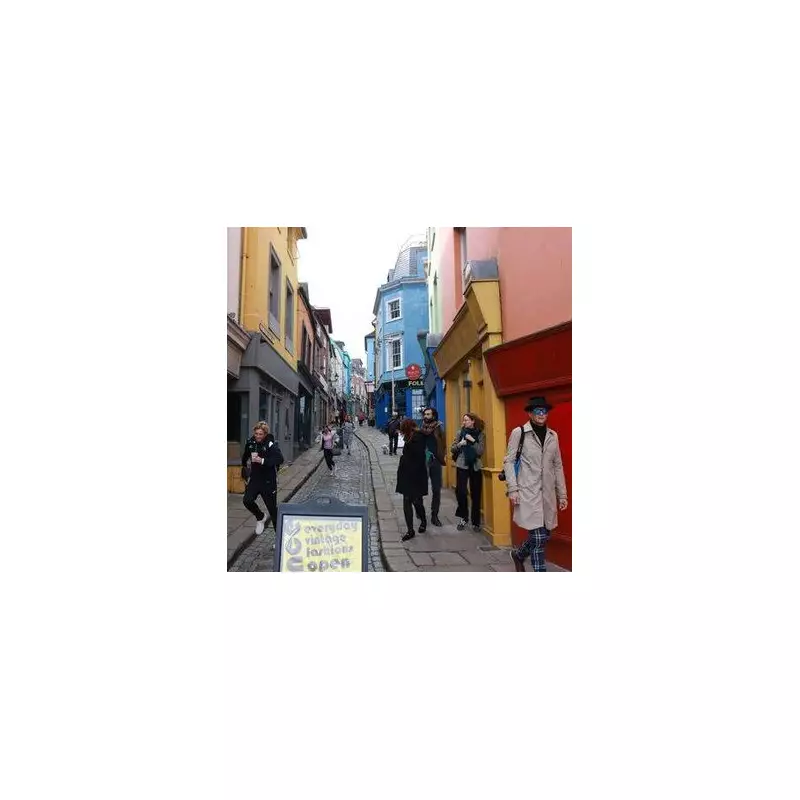
The charming coastal town of Folkestone in Kent has undergone a remarkable transformation, evolving from a neglected seaside destination into what many are calling the UK's coolest coastal hub.
From Decline to Renaissance
The town's fortunes took a significant downturn in the early 2000s when its ferry port closed, redirecting cross-channel travel to nearby Dover. Combined with the rising popularity of affordable foreign flights, Folkestone saw domestic tourism plummet, leaving its harbour and town centre as stark reminders of more prosperous times.
Businessman Sir Roger De Haan, whose father founded the holiday company Saga, witnessed this decline firsthand. He recently revealed that while his father had predicted the town's struggles, he would be "proud of what the town has transformed into today."
The £100 Million Transformation
The catalyst for Folkestone's dramatic revival came through a massive £100 million investment from Sir Roger's charitable foundation. This substantial funding enabled the purchase of buildings to help businesses establish themselves and spearheaded crucial community projects, including the Folkestone Academy secondary school.
Stepping in where public sector support fell short, the philanthropist's intervention has created a genuinely positive impact on the town's prospects. The regeneration has particularly flourished in the Creative Quarter located in Folkestone's hilly old town, where visitors now experience an atmosphere comparable to trendy corners of east London.
Gentrification Concerns and Community Impact
However, this economic redevelopment brings inevitable concerns about affordability and community displacement. Alice Cleaver, 29, manager of homewares outlet The Shop Next Door, expressed a sentiment felt by many younger residents: "It feels like we're not the ones that are supposed to be living here."
When questioned about whether local people risk being priced out by regeneration efforts, Sir Roger acknowledged that "one of the challenges with regeneration is that rents go up and house prices go up." He defended the increases, noting that "they needed to go up a bit because the housing stock in Folkestone was getting very, very rundown."
The businessman emphasised that the new seafront developments were built on brownfield sites without demolishing existing housing, and that the jobs created would benefit the local economy. "Some people say the houses we're building on the seafront aren't for them," he conceded. "But why should they be? You can't build houses for everyone."
As affluent individuals, including Londoners seeking a more tranquil lifestyle, continue relocating to Folkestone, the town faces the unavoidable challenge of becoming less affordable for those with limited financial resources. Yet many argue this is a necessary consequence to ensure Britain's coastal towns have a prosperous future.
Population shifts remain inevitable, but Folkestone's story demonstrates that with substantial investment and vision, even the most struggling seaside communities can reinvent themselves as vibrant, desirable destinations.




