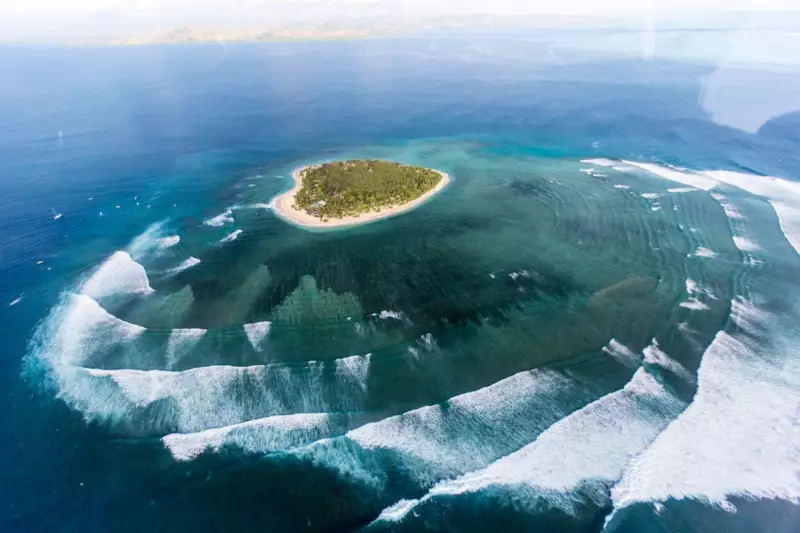
For generations, the Indigenous iTaukei people of Fiji have held a sacred connection to the sea, a bond sometimes physically symbolised by the burial of a newborn's umbilical cord, or vicovico, within the living reef. Yet, for decades, access to the nation's most prized oceanic treasures – its world-renowned surf breaks – has been a source of conflict, often excluding the very people who consider themselves its traditional custodians.
A Wave of Controversy and a Decree for Change
This tension crystallised at Cloudbreak, a legendary left-hand reef break whose perfect barrels have long lured surfers from across the globe. Until 2010, local Fijians were barred from surfing there due to an exclusivity deal with the high-end Tavarua Island Resort, a policy described by iTaukei surfer Ian Ravouvou Muller as "demeaning" and "shameful." The situation changed when the military government under Frank Bainimarama introduced a surfing decree, banning payments for reef use and voiding all exclusivity agreements. This opened the waves to all but simultaneously stripped away the customary marine rights, known as qoliqoli, of the iTaukei, cutting them out of tourism profits and decision-making.
The New Bill: Empowerment and Uncertainty
Now, a landmark legislative shift is underway. The Fijian government has introduced a bill to parliament aiming to return governance of these qoliqoli areas back to Indigenous groups. Deputy Prime Minister Viliame Gavoka stated the move would ensure "Indigenous communities are part of tourism in a big way," allowing them to be compensated for tourism operations on their traditional fishing grounds and reefs.
The potential impact is significant. Tourism contributes roughly 40% to Fiji's GDP, generating around FJ$2.5bn (US$1bn) last year, yet many iTaukei live in rural poverty. "The very people who looked after these reefs for generations have nothing at all," notes Indigenous economic development expert Dr Jekope Maiono.
However, the bill has sparked both celebration and concern. While hailed as a win for Indigenous rights, tourism operators express anxiety over a lack of practical detail. Fantasha Lockington, CEO of the Fiji Hotel and Tourism Association, has called for clarity on how it will affect leases and site accessibility. Environmental lawyer James Sloan warns of potential risks, including increased costs for tourists and inter-tribal disputes over custodial rights, but also acknowledges the bill could be "transformative and ambitious" if well-managed.
A Long History of Resistance and a Path to 'Surf Redemption'
Efforts to restore these rights have a fraught history, with a previous attempt in 2006 cited as a factor in Bainimarama's coup. Opposition has often been fuelled by hoteliers' fears that payments to tribes would cripple the tourism industry. Yet, Indigenous rights advocates like Usaia Gaunavou of the University of Fiji argue these fears are overstated, emphasising that the policy's core objective is iTaukei empowerment.
Consultation on the bill is ongoing and may take months. Tourism Fiji's CEO, Dr Paresh Pant, suggests a framework could include a "sustainability tax" levied at airports, aiming for a model that lifts all communities. For surfers like Ian Muller, this correction of historical wrongs is deeply personal. "People don't like the idea of paying for nature... but nature comes at a price. It needs to be protected," he says, viewing the legislation as a vital step towards "surf redemption" and respecting the ancestral way of life.