
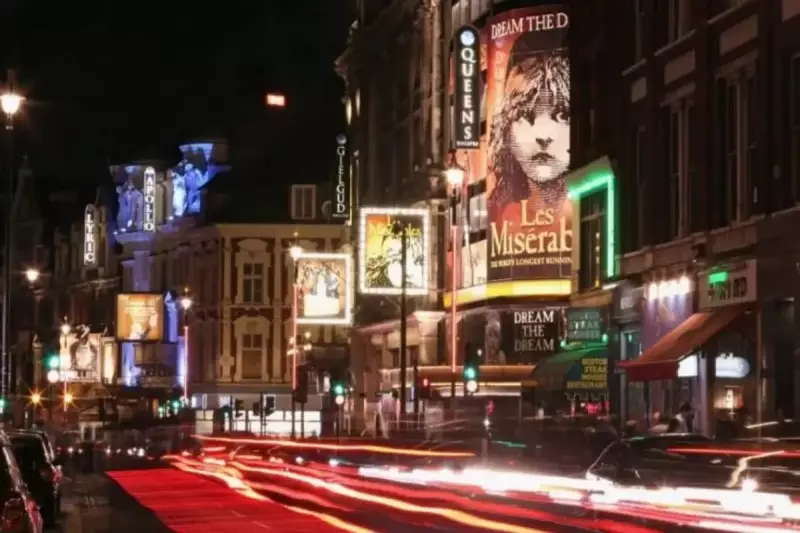
Chancellor Rachel Reeves is set to grant new powers to English mayors, allowing them to impose a tourist tax on visitors to fund local projects, a move that has ignited fierce debate.
Hospitality Industry Condemns 'Damaging' Policy
Through the English Devolution and Community Empowerment Bill, which is currently progressing through Parliament, mayors will gain the ability to levy a modest charge on tourists staying in hotels, bed and breakfasts, guest houses, and holiday lets.
This measure, championed by regional leaders including London Mayor Sir Sadiq Khan and Greater Manchester’s Andy Burnham, has been met with strong condemnation from the UK's hospitality sector.
Kate Nicholls, chair of UKHospitality, slammed the decision as a shocking U-turn. "The Government has gone back on its word and introduced a damaging holiday tax," she stated, highlighting that ministers had previously assured the House of Commons they had no plans for such a tax.
Nicholls warned that the cost would be passed directly to consumers, potentially costing the public up to £518 million in additional taxes and having severe knock-on effects for the wider industry. "It will drive inflation and undermine the Government’s aim to reduce the cost of living," she added.
Mayors Back Tax for Local Investment
Despite the criticism, government officials and supporting mayors argue the policy will bring English cities in line with major global destinations like New York, Paris, and Milan.
The Ministry of Housing, Communities and Local Government cited research indicating that reasonable fees have a minimal impact on visitor numbers.
Mayor of London, Sadiq Khan, called the levy "great news for London," stating that the extra funding would help cement the city's status as a top global tourism and business hub. With 89 million overnight stays in London during 2024, the tax could raise up to £240 million annually for the capital.
Khan pledged to work closely with the tourism and hospitality sectors to ensure the plans deliver maximum benefits for the city and its businesses.
Manchester's Andy Burnham echoed this sentiment, arguing the revenue would allow for vital investment in the infrastructure that visitors use.
A Divided Response Across England
However, the new power will not be universally adopted. Conservative Tees Valley mayor Lord Houchen firmly rejected the proposal.
"Thanks, but no thanks," he said. "There will be no tourist tax in Teesside, Darlington and Hartlepool for as long as I’m mayor."
This stark contrast in approach highlights the divisive nature of the policy, setting the stage for a postcode lottery of tourist taxes across England as local leaders choose whether to implement the charge.




