
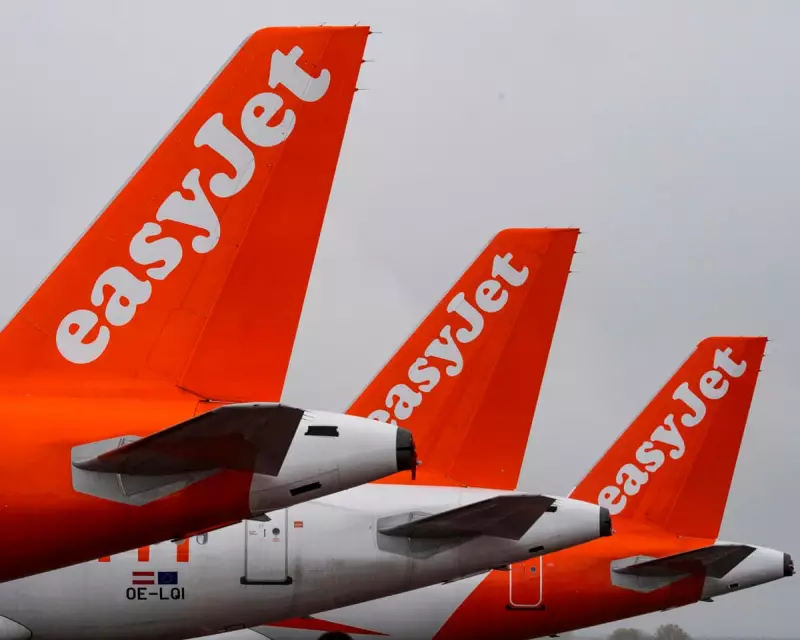
British budget airline EasyJet has announced a significant rise in annual profits, demonstrating remarkable resilience in the face of a challenging economic climate. The carrier's success has been largely powered by its package holidays division, where consumer demand for sun-drenched getaways has remained robust.
Holiday Division Powers Financial Performance
The company's headline pre-tax profit for the year ending 30 September increased by 9%, or £55 million, reaching a substantial £665 million. While the wider airline sector faced headwinds, it was the EasyJet Holidays arm that emerged as the star performer. This division welcomed 3.1 million customers, a notable 20% year-on-year increase, and achieved its profit target ahead of schedule with an impressive £250 million profit before tax.
Revenues for the holidays business surged by 27% to £1.4 billion. Analysts suggest this performance indicates that consumers view their family holidays as "almost sacrosanct", prioritising them despite broader financial pressures. The most sought-after package destinations were:
- Majorca
- Tenerife
- Costa Blanca
- Dalaman
- Lanzarote
To meet this demand, EasyJet Holidays raised its average selling price by 5% to £698 per break. The division has already sold 80% of its holiday packages for the first half of the new financial year, with prices continuing to rise.
Strategic Expansion and Fleet Investment
EasyJet is not resting on its laurels. The company is actively expanding its network, investing in longer leisure routes to destinations such as Cape Verde, Marrakech, Turkey, and Egypt. A significant part of this growth strategy involves establishing new operational bases.
The airline has already opened new bases at Milan Linate, Rome Fiumicino, and London Southend airports, with plans to launch two more next year: Newcastle in March and Marrakech in the summer, marking its first African base. This expansion is supported by a £50 million investment across these new locations.
Furthermore, the company is modernising its fleet, having taken delivery of nine new A320 family aircraft and repurchased a further eight leased jets. This move contributed to a 7% fall in fuel costs per available seat kilometre.
Ambitious Future Targets and Market Reaction
Buoyed by the early success of its holidays business, EasyJet has set ambitious new financial goals. The company is now targeting £450 million in profit for EasyJet Holidays by 2030, as part of a broader medium-term aim to achieve total group profits of £1 billion.
Kenton Jarvis, the EasyJet Chief Executive, stated, "Since setting our medium-term targets in 2023 we have made significant progress, delivering a 46% improvement in profit before tax. EasyJet holidays is today launching an even more ambitious goal, having achieved its target early."
Despite the positive results, the company's shares fell by 2% in early trading, reflecting the ongoing concerns about the "difficult" winter trading period for its core airline operations. For now, however, the story is one of strategic triumph, proving that even in uncertain times, the British public's appetite for a well-priced holiday remains undimmed.




