
Perched on Italy's Adriatic coast in the Emilia Romagna region, the seaside town of Rimini has long been a treasured holiday destination for Italians. For decades, its nine-mile stretch of golden sand has been a magnet for domestic travellers. However, this vibrant town is now shedding its reputation as a purely boisterous beach resort and is being discovered by international visitors for its profound cultural depth.
Uncovering Rimini's Historic Heart
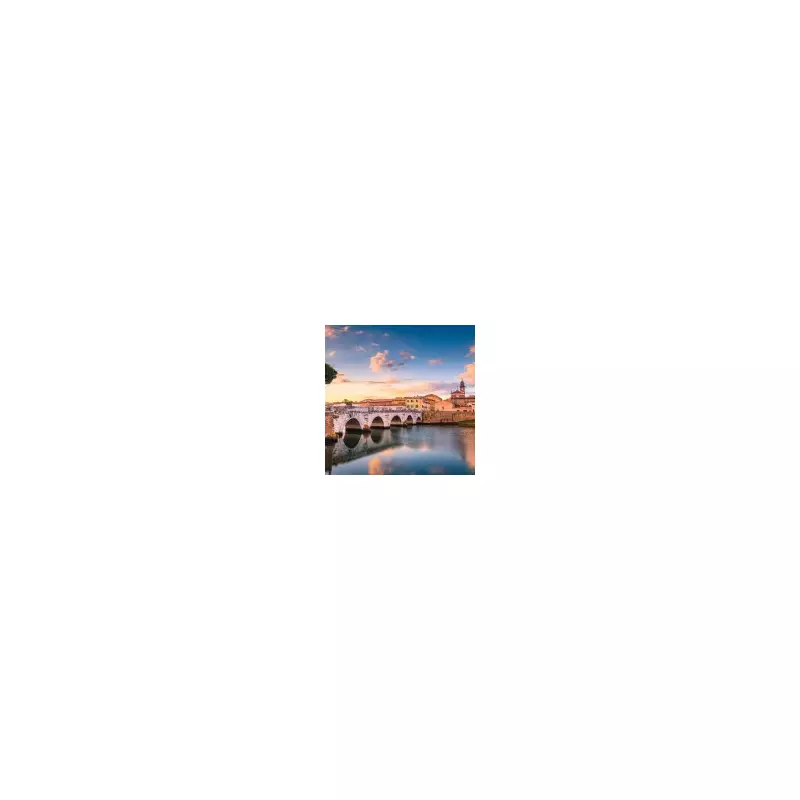
Beyond the parasols and sun loungers lies a town steeped in history dating back to 268BC when it was founded by the Romans. Exploring the historic centre reveals remarkable tokens from these early years. The Arch of Augustus once served as the gateway into Rimini, marking the end of the Rome-Rimini road. Meanwhile, the beautiful Ponte Di Tiberio remains remarkably intact despite being bombed during WWII – this 2,000-year-old limestone bridge leads from the old town into the pastel-coloured fisherman's hamlet of Borgo Santo Giuliano.
At Plaza Tre Martiri, the 13th-century Malatesta Temple showcases the town's transformation from the Gothic era to the Renaissance period. A distinguished marble doorway opens into the cathedral, where visitors find frescos, statues dedicated to patron saints, and canvas paintings spanning the walls.
The Colourful World of Borgo Santo Giuliano
Crossing the Ponte Di Tiberio reveals Rimini's most wonderfully flamboyant neighbourhood. After enjoying one of Rimini's famous piadina flatbreads stuffed with local ingredients like soft cheese and prosciutto, wandering the cobbled backstreets of Borgo Santo Giuliano becomes an experience in itself. Colourful cottages line the roads, accented with bursts of fuchsia bougainvillea and sweetly scented jasmine bushes.
What truly stands out are the many depictions of Rimini's homegrown superstar, film director Federico Fellini. Born here in 1920 and nominated for 12 Academy Awards, Fellini's legacy is celebrated throughout the neighbourhood and at the dedicated Fellini Museum around the corner at Castel Sismondo.
The neighbourhood's culinary offerings match its visual appeal. Augusta's fish risotto 'done the Rimini way' comes highly recommended, while the succulent pasta parcels filled with ragu at Osterio io e Simone represent another top choice for food enthusiasts.
Venturing Beyond the Coastline
A short journey southwest of Rimini leads to the slopes of Pennabilli township, where Michelin-starred bistro Il Pistarino awaits in a manicured private garden. Visiting during truffle season proves particularly rewarding, with dishes generously topped with black truffle shavings sourced from the nearby hilltop village of Sant'Agata Feltria.
Restaurateur Riccardo Agostini explains his philosophy: 'My approach centres on offering a cuisine that is thoughtful and contemporary, yet deeply rooted in the local territory. Vegetables, fruits, berries, flowers – whatever nature offers, I let it lead my dishes.'
The Mediterranean climate ensures abundant seasonal ingredients, including prize-winning grapes. At Podere dell'Angelo winery, visitors can taste signature Rebola and Sangiovese wines accompanied by homemade cheese, salami and chorizo – a staple of their cellar door experience.
A final day spent cycling along the promenade parallel to Rimini's coastline, enjoying a piadina stuffed with pecorino cheese and salami from family-owned Lella al Mare, provides the perfect conclusion to experiencing this Italian treasure as the locals do.
With affordable direct flights from the UK available from April, and standard rooms in beachfront four-star hotels available from £100 per night during November, there's never been a better time to discover the Rimini that exists beyond the beach.




