
While millions flock to Italy's famous cities each year, the country's true treasures often lie in its lesser-known corners, where ancient history meets authentic local life without the tourist crowds.
Medieval Marvels and Mountain Escapes
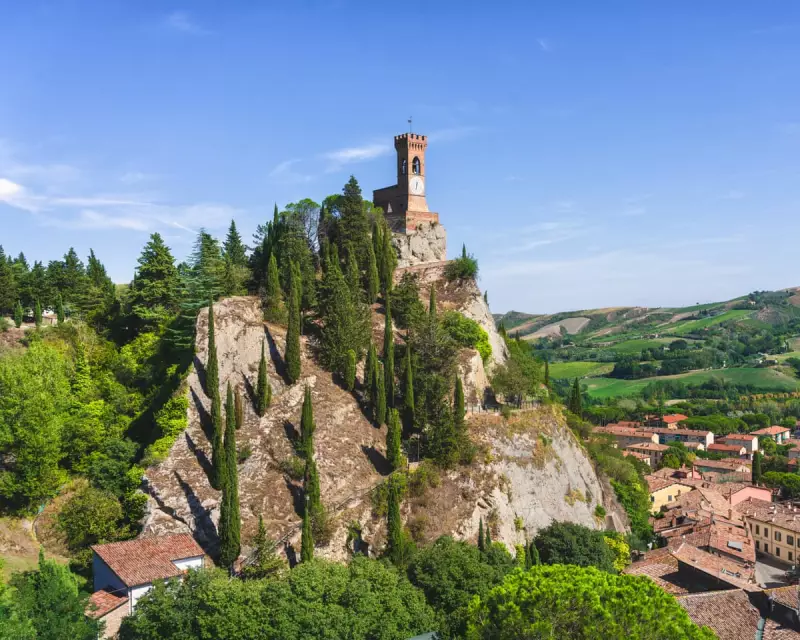
Brisighella in Emilia-Romagna offers visitors the sensation of stepping directly into a Renaissance painting. The town's dramatic rocky hills feature solitary trees perched precariously and mysterious towers that stand with what can only be described as solitary self-possession, leaving visitors to ponder the centuries of history they've witnessed.
The town serves as an ideal base for exploring the region's remarkably beautiful scenery, while its own medieval alleyways and unique elevated path provide private nooks from which to absorb the town's distinctive charm.
Sicilian Secrets and Basilicata's Untouched Beauty
For those seeking true isolation, the Via dei Frati walking route from Caltanissetta to Cefalù across Sicily's Madonie mountains offers 54 miles of sublime views without encountering other walkers or tourists. The journey concludes each day in beautiful Sicilian villages like Gangi, where despite no English being spoken, communication never presents a problem.
Further south, Basilicata's Venosa – birthplace of Roman poet Horace – presents extensive Roman ruins, ancient Jewish catacombs, and a breathtaking castle in a town that was once a major centre but now exists as a remote treasure. The local food and wine receives particular praise from visitors.
Nearby attractions including castles at Melfi and Lagopesole and the ducal palace at Pietragalla would be internationally famous if located in more tourist-heavy regions, but here they remain wonderfully accessible.
Eco Retreats and Historic Treasures
For those seeking complete disconnection, Mulino delle Cortine eco hotel deep in the Apennines east of Florence offers cartoonish peacefulness. Accessed via a three-mile dirt track, the hotel features a shaded river swimming pool reached by climbing down a rope into the riverbed, numerous hiking trails, and absolutely no phone reception.
The experience is complemented by rustic plates of pasta, regional cheeses and meats, and cheesecakes served slowly under planetarium skies.
In Friuli-Venezia Giulia, the UNESCO World Heritage site of Cividale delivers authentic Italian charm with its Roman roots and exquisite eighth-century Tempietto Longobardo built by the Lombards. Visitors can wander cobblestone streets, cross the Devil's Bridge, and soak in views of the emerald Natisone River while enjoying family-run trattorias and local wines.
Chioggia, located just 16 miles south of Venice, offers what the famous city must have looked like in earlier times, complete with canals and narrow alleys but without the crowds. The town boasts an important Museum of Adriatic Zoology, beaches, a fort, and medieval architecture, yet remains unknown to most tourists.
Gourmet Experiences and Roman Remains
Food enthusiasts will find paradise in Piedmont's Loazzolo, home to magnificent sweet wines and classic sparkling wines. The mountain villages become particularly breathtaking in autumn when the landscape transforms into various hues of reds, yellows and greens. With truffles, porcini mushrooms and hazelnuts adding to the culinary feast, this area remains surprisingly overlooked by non-Italian visitors despite its proximity to the famous vineyards of Barolo and beautiful towns of Asti and Alba.
For history lovers, the archaeological park at Urbs Salvia in the Marche region south of Ancona offers perfectly preserved Roman remains including a theatre, temple dedicated to Augusta, and amphitheatre – all enjoyed without the crowds of Rome or Pompeii.
These hidden gems represent just a fraction of Italy's undiscovered treasures, proving that beyond the well-trodden tourist paths lies a country rich with authentic experiences waiting to be explored by discerning travellers seeking something beyond the ordinary.




